Celebrity Boxing Betting: Influencer Fights and Crossover Odds
 Available in US

Anthony Joshua earned approximately £137 million for fighting Jake Paul in December 2025. Let that figure sink in. A former two-time unified heavyweight champion, one of Britain’s most accomplished boxers of his generation, collected a career-best payday against a YouTuber. When Joshua addressed his motivation for taking the fight, he was remarkably candid: “For me, it was more about the opportunity. I had to showcase my skills to the world. It’s not even my biggest payday; it’s not about money.”
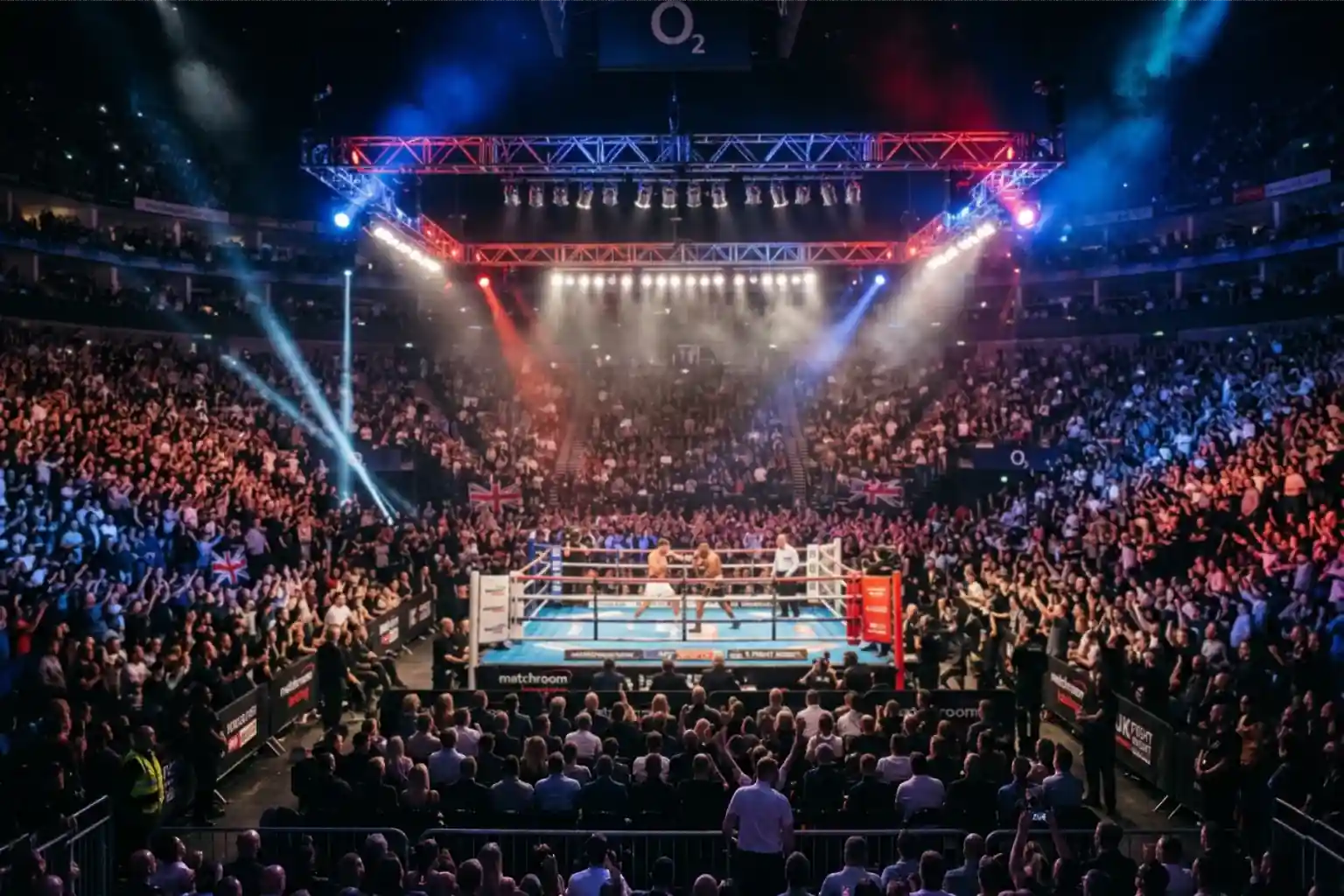
Whether you believe that last claim or not, the celebrity boxing phenomenon has reached mainstream acceptance. These crossover events generate enormous betting interest precisely because they attract audiences who normally ignore boxing entirely. The challenge for serious bettors lies in handicapping contests where traditional analytical frameworks may not apply and data scarcity creates genuine uncertainty.
This article examines the unique challenges of celebrity boxing betting, offers a framework for analysing crossover fights despite limited information, and considers which markets make sense when the usual rules seem suspended.
Celebrity Boxing Challenges: Analyzing Limited Fight Data
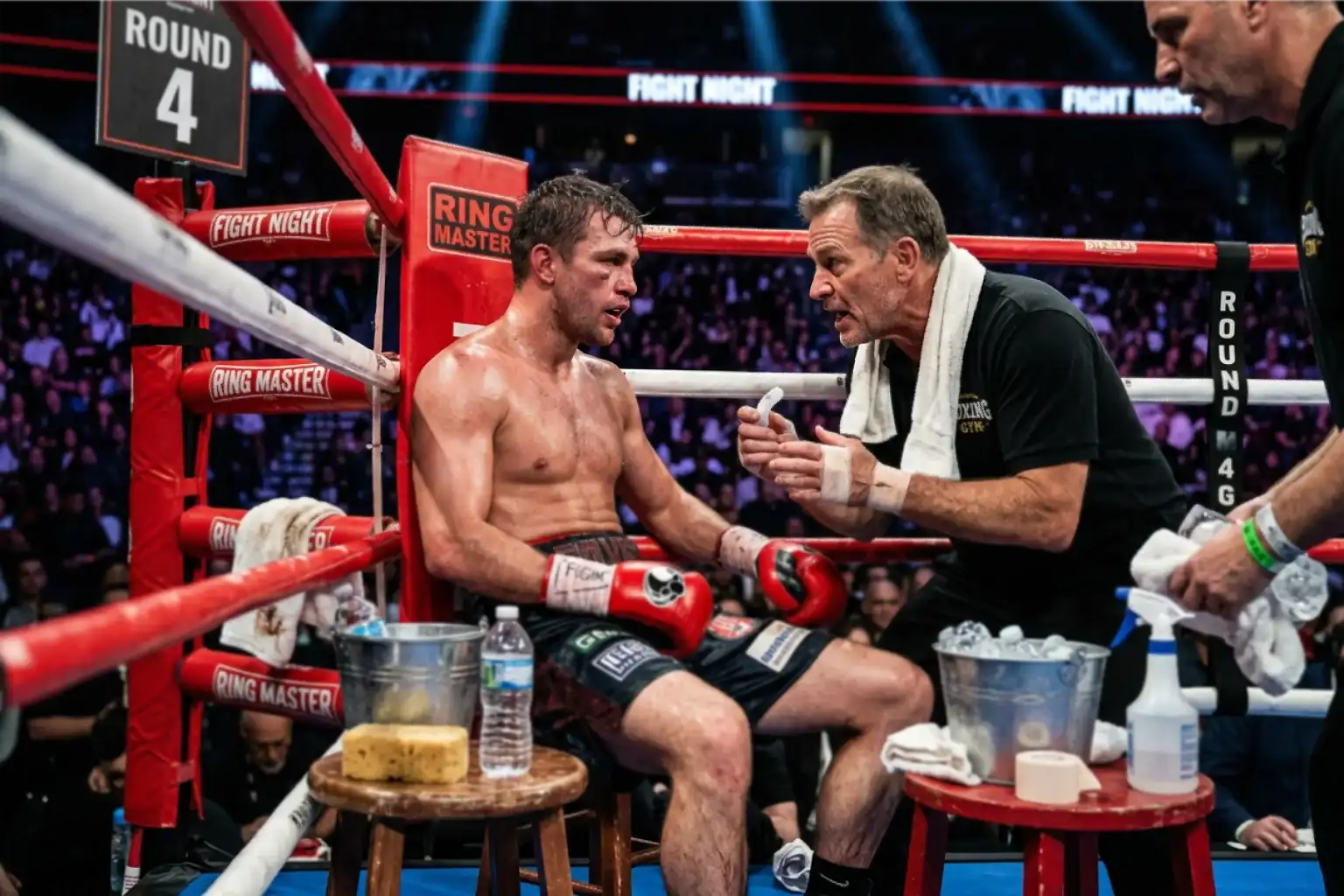
The fundamental problem with celebrity boxing analysis is sample size. A professional boxer accumulating a thirty-fight record provides extensive data: stoppage patterns, performance against different styles, behaviour under pressure, conditioning across twelve rounds. A celebrity fighter entering their fourth or fifth bout offers almost nothing comparable. How do you handicap someone who has competed fewer times than a typical prospect?
Motivation introduces another variable that professional boxing usually simplifies. When two career fighters meet, both genuinely want to win. Their livelihoods, rankings, and legacies depend on outcomes. Celebrity fighters operate with different incentive structures. Some genuinely want to prove themselves; others primarily want to survive respectably. Joshua’s claim about showcasing skills rather than collecting money might be sincere or might be promotional positioning. Either way, assessing motivation in crossover fights requires guesswork that professional matchups rarely demand.
Rules variations complicate comparisons further. Celebrity bouts sometimes feature larger gloves that reduce knockout probability. Round lengths might differ from professional standards. Some contests are announced as exhibitions where official decisions are not rendered. When evaluating celebrity fight odds, verify the specific rules governing the bout because they materially affect outcome probabilities.
The distinction between exhibition and sanctioned matters enormously. Exhibition matches often carry implicit or explicit expectations that both competitors emerge looking respectable. Sanctioned bouts with official results create genuine competitive stakes. When a celebrity faces a professional in a sanctioned match, the professional typically dominates. When the same matchup occurs under exhibition rules, the dynamic shifts toward entertainment value over competitive authenticity.
How to Analyse Crossover Fight Value
Athletic background provides the sturdiest foundation for crossover analysis. Fighters who competed seriously in other combat sports – collegiate wrestling, kickboxing, mixed martial arts – bring transferable skills. Those whose athleticism developed in non-combat contexts start further behind regardless of training investment. A former American football player adapts to fighting differently than a former basketball player, and both adapt differently than someone whose prior athletic experience was gaming.
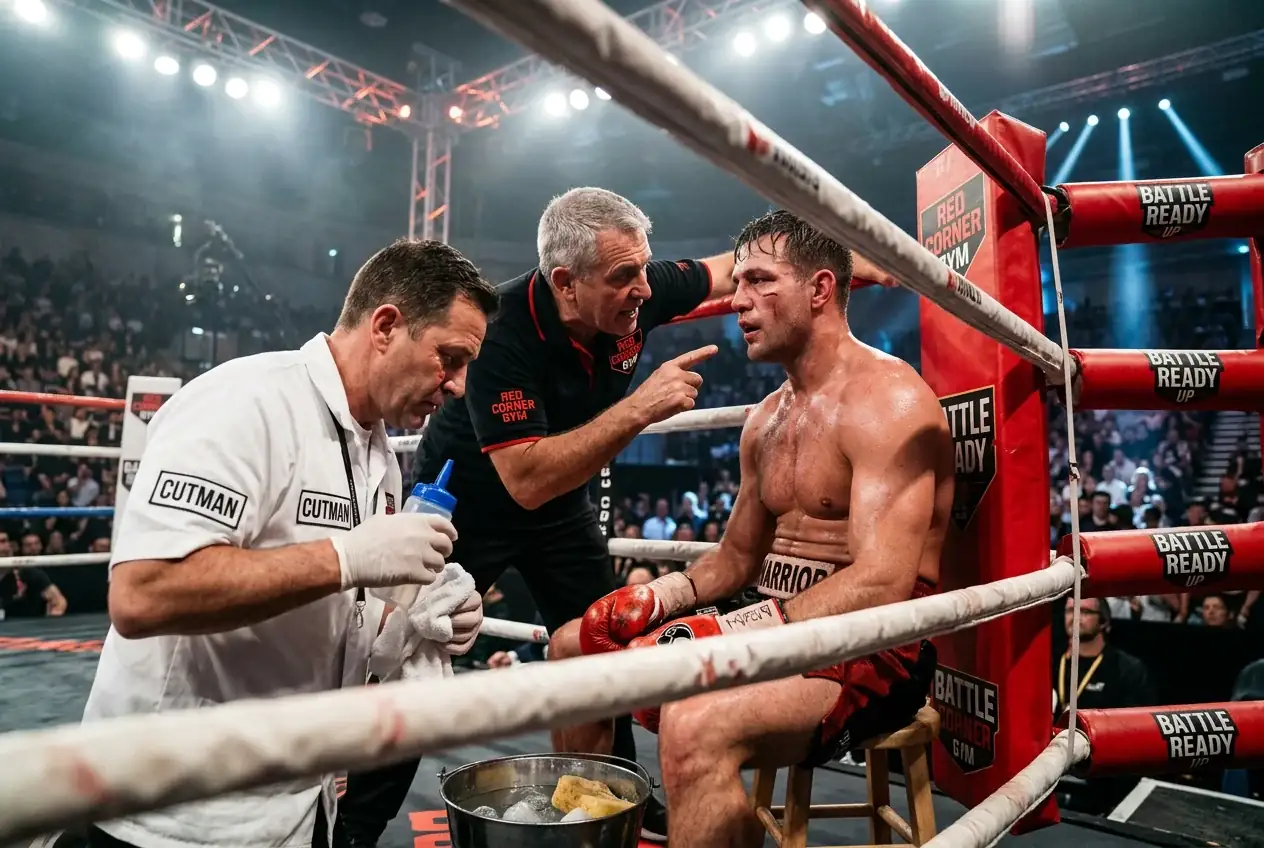
Training footage analysis becomes crucial when fight history is limited. Celebrity fighters often share camp content across social media platforms, providing glimpses of their preparation. Evaluate this footage sceptically – edited highlights show best moments, not representative samples – but look for technical markers. Does the fighter maintain balance while throwing combinations? Do they show head movement and defensive awareness? Can they maintain form under fatigue? These observations substitute imperfectly for fight data but beat pure speculation.
Promoter incentives shape celebrity boxing more transparently than professional matchmaking. Promoters want compelling content that drives pay-per-view purchases and generates cultural conversation. Mismatches that end quickly serve nobody’s interests. This dynamic does not mean fights are predetermined, but it does mean matchmaking considers entertainment value alongside competitive logic. Understanding what promoters want from an event helps you anticipate how they have constructed it.
Public versus sharp money splits reveal market sentiment more clearly in celebrity fights than in professional boxing. Celebrity events attract enormous casual betting volume, which tends toward favourites and recognisable names. When you see odds movement suggesting professional money disagrees with public positioning, that divergence warrants attention. The strategic principles of identifying value apply here as everywhere, but celebrity fights amplify the signal.
Available Markets for Celebrity Fights
Fight winner markets for celebrity bouts typically offer only two-way betting without the draw option. This reflects both the exhibition nature of many events and bookmaker recognition that celebrity fights produce clear outcomes more often than competitive professional boxing. When draws are offered, the prices are usually longer than professional boxing norms, reflecting decreased probability of evenly matched outcomes.
Method of victory options often appear truncated compared to professional cards. Bookmakers may offer only KO/TKO versus Decision rather than the granular breakdowns available for championship fights. This limitation reflects both the uncertainty inherent in celebrity matchups and reduced betting liquidity that makes maintaining extensive markets impractical.
Round betting frequently disappears entirely from celebrity fight menus. The unpredictability of these contests makes round-by-round pricing extraordinarily difficult. When round markets do appear, expect wider margins than professional boxing as bookmakers protect themselves against outcomes they cannot confidently model.
Celebrity-specific proposition bets sometimes emerge for major events. Will there be a knockdown? Will both fighters survive the fight? Will the fight go past a certain round? These props can offer value when you have formed views about how the fight unfolds even without confidence in the ultimate outcome. A fighter might be unlikely to win but likely to land at least one knockdown against an opponent with defensive limitations.
When to Bet and When to Watch
My honest assessment of celebrity boxing betting: the entertainment often exceeds the betting value. The unique challenges I have outlined – data scarcity, motivation uncertainty, rules variations – create handicapping difficulty that does not exist in professional matchups. Unless you identify genuine edge through diligent analysis, watching without wagering represents a defensible choice.
When I do bet celebrity boxing, I focus on clear mismatches where professional fighters face entertainers in sanctioned competition. The Joshua-Paul fight illustrated how massive the skill gap remains even when celebrities have trained seriously. If a similar setup emerges – legitimate professional against celebrity, official rules, sanctioned result – the professional typically offers value regardless of how short the price appears.
The celebrity boxing phenomenon shows no signs of retreating. If anything, the financial success of recent events encourages more crossover matchups. Learning to navigate this strange corner of the sport adds a tool to your betting arsenal even if you deploy it rarely. Just maintain appropriate humility about what you can confidently assess when the usual information sources simply do not exist.
Created by the ”box bet” editorial team.