Live Boxing Betting: In-Play Odds and Wagering Tactics
 Available in US
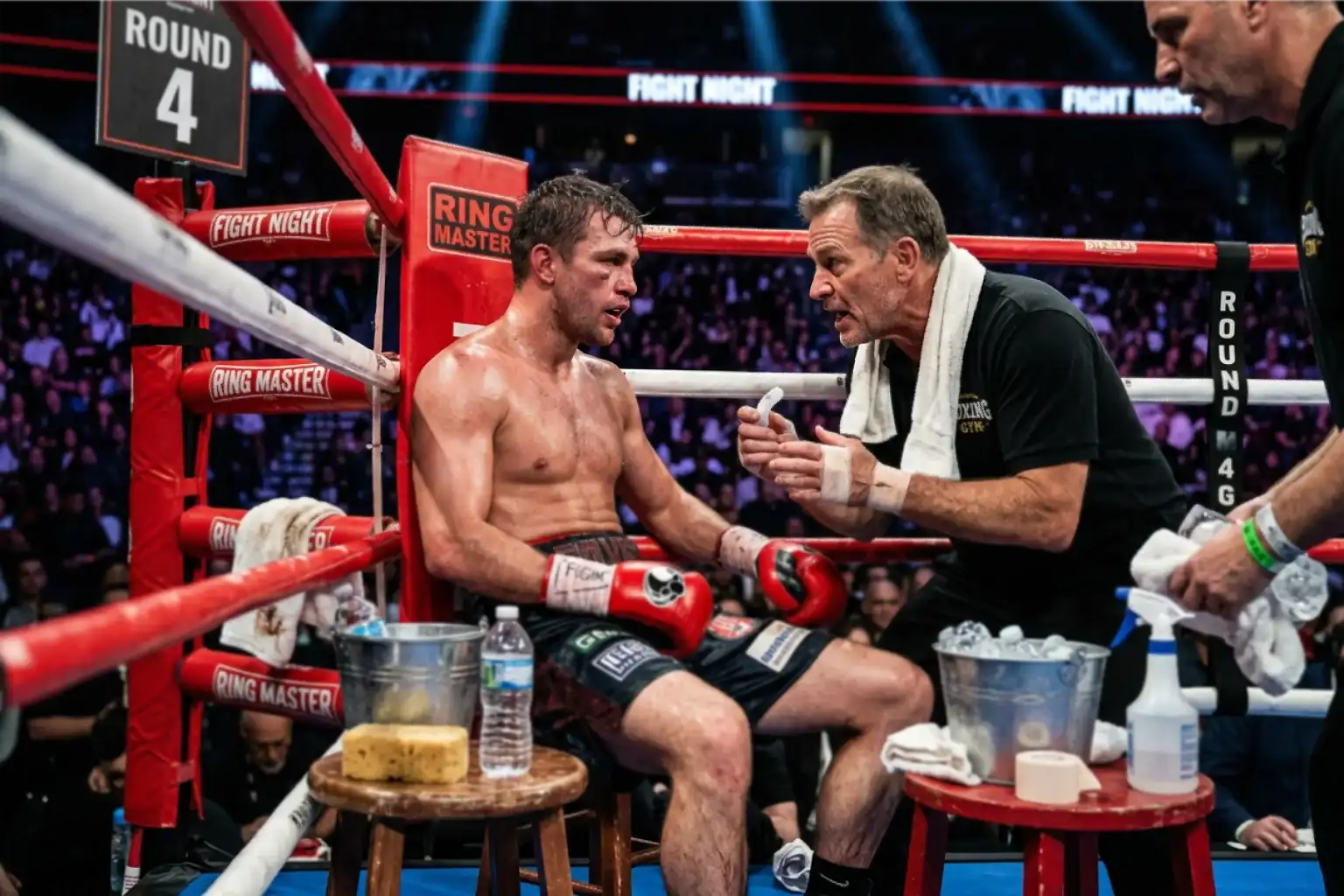
Round four changed everything. I had backed the favourite before the opening bell, watched him lose three rounds to a sharper opponent, and felt sick seeing my stake evaporate in real time. Then the underdog caught a body shot that folded him. The favourite pounced. Stoppage. My pre-fight bet won, but I learned something crucial: what I saw during those first three rounds told a different story than the odds I had accepted beforehand.
Live boxing betting exists for moments exactly like that. The UK processes roughly 290 million online bets every month, and an increasing share comes from in-play markets where punters react to what they see rather than what they predicted. Boxing is particularly suited to this format because the sport pauses between rounds, creating natural windows for reassessment and action.
This guide covers everything you need to bet intelligently during a fight. Reading momentum, understanding when odds shift, managing the unique risks of live wagering, and choosing the right platform for real-time action. If you are still building your foundational knowledge of boxing betting in the UK, start there first. What follows assumes you already understand markets and odds; now we are applying that knowledge under pressure.
Live Boxing Betting Mechanics: Real-Time Odds
Unlike football or tennis where action rarely stops, boxing delivers sixty to ninety seconds between rounds for fighters to recover and bettors to act. These intervals are your windows. Markets open as the bell sounds, close as the next round begins, and odds adjust based on what just happened in the ring.
Most UK bookmakers suspend betting during active rounds. The action is too fast, the potential for information asymmetry too high. A knockdown might occur before odds can adjust, creating unfair advantage for those with faster streams. Between-round betting eliminates this problem by giving everyone the same information at the same moment.
Technical requirements matter more for live betting than pre-fight wagering. A stable internet connection prevents bets failing to place during short windows. Live streaming — offered by many major operators — lets you watch the fight directly through the betting platform, minimising delay between what you see and what the market reflects. Mobile apps generally perform faster than browser-based platforms for bet execution.
Cash out options become particularly valuable during live betting. When wagering in-play, knowing exactly when to cash out your boxing bets can save your bankroll from unexpected late-round knockouts. If the fight is going differently than expected, you can lock in partial profit or cut losses before the final bell. Cash out values fluctuate with live odds, so understanding when to take early money versus letting positions ride is itself a skill.
The practical mechanics are straightforward: the bell sounds to end a round, you have roughly one minute to assess what happened and decide whether to act, and then the next round begins with betting suspended again. Twelve-round fights offer eleven betting windows between rounds, plus sometimes pre-fight and post-fight markets. That sounds like ample opportunity, but the constraint is mental bandwidth. Processing what you saw, comparing it to your expectations, identifying value, and executing a bet within sixty seconds demands preparation and focus.
Available Markets Between Rounds
Not every market from pre-fight carries into live betting. Fight winner almost always remains available, updating after each round to reflect new probability assessments. Over/under rounds typically stays open until the line is passed. Some bookmakers offer next round stoppage props or adjusted method of victory markets.
Market depth varies significantly by operator and fight importance. A heavyweight world title fight might feature fifteen in-play markets between rounds. An undercard bout might offer only winner and over/under. Check what your bookmaker provides for specific events before assuming options will be available.
The reduced market availability during live betting actually simplifies decision-making. You are focused on the core questions: who is winning, how might it end, and has the fight deviated from pre-fight expectations enough to warrant action?
Reading Fight Momentum in Real Time
The first time I noticed a fighter’s legs wobble slightly on a pivot, his odds sat at 4/5. Two rounds later, after the wobble became visible to everyone, he was 6/4 underdog. That window — between noticing and odds adjusting — is where live betting profits live.
Reading a fight in real time requires watching differently than you would for entertainment. You are not hoping for excitement; you are hunting for information that has not yet been priced into the market.
Visual Indicators and Body Language
Feet tell more than faces. A fighter whose footwork deteriorates is either tired or hurt, regardless of what his expression suggests. Watch for shorter steps, flat-footed positioning, and reduced lateral movement. These signs often precede visible damage by one or two rounds.
Breathing patterns between rounds reveal conditioning. Heavy breathing into round four suggests the fighter paced poorly or underestimated his opponent’s pressure. A calm, controlled fighter sitting on his stool while his opponent gasps is winning a battle the scorecards might not yet reflect.
Corner activity provides clues. Trainers screaming instructions often indicate frustration with execution. Ice applied to specific spots hints at damage not yet visible on broadcast. A corner calling for more aggression might be signalling that their fighter is losing rounds he needs to take back.
Head movement and defensive reactions degrade under fatigue and accumulation. A fighter who slipped punches cleanly in round one but starts eating shots by round six is trending badly regardless of punch statistics. The eye test matters.
Using Punch Statistics During the Fight
Broadcasters increasingly display CompuBox or equivalent statistics during fights. Punches landed, accuracy percentages, power shots connected — these numbers update round by round and provide objective measures of what both eyes might miss.
However, punch statistics require context. Landing more punches does not automatically mean winning rounds if those punches lack impact. Judges score effective aggression and ring generalship alongside clean punching. A fighter landing 30% but controlling distance and dictating pace might outscore someone connecting at 40% but chasing wildly.
Where statistics help most is confirming visual impressions. If you believe Fighter A is dominating but the stats show Fighter B landing more power shots, your perception might be wrong. Reconcile what you see with what the numbers show; when they align, confidence in your read increases.
Live Market Strategies Round by Round
Each phase of a fight offers different betting opportunities. The information available changes, the odds respond to accumulated evidence, and the strategic considerations shift accordingly.
Rounds 1-3: The Feeling-Out Phase
Early rounds rarely tell the complete story. Fighters test distance, probe defences, and avoid committing to big shots before understanding their opponent’s timing. Betting aggressively based on round one is usually a mistake unless something dramatic occurs.
What to watch: who is establishing range, whose jab is landing, who looks physically imposing up close. These early indicators hint at how later rounds might unfold. A fighter who cannot find distance against a longer opponent will struggle all night. A fighter who looks undersized inside suggests the fight might drift to the outside where his disadvantage is maximised.
The value play in early rounds is often patience. Wait for others to overreact to limited information. If a heavy favourite loses round one to a busy underdog, the odds might shift more than justified. Recency bias hits hard when bettors panic.
Rounds 4-6: Patterns Emerge
By round four, styles are clear. You know who wants to fight inside, who is trying to box at range, whose power is real, and whose chin is suspect. Method of victory bets become more informed because you have seen both fighters under genuine pressure.
This middle phase often reveals conditioning differences. A fighter who threw heavily in early rounds might start fading. A slow starter who weathered early pressure might be taking over. Watch for shifts in punch output and ring control.
If you identified a method of victory pre-fight and four rounds confirm that read, adding to your position at improved odds makes sense. If the fight is unfolding entirely differently, reassess rather than doubling down on a busted thesis.
Rounds 7-9: The Fatigue Factor
Championship-level fitness separates fighters in these rounds. Someone who looked dominant early might have emptied the tank. Someone who survived early storms might now be fresher and pushing forward.
Knockout probability often peaks during this phase. Tired fighters cannot protect themselves as well. Accumulated damage compounds. A fighter who was catching everything clean in round two starts getting hit in round eight. Gervonta Davis carries a 90.3% knockout rate partly because he finds openings when opponents fatigue.
If you are live betting a fight where the favourite started slowly but is now taking over, round 7-9 represents the value window before the market fully adjusts. The favourite’s pre-fight odds might have been 1/3; after losing early rounds, they drifted to even money; now that he is clearly winning, they should shorten again.
Rounds 10-12: Championship Rounds
Everything that happens now counts most. Judges remember late rounds better than early ones. A close fight heading into championship rounds is genuinely uncertain regardless of who you think is ahead.
Two scenarios dominate late-fight betting. First, the fight is clearly one-sided and the only question is whether the leader will stop his opponent or coast to decision. Second, the fight is close and either man could steal it with a strong finish.
In the first scenario, under bets become interesting if the leader has shown finishing instincts. In the second, the fighter with more power often offers value because a single clean shot can render scorecards irrelevant.
When and Why Live Odds Shift
Understanding what moves lines helps you anticipate rather than chase. Some events trigger massive shifts; others barely register. Knowing the difference lets you act before the market catches up.
The Knockdown Effect
Nothing moves boxing odds faster than a knockdown. The fighter who was floored sees his odds lengthen immediately, often dramatically. A 1/2 favourite might drift to 6/4 or longer after hitting the canvas, even if he rises quickly and looks unhurt.
This creates opportunity in both directions. If the knockdown was a flash and the dropped fighter recovered fully, his new odds might represent value. Alternatively, if the knockdown exposed a genuine vulnerability, the new odds might still be too short because the market has not fully processed the damage.
Watch how the dropped fighter responds in the next round. Does he hold and survive, or does he engage trying to prove he is unhurt? The former suggests caution; the latter often suggests desperation. Either way, your read on the knockdown’s significance should drive your betting response.
Cuts, Injuries, and Swelling
A bad cut above the eye can end a fight at any moment. Even if the fighter is winning clearly, a doctor’s stoppage erases all that work. When you see significant blood, the fight becomes a race between the cut fighter finishing his opponent and the ringside physician deciding the risk is too high.
Odds should adjust for cut fighters, but markets sometimes underreact. A fighter ahead by four rounds with a gaping cut above his eye is not a safe bet even at short odds. The method of victory might shift from decision to TKO (corner or doctor stoppage) rather than KO.
Swelling affects performance even when it does not threaten stoppage. A swollen eye limits vision on that side, creating angles for opponents to exploit. Watch how the affected fighter adjusts — or fails to adjust — and factor that into your live reads.
Live Betting Risks and How to Manage Them
A mate of mine blew through two months of profits in a single night of live betting. He chased losses after a bad first half, doubled down when his fighter got dropped, and spiralled into desperation bets that had nothing to do with analysis. The speed of live betting enables discipline failures that slower markets would prevent.
Impulsivity is the core risk. Decisions made in sixty-second windows between rounds do not receive the same scrutiny as pre-fight bets you research for days. The 25-34 age group shows the highest rates of problematic gambling behaviour, and that demographic overlaps heavily with live betting adoption. The format rewards quick thinking but punishes reactive emotion.
Streaming delay creates subtle danger. Your broadcast might run three to ten seconds behind actual events. A knockdown might occur before your stream shows it, meaning you place bets on outdated information. Some bettors exploit this lag by accessing faster feeds. If your stream lags significantly, you are at a disadvantage regardless of how well you read the fight.
Tilt after knockdowns destroys bankrolls. Your pre-fight bet looks dead after your fighter gets dropped, so you panic-bet his opponent to “hedge” at terrible odds. Or you chase by loading up on your original pick at inflated odds, convincing yourself he will recover. Both responses typically lose money. Pre-set rules help: decide before the fight what circumstances would trigger a live bet and stick to that plan.
Stake limits for live betting should be lower than pre-fight limits. The faster decision pace means more opportunities for error. Keeping individual bet sizes modest prevents any single live wager from damaging your bankroll materially. I personally cap live bets at half my standard unit size, which forces discipline when adrenaline pushes toward larger stakes.
Alcohol and live betting mix poorly. The combination of lowered inhibitions and rapid decision windows leads to regrettable wagers. If you are watching fights socially with drinks, either decide beforehand not to bet live or give yourself an ironclad spending limit before the first round.
Finally, know when not to bet live. If you missed significant action, do not guess about what happened. If the fight is confusing and you cannot read the momentum, stepping back costs nothing. The market will still exist for the next fight.
Which Bookmakers Offer the Best Live Boxing Experience
The Gambling Commission licenses 2,262 operators to serve UK bettors, but not all of them treat boxing equally. For live betting specifically, platform differences matter more than they do for pre-fight markets.
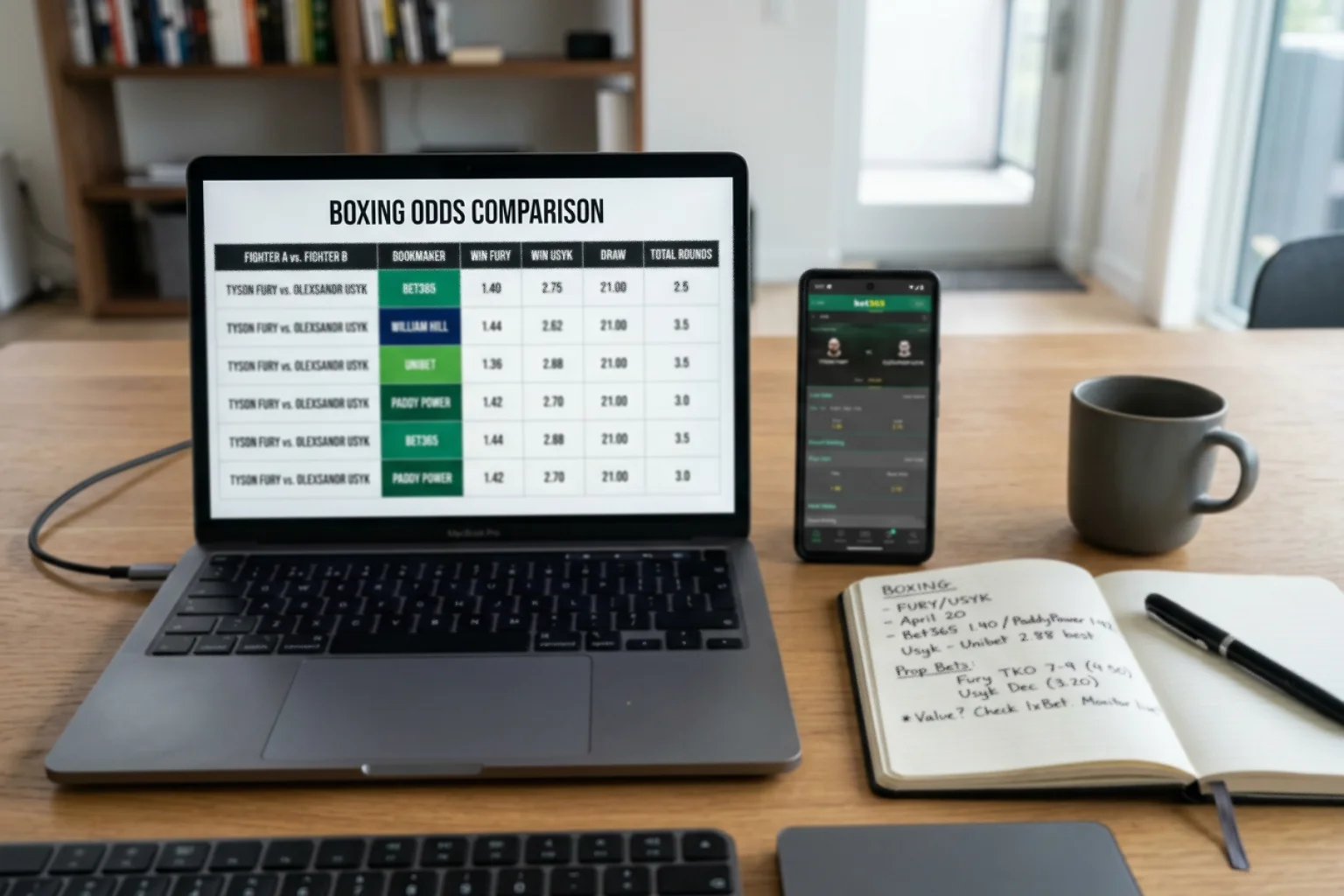
Stream quality determines whether you see the fight in sync with the market. Major operators like bet365, Sky Bet, and William Hill offer live boxing streams directly within their platforms, eliminating the need to watch elsewhere while betting on your phone. Frame rate, resolution, and delay all vary. Test streams on smaller events before relying on them for major fights where timing is critical.
Market depth during live betting varies significantly. Some bookmakers offer only fight winner between rounds; others provide over/under, next round stoppage, and method props. If you want flexibility in your live betting, verify what your preferred operator actually offers during fights rather than assuming based on pre-fight availability.
Bet placement speed matters when windows last sixty seconds. Apps generally process bets faster than browser platforms. Some bookmakers offer one-click betting for live markets, removing the confirmation step that costs precious seconds. Find the workflow that lets you execute quickly without sacrificing accuracy.
Cash out functionality should update in real time during fights. Not all operators refresh cash out values between every round, which can leave you holding stale options when you want to exit. Check how responsive your bookmaker’s cash out system is during live events.
Notification systems help you stay engaged during cards with multiple fights. Some apps alert you when specific bouts are about to start or when odds move significantly. These features keep you connected without requiring you to stare at your screen for three hours waiting for the main event.
Do not spread accounts across too many platforms thinking you will find the best odds everywhere. Managing multiple apps during a live fight creates confusion and execution errors. Pick two or three operators, learn their interfaces thoroughly, and focus your live betting there.
Making Live Betting Work for You
Live betting amplifies everything. Your skills pay off faster when you read fights correctly. Your mistakes cost you faster when emotion takes over. The sixty-second windows force clarity because there is no time for second-guessing.
The bettors who profit from live boxing markets share common traits: they watch fights with analytical detachment, they pre-commit to specific scenarios that would trigger bets, they manage their stakes conservatively, and they know when to sit out confusing situations.
Preparation before the fight determines success during it. Stay ahead of the action with real-time updates and strategies from our top boxing betting guide. Know both fighters’ tendencies, identify what scenarios would represent value, and decide in advance what odds would make a live bet worthwhile. When round three ends and you have sixty seconds to act, that is not the moment to start your analysis from scratch.
Start small. Pick one fight on an upcoming card and commit to watching it solely for live betting practice. Note when you would have bet, what you observed, and how the market reacted. Compare your instincts to actual outcomes. Build experience before building stakes.
The information edge in live betting comes from processing what you see faster and more accurately than the market. That is not a gift; it is a skill developed through repetition. Put in the reps, stay disciplined, and the windows between rounds become opportunities rather than traps.
When do boxing odds change during a fight?
Odds update between rounds based on action in the previous round. Knockdowns, visible damage, and momentum shifts trigger the largest adjustments. Some bookmakers adjust continuously; others update at fixed intervals.
Can I cash out during a boxing match?
Yes, most UK bookmakers offer live cash out for boxing bets. Values fluctuate with in-play odds and may refresh between rounds. Not all bets qualify for cash out, so check eligibility before assuming the option exists.
How fast do I need to place a live boxing bet?
Between-round windows typically last sixty to ninety seconds. Markets open immediately after the round ends and close before the next begins. Having your bet ready to submit saves time.
Which markets are available for in-play boxing betting?
Fight winner and over/under rounds are almost always available. Some bookmakers add method of victory, next round stoppage, and knockdown props. Market depth varies by operator and fight importance.
Prepared by the box bet editorial staff.