Fight to Go Distance Betting: Analyzing Full Round Probabilities
 Available in US
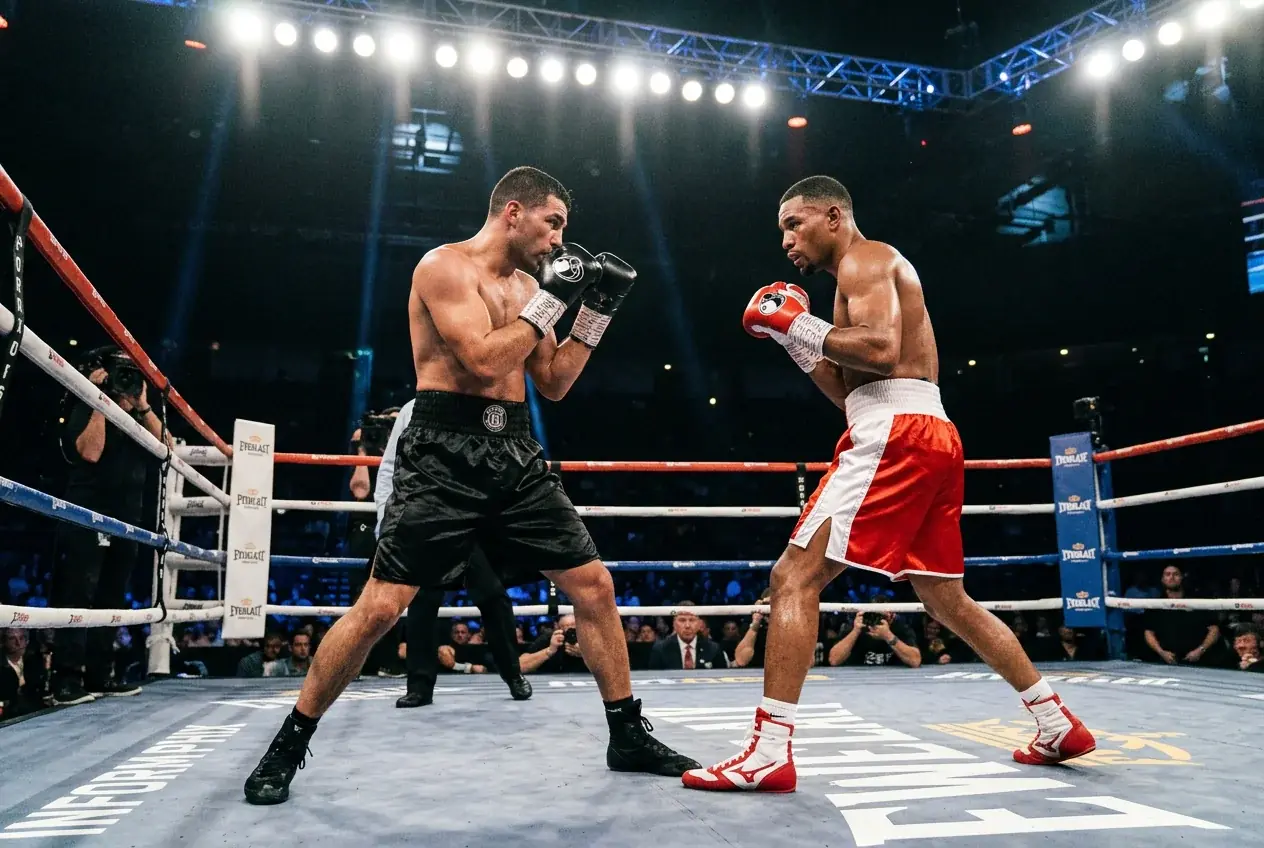
Everyone wants knockouts. The highlight reels celebrate them, the casual fans demand them, and the public money flows toward fighters promising explosive finishes. This universal preference creates a market inefficiency I have exploited for years: distance betting, the quiet bet on fights going the full twelve rounds without a stoppage, often offers value precisely because it lacks glamour.
Distance betting asks the inverse of knockout prediction. Instead of wagering that someone gets stopped, you are betting that both fighters survive to hear the final bell. This market exists separately from fight winner – you do not care who wins, only that the fight completes its scheduled duration. The simplicity appeals, but profitable distance betting requires understanding which fights genuinely merit this approach.
The market typically presents two options: Yes, the fight goes the distance, or No, it does not. Prices vary dramatically based on fighter profiles and matchup dynamics. When two defensive specialists meet, distance prices compress. When two heavy-handed punchers collide, distance pays longer odds. Reading these prices against your own probability assessments reveals whether value exists.
Distance Betting Mechanics: Full Round Analysis
A fight “goes the distance” when it completes all scheduled rounds and proceeds to the judges’ scorecards. For a twelve-round championship bout, this means both fighters must be standing and competing when the final bell sounds. For a ten-round main event or an eight-round feature, the threshold adjusts accordingly but the principle remains identical.
Settlement rules typically specify that any stoppage – knockout, technical knockout, corner retirement, disqualification – results in the fight not going the distance. Some bookmakers include technical decisions in the distance settlement while others treat them as stoppages. Verify the specific rules before betting, particularly for fights where cuts seem likely based on fighter history.
The push scenarios rarely occur but merit understanding. If a fight is stopped after the final round begins but before it completes, most bookmakers would settle this as not going the distance. If bizarre circumstances like arena evacuation or ring failures force abandonment, void settlements typically apply. These edge cases appear infrequently but can produce disputed outcomes when they do.
Identifying Distance Fighters
Career decision rates provide the most obvious starting point. A fighter whose twenty-five bouts include twenty decisions is simply more likely to go the distance than one with fifteen knockouts in twenty attempts. This baseline probability adjusts based on opposition quality and other factors, but the fundamental pattern holds. Fighters who consistently extend their fights will continue doing so absent dramatic changes.
Defensive boxing styles correlate strongly with distance outcomes. The pure boxer who maintains range, times counters, and prioritises avoiding damage over delivering it typically survives to the final bell. Pressure fighters who walk through punishment to impose their own aggression create more stoppages in both directions. Style identification informs distance probability more reliably than raw knockout statistics.
Chin durability matters in obvious ways for distance betting. Fighters who have been stopped multiple times against varied opposition carry elevated stoppage risk regardless of their offensive capabilities. Conversely, fighters who have absorbed significant punishment without being dropped demonstrate the durability that distance betting requires. Historical resilience under fire provides confidence in future survival.
Draws in boxing remain statistically rare, typically priced around 33/1 reflecting their low probability. When considering distance bets, remember that draws count as fights going the distance – both fighters survived to hear the final bell even though neither won. This technicality rarely matters practically but occasionally creates hedging opportunities when draw prices seem reasonable.
Matchup Factors for Distance Bets
The purest distance betting opportunities emerge when two technical boxers meet. Neither possesses exceptional stopping power, both prioritise defence and ring craft, and the fight proceeds as a chess match rather than a war. These matchups regularly produce distance outcomes at prices that underestimate the probability because public money still hopes for fireworks.
When a puncher faces a boxer, the calculus becomes more complex. The fight essentially bifurcates into two scenarios: either the puncher lands something significant and forces a stoppage, or the boxer’s movement and timing carry him safely to the scorecards. Your distance assessment in these matchups depends heavily on which fighter you believe controls the action and at what odds distance becomes valuable.
Two punchers meeting typically argues against distance bets. When both fighters carry genuine power and neither possesses elite defensive skills, something usually gives before twelve rounds expire. These matchups produce the exciting stoppages that public money anticipates. Unless both fighters have demonstrated unusual durability historically, the market appropriately prices distance as unlikely.
Weight class trends inform baseline expectations. Heavier divisions produce more stoppages because bigger fighters deliver greater impact. Distance bets at heavyweight require higher confidence levels than the same bet at welterweight, where technical skill and conditioning often outweigh raw power. The market structure guide explores division dynamics in greater detail.
Finding Value in the Quiet Bet
Distance betting rewards patience and contrarian thinking. When public money piles onto knockout props because a fighter has promotional momentum or highlight-reel finishes, distance prices can drift to levels that overestimate stoppage probability. These moments create the value that sustains long-term distance betting profitability.
I track decision rates by division and style to calibrate my baseline expectations. Knowing that welterweight championship bouts historically produce decisions roughly fifty percent of the time provides context for evaluating individual matchup prices. When a specific welterweight contest prices distance at thirty percent implied probability despite stylistic indicators suggesting higher likelihood, the discrepancy warrants investigation.
The unglamorous nature of distance betting serves as a feature rather than a bug. Markets where casual money congregates toward exciting outcomes systematically misprice boring alternatives. Nobody brags about their distance bet when both fighters clinch to the final bell. But profitability matters more than bragging rights, and distance betting consistently offers value for those willing to embrace its understated nature.
Build distance betting into your broader boxing approach as a tool for specific situations rather than a constant strategy. When matchups align – defensive fighters, durable chins, technical styles – and prices exceed fair value, the distance bet deserves consideration alongside more conventional markets. The quiet bet wins quietly but wins often enough to matter.
Written by the editors at box bet.