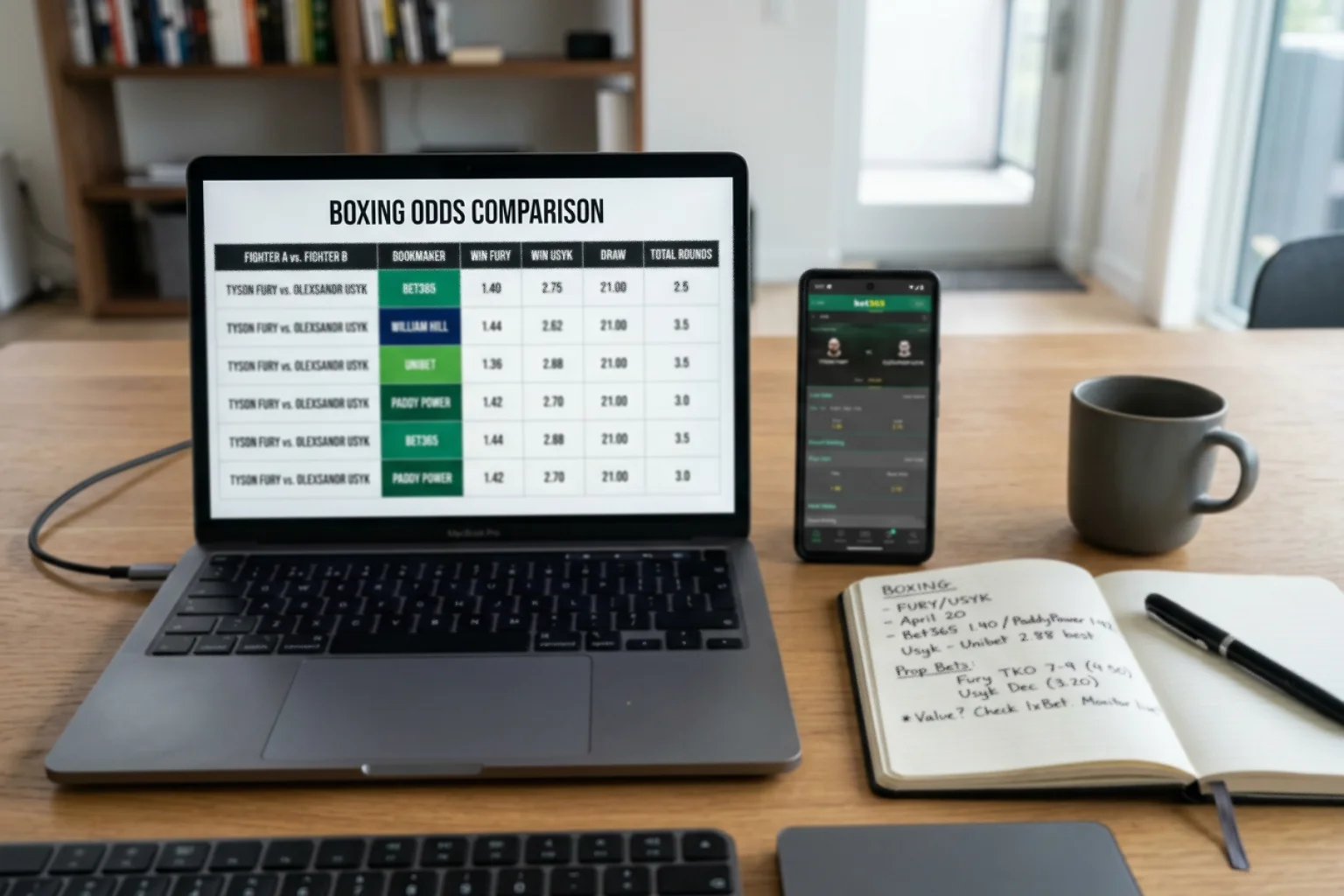
Knockdown Betting Boxing: Prop Markets and Fighter Durability
 Available in US
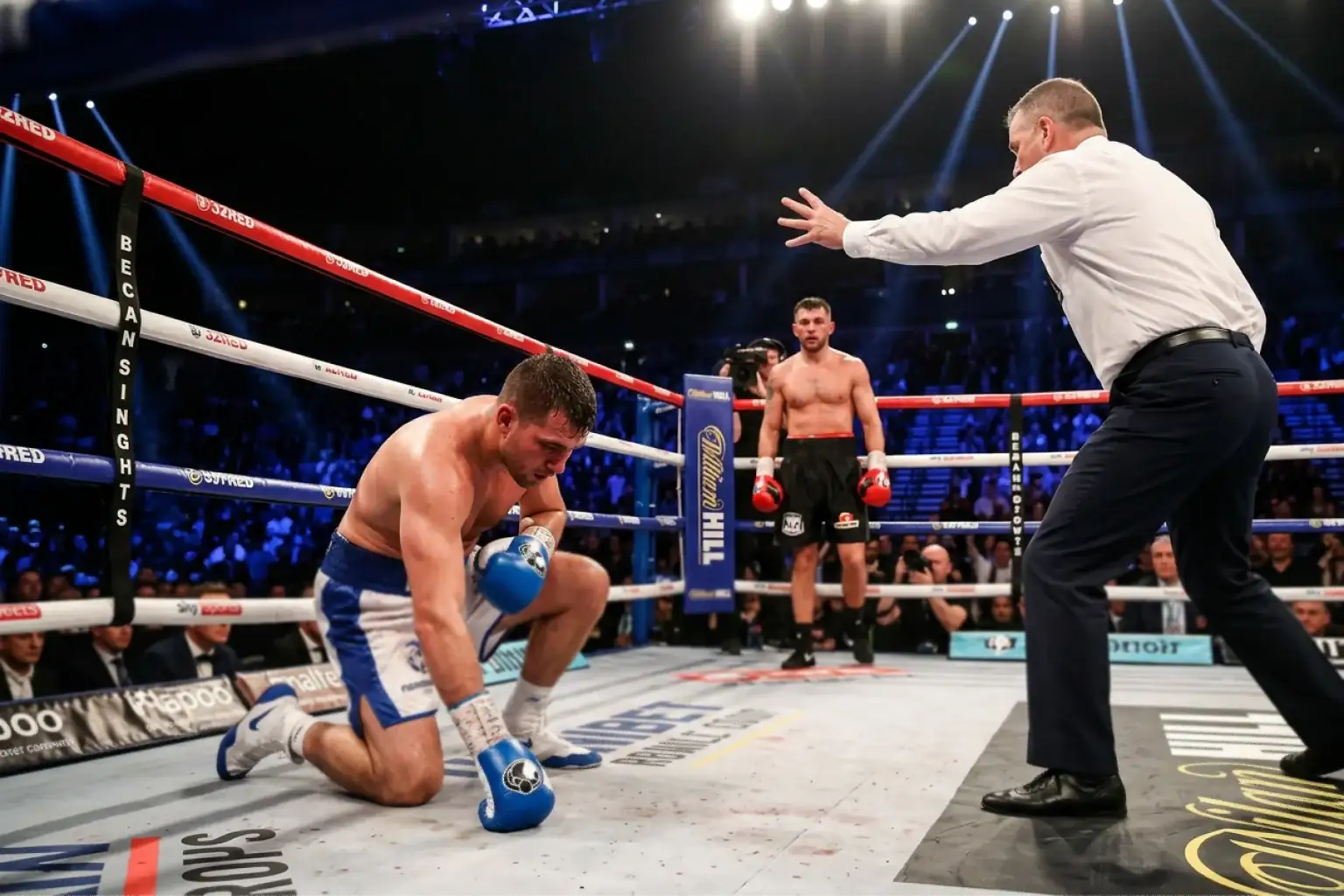
The most exciting bet I ever watched settle involved a knockdown market. My fighter was losing the fight clearly on points, no chance of winning on the scorecards, but I had backed him to score a knockdown at any point during the bout. In the eighth round, trailing by miles, he landed a flush left hook that dropped his opponent momentarily. The opponent beat the count and went on to win comfortably, but my betting slip cashed. That disconnect between fight outcome and prop result illustrates why knockdown betting occupies its own analytical space.
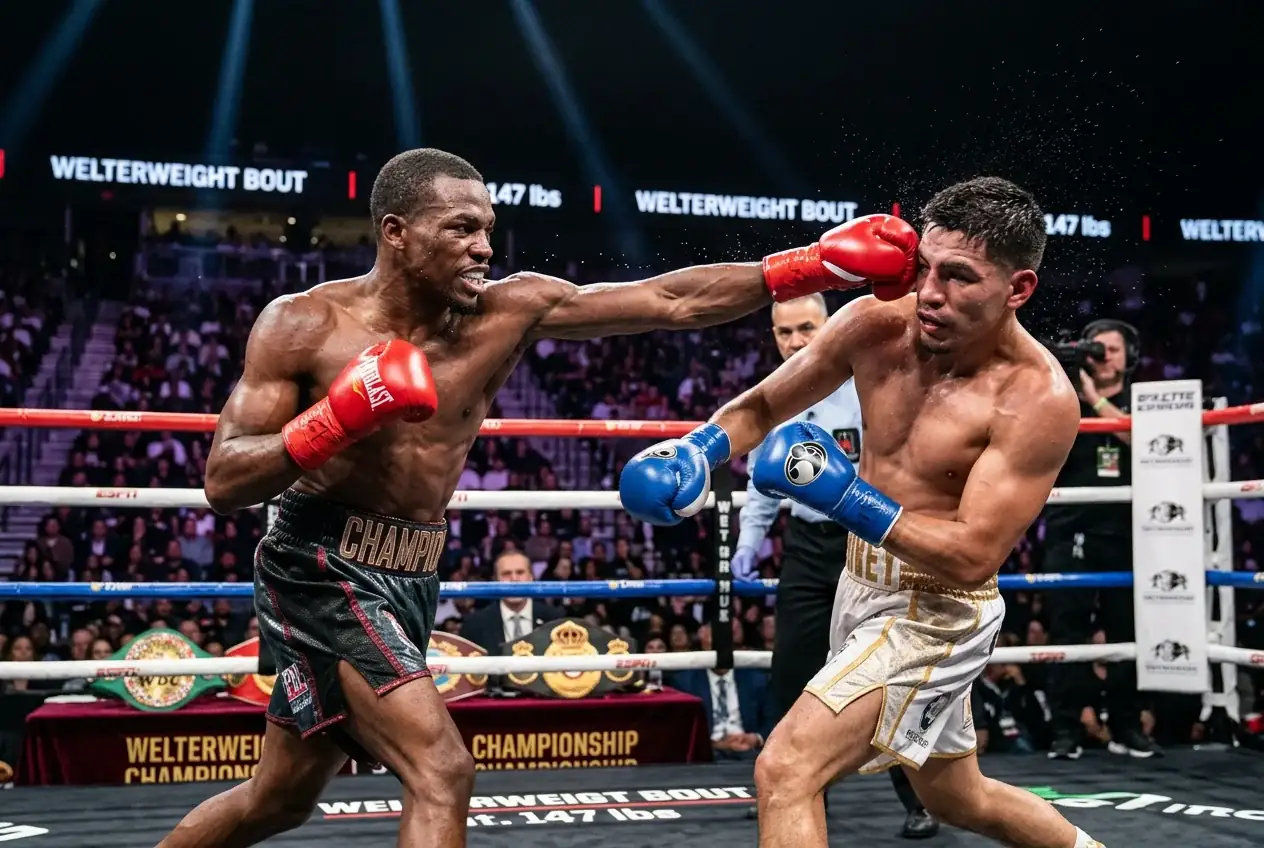
Knockdown markets ask a fundamentally different question than fight winner or method of victory bets. You are not predicting who wins or how the fight ends; you are predicting whether a specific event – a fighter touching the canvas from a punch – will occur during the contest. This reframing creates opportunities that exist independently of your assessment of the ultimate outcome.
The volatility of knockdown betting runs high. A single punch can determine settlement, which means variance significantly exceeds more predictable markets. But within this volatility live genuine edges for bettors who understand how power, durability, and style interact to produce or prevent knockdowns.
Knockdown Betting Markets: Available Prop Odds
The simplest knockdown market presents a binary choice: will there be a knockdown during the fight? Yes or no. This market captures any knockdown by either fighter, so you are betting on the general probability of someone hitting the canvas rather than predicting who goes down. When two heavy-handed fighters meet with questionable chins, the “yes” price often offers value.
Total knockdowns markets function like over-under betting in other contexts. The bookmaker sets a line – typically 1.5 or 2.5 knockdowns – and you bet whether the actual total falls over or under that threshold. This market works best when you have strong views on whether a fight produces chaos or controlled action. Mismatched fighters where one possesses genuine power create clear over opportunities.
First knockdown markets identify which fighter scores the initial knockdown. This differs subtly from general knockdown betting because timing matters. A fighter who typically starts slowly might score knockdowns later in fights but rarely in early rounds when first knockdown bets often settle. Understanding patterns of when fighters produce their best work informs this market.
Round-specific knockdown betting combines knockdown probability with timing prediction. Will there be a knockdown in rounds one through three? Will Fighter A score a knockdown in rounds seven through nine? These markets multiply the difficulty but enhance the odds proportionally. Treat them as high-variance opportunities rather than core betting plays.
The comprehensive markets guide covers prop betting broadly, but knockdown props deserve special attention because they offer unique analytical angles that experienced bettors can exploit.
Analysing Chin Durability for Knockdown Bets
Every knockdown requires two participants: someone who throws the punch and someone who fails to absorb it. Assessing punching power gets attention, but defensive durability matters equally for knockdown betting. A fighter with an iron chin can absorb shots that would drop lesser opponents, suppressing knockdown probability regardless of what his opponent brings.
Historical knockdown data provides the foundation for durability assessment. Count how many times a fighter has been dropped across his career, then consider the opposition level. Being dropped once by an elite puncher means something different than being dropped repeatedly by journeymen. Context transforms raw numbers into meaningful intelligence.
Recovery ability adds another dimension. Some fighters hit the canvas but recover immediately, bounding up before the count reaches three and showing no lasting effects. Others struggle to regain composure after being dropped. For knockdown betting purposes, both count equally – the canvas touch settles the bet. But recovery ability indicates whether a fighter might suffer multiple knockdowns in a single fight, relevant for total knockdown markets.
Billy Bird’s remarkable career record included 139 knockouts across 356 professional bouts, establishing him as the most prolific stoppage artist in boxing history. While extreme examples like this reflect a different era of the sport, the principle applies universally: some fighters simply carry more power than others, and knockdown betting rewards identifying who brings genuine stopping capability into the ring.
Factors That Influence Knockdowns
Punching power receives appropriate attention, but power alone does not predict knockdowns. Accuracy matters as much as force – a glancing blow from a heavy puncher accomplishes less than a clean connection from someone with ordinary power. Fighters who land their shots flush produce knockdowns more consistently than wild swingers who throw harder but connect less cleanly.
Ring generalship influences knockdown probability in ways casual observers miss. A fighter who controls distance effectively keeps his opponent at optimal range for power shots. A fighter who dictates pace can tire opponents until their defensive reflexes slow. Ring control creates the conditions for knockdowns even when neither fighter enters the ring known primarily for power.
Weight class dynamics affect knockdown rates significantly. Heavyweight fights produce more knockdowns per round than featherweight contests, simply because bigger fighters carry more mass behind their punches. When handicapping knockdown markets, calibrate expectations to division norms. A knockdown rate that seems moderate at heavyweight might represent extreme power at flyweight.
Fight circumstances create variance that historical patterns cannot fully capture. Cuts compromise vision and balance, making knockdowns more likely. Accumulated body work saps energy and lowers hands, creating openings for head shots that might not exist in earlier rounds. The fighter who is losing on the scorecards might take desperate risks, walking onto punches he would normally avoid.
Does a flash knockdown count for betting purposes?
Yes, any knockdown where the referee administers a count settles knockdown bets as ‘yes’ regardless of how quickly the fighter recovers. Even if a fighter pops up immediately appearing unhurt, the knockdown occurred and the bet settles accordingly. Slip knockdowns or pushdowns without a count typically do not qualify.
What happens if both fighters get knocked down?
If both fighters suffer knockdowns during a bout, each knockdown counts individually. A ‘will there be a knockdown’ bet would settle as yes. Total knockdowns would count each instance. First knockdown goes to whichever fighter scored the initial knockdown chronologically. These scenarios are rare but can produce unusual settlement combinations.
When Knockdown Bets Make Sense
I approach knockdown betting as an occasional opportunity rather than a consistent strategy. The variance is simply too high for these markets to form a reliable foundation. However, specific fight configurations create edges worth pursuing.
Mismatches involving power disparities offer the clearest opportunities. When a heavy-handed favourite faces an opponent who has been dropped multiple times against lesser competition, the knockdown probability rises substantially. The yes price might offer value even when the fight winner market looks unattractive.
Fighters returning from knockdowns often face inflated no prices in their next fights. The market remembers the dramatic image of them hitting the canvas and prices knockdown risk accordingly. Sometimes this adjustment is warranted; sometimes it overcorrects. Distinguishing between permanent vulnerability and one-off circumstances creates betting opportunities.
The key is independence from fight outcome. Knockdown bets should reflect your assessment of knockdown probability specifically, not your general view of who wins. I have profited from knockdown bets on fighters I expected to lose because their power gave them chances to score a knockdown even when they could not sustain success across twelve rounds. That analytical separation unlocks the full value of these markets.
Prepared by the box bet editorial staff.