Title Fight Boxing Betting: World Championship Odds and Markets
 Available in US

The night Oleksandr Usyk became undisputed heavyweight champion, I won a bet that most people considered mad. The odds suggested it was unlikely; my analysis suggested otherwise. That disconnect between market perception and fight reality appears frequently in championship boxing, where the stakes and narratives often distort pricing away from accurate probability assessment.
Title fights occupy a unique position in boxing betting. The stakes are higher, the fighters better, and the scrutiny more intense than regular bouts. These factors create both challenges and opportunities. Championship-level boxers make fewer mistakes, which makes accurate handicapping more difficult. But championship-level attention brings casual money that creates market inefficiencies for those who understand the dynamics.
Boxing currently recognises over 85 titles across 17 weight classes through the major sanctioning bodies: WBA, WBC, IBF, and WBO. This alphabet soup of belts means title fights occur regularly, providing consistent opportunities to apply championship-specific betting strategies.
Championship Bout Dynamics: Analyzing Title Fights
Champions typically fight more conservatively than challengers. They have something to lose, and the psychological weight of defending a title often produces tactical caution. This dynamic has betting implications: champion fights might extend longer than their historical stoppage rates suggest because champions prioritise security over spectacular finishes.
The twelve-round championship format creates pacing considerations that differ from shorter bouts. Fighters cannot afford to expend all energy early when they must potentially navigate thirty-six minutes of action. This extended duration favours fighters with superior conditioning and tactical patience, sometimes at the expense of explosive finishers who might dominate shorter formats.
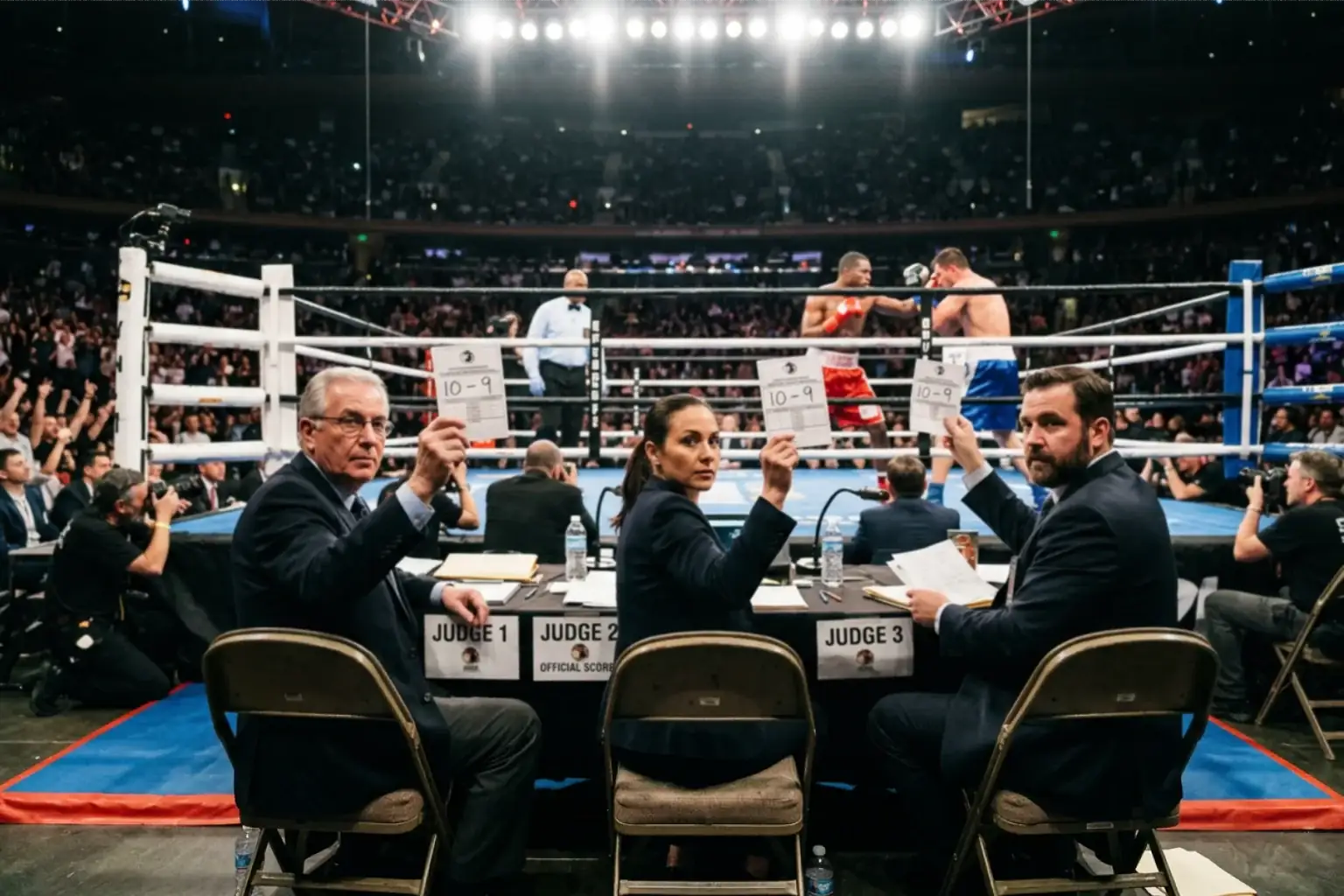
Venue selection in championship boxing often favours the champion. Promoters negotiate for home advantages, and judges have historically shown tendencies to favour fighters in their home territories. This does not mean home fighters always win, but it does mean close rounds might break predictably in certain directions. Factor venue into your assessment of how scorecards might read.
The strategic framework applies to all boxing betting, but championship dynamics require calibration. The margins narrow at elite level, making individual factors more decisive and overall prediction more difficult.
Mandatory vs Voluntary Defences
Mandatory challengers earn their positions through sanctioning body rankings, forcing champions to face them or vacate titles. These fights often feature hungry challengers with legitimate credentials facing champions who might prefer other matchups. The dynamic differs from voluntary defences where champions choose opponents they believe they can defeat.
Mandatory fights historically produce more upsets than voluntary defences. Champions cannot cherry-pick mandatories, meaning the stylistic matchup might not favour them. The challenger arrives knowing this is likely their best opportunity, bringing corresponding desperation. When handicapping mandatory defences, weight the possibility that the champion faces their most dangerous available opponent.
Voluntary defences often feature promotional considerations that affect opponent selection. Champions and their teams choose challengers who sell tickets while presenting winnable matchups. This selection bias means voluntary defence opponents, despite their credentials, have often been identified as favourable opponents. The betting market does not always adequately discount this selection effect.
Unification bouts pit champions against each other, eliminating the champion-challenger dynamic entirely. These fights typically feature tighter odds reflecting genuine competitive balance. When all participants hold titles, neither benefits from championship status – both must prove themselves against elite opposition.
Title Fight Betting Angles
Champions do not win as often as their historical records suggest when facing genuine contenders. A champion’s record includes mandatory defences, voluntary defences against selected opponents, and often early-career fights against limited opposition. When they face another elite fighter, that record provides less predictive value than raw numbers suggest.
Decision rates typically run higher in championship fights than non-title bouts. The conservative pacing, the mutual respect between elite fighters, and the length of championship rounds all contribute to more fights reaching the scorecards. Method of victory and distance markets should reflect this tendency when pricing championship bouts.
Opening odds for major title fights attract substantial public money that can distort prices before fight week. If a champion enjoys particularly strong public support, their odds might compress beyond fair value as casual money piles in. Waiting for this initial wave to pass sometimes reveals better prices on challengers as the market settles.
Belt status affects fighter motivation in complex ways. A champion defending all four major belts has maximum motivation; losing means total devastation. A champion defending one belt while others remain held by rivals might approach the bout differently, knowing that loss does not end their championship aspirations entirely. Read the specific belt situation when assessing fighter psychology.
Championship Value Hunting
The most profitable championship bets come from identifying challengers who genuinely belong at elite level but have not yet received full market recognition. A mandatory challenger who earned their position through consistent performance against rated opposition deserves closer odds than their underdog price often reflects.
Style matchups determine championship outcomes more than general quality assessments. A champion who dominates pressure fighters might struggle against a slick counterpuncher. These specific stylistic vulnerabilities create value when the market prices primarily on overall reputation rather than matchup particulars.
Ring experience at championship level cannot be replicated in lesser competition. A fighter making their first title challenge faces pressures they have never experienced, and some handle those pressures better than others. When assessing first-time challengers, consider how they have performed in their highest-pressure situations previously – not just wins and losses but composure and execution under difficulty.
I approach championship betting with heightened selectivity. The tighter margins at elite level mean my analytical edge shrinks. I compensate by betting fewer championship fights while increasing conviction on the ones I do bet. Quality over quantity applies everywhere in boxing betting but especially at the championship level.
The championship boxing calendar provides natural structure for betting activity. Title defences cluster around promotional schedules, creating predictable windows of enhanced activity. Planning research time around these windows ensures thorough preparation rather than rushed analysis when major fights suddenly appear.
Championship boxing provides the sport’s most prestigious betting opportunities, but prestige does not automatically mean value. Apply the same rigorous analysis you would to any bout, adjust for championship-specific dynamics, and maintain discipline about price. The belts are ornamental; the mathematics remain constant.
Prepared by the box bet editorial staff.