Boxing Betting Markets: Method of Victory and Round Wagers
 Available in US
My first boxing bet was a straight moneyline wager on Lennox Lewis. I had no idea what method of victory meant, never heard of grouped rounds, and would have stared blankly if someone mentioned knockdown props. That bet won, but I left money on the table because I did not understand what else was available.
Boxing offers more betting markets than most casual punters realise. Each major fight might feature fifteen to twenty distinct wagering options, and bookmakers continue inventing new ones. With 17 weight classes and over 85 title belts distributed across sanctioning bodies, the sport generates thousands of betting opportunities every month. Knowing which markets exist — and when to use them — transforms how you approach each card.
This guide breaks down every significant market type you will encounter at UK bookmakers. I am not going to tell you what to bet; I am going to make sure you understand the mechanics so you can make that decision intelligently. Think of this as the reference you wish someone had handed you before your first wager. Before placing your wagers on different markets, it is crucial to understand how boxing betting odds work to calculate your potential returns accurately. If you want the broader strategic foundation for boxing betting in the UK, start there and return here for the market-specific details.
Fight Winner Betting: Moneyline Odds Analysis
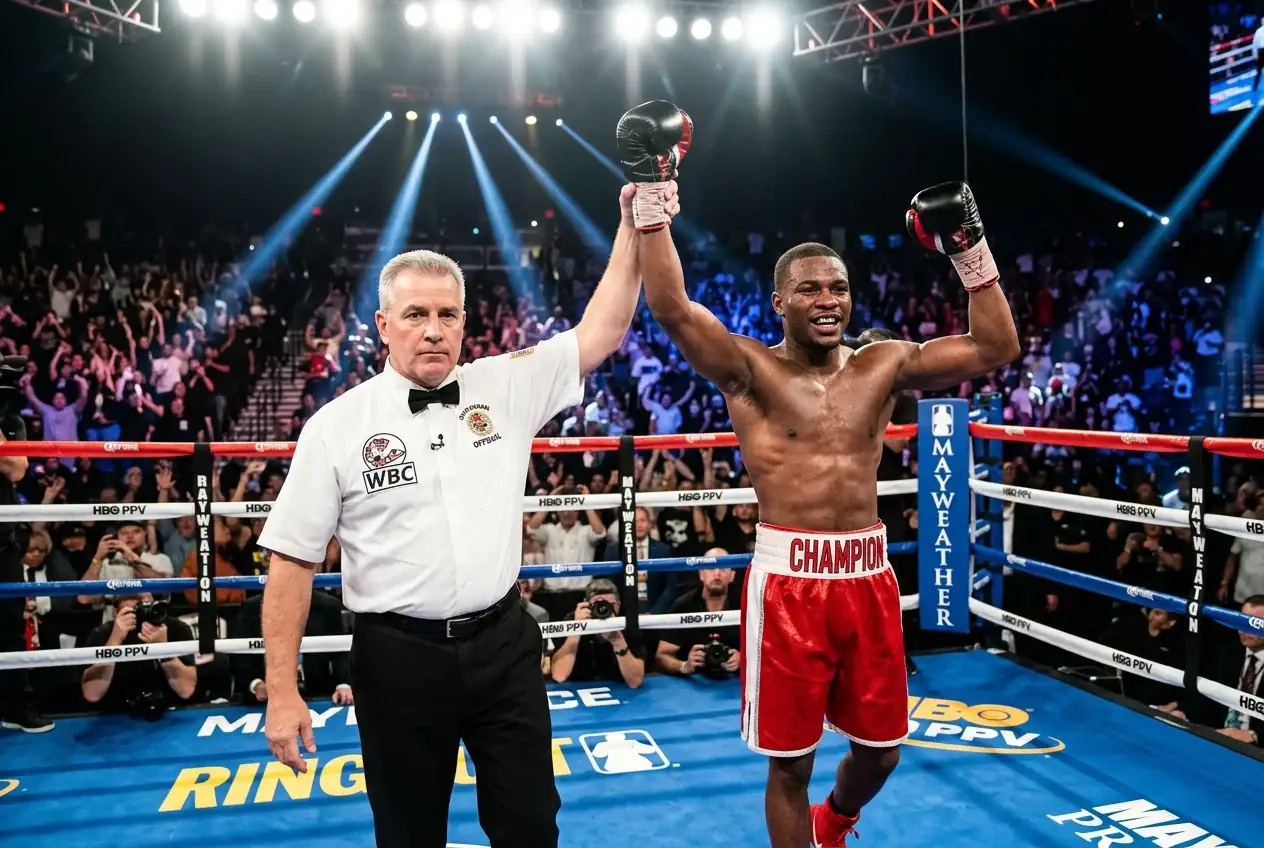
Pick the winner. Collect if he raises his hand at the end. This is the moneyline, and it remains the most popular boxing bet for good reason: simplicity. No need to predict how or when — just who.
UK bookmakers typically offer two formats. The two-way market excludes the draw entirely. If the fight ends level, your stake returns as a push. This suits cautious bettors who want clean exposure to winner selection without worrying about tactical stalemates.
The three-way market includes draw as a distinct outcome. Your bet loses if the judges score it even unless you specifically backed that result. Odds on each fighter improve slightly in three-way markets because the draw absorbs some probability mass. However, draws in boxing are statistically rare — typically priced around 33/1, implying roughly a 3% chance — so most bettors prefer the higher win probability that two-way markets provide.
When does the three-way market make sense? Two situations. First, when you genuinely believe a draw is likelier than the odds suggest and want to back it explicitly. Second, when the improved odds on your fighter in the three-way market outweigh the small draw risk. Run the numbers before deciding; do not default to one format because it feels familiar.
Moneyline betting works best for fights where you have strong conviction on the winner but less certainty about method or timing. A brilliant boxer who could outpoint his opponent or catch him with something sharp in the middle rounds offers a cleaner moneyline play than a method of victory bet that forces you to pick one scenario.
Heavy favourites create a trap in moneyline markets. Backing someone at 1/6 requires them to win six times for every loss just to break even. That sounds reasonable until you remember boxing’s volatility. A single punch changes everything. Weight cuts go wrong. Injuries flare under pressure. I have seen too many “certainties” crumble to stake significant money on odds that short without exploring whether other markets offer better risk-reward profiles.
Conversely, heavy underdogs sometimes represent genuine value on the moneyline. If you believe a fighter has a 25% chance of winning — roughly one in four — but the odds imply only 15%, the mathematics favour the bet even though you expect to lose most of the time. Moneyline underdogs require patience and volume to pay off, but they form a legitimate long-term strategy when priced inefficiently.
Method of Victory: KO, TKO, Decision, and Beyond
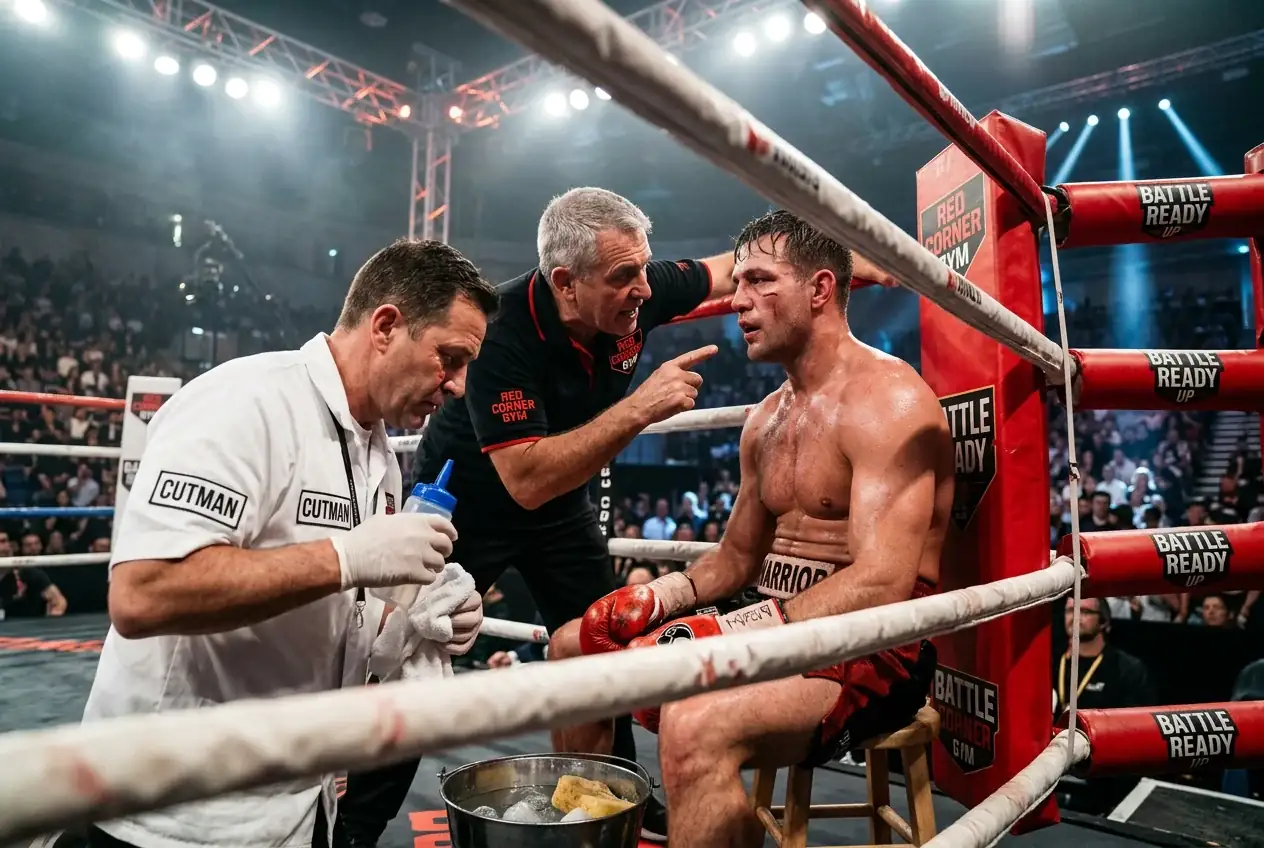
I once watched a fighter dominate for ten rounds and lose because his corner stopped the fight over a cut. My method of victory bet — decision — evaporated despite the better man clearly winning on the scorecards. That night taught me how precise this market demands you to be.
Method of victory splits winning outcomes by how they occur. Bookmakers typically offer six to eight options per fighter: knockout, technical knockout, decision, and sometimes disqualification or technical decision. The odds vary dramatically because each method carries different probability based on fighter styles and historical patterns.
Knockout vs Technical Knockout vs Technical Decision
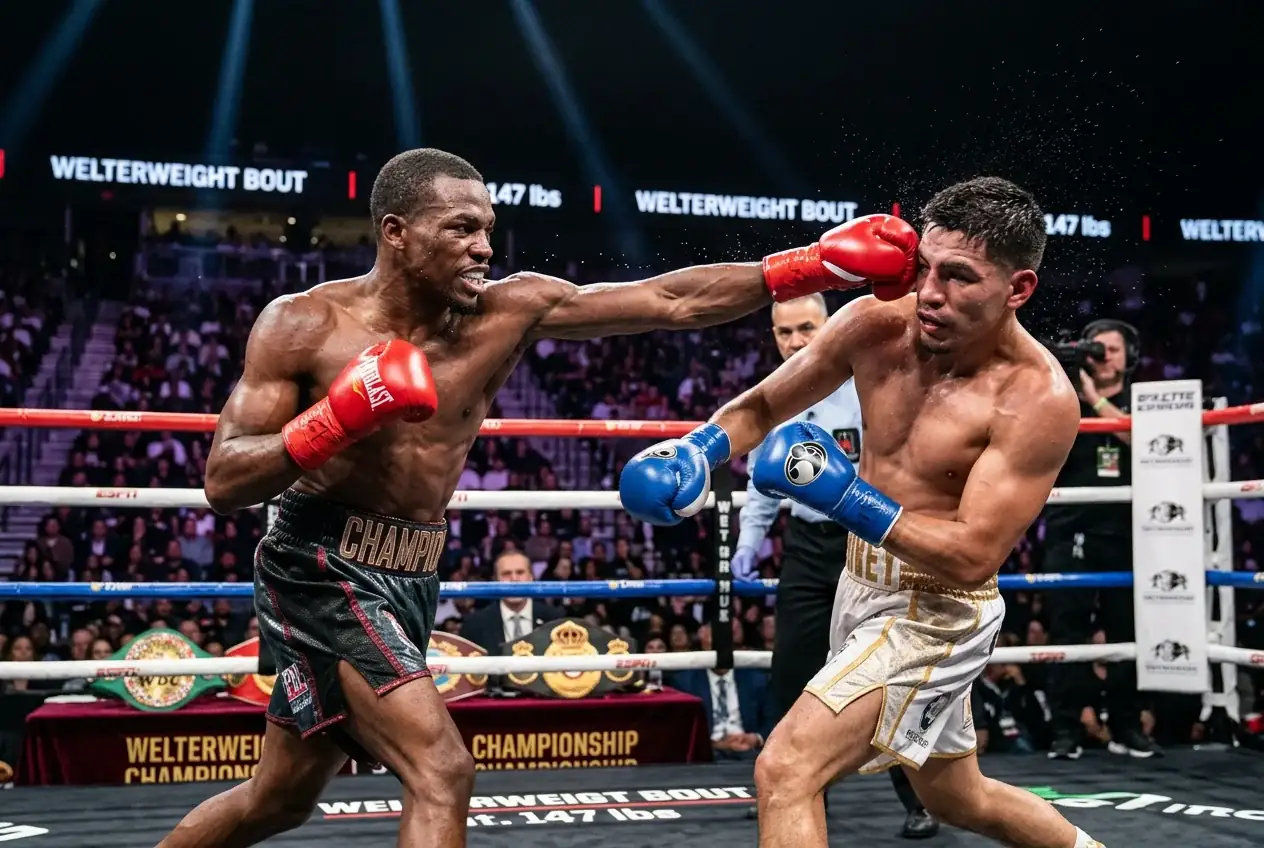
A knockout means the losing fighter cannot beat the ten-count after being knocked down. Clean knockouts are decisive — the fight ends with one man on the canvas and the other celebrating. TKO covers everything else where the fight is stopped: referee stoppage, corner stoppage, fighter unable to continue due to injury, three knockdowns in one round under certain commissions.
For betting purposes, some bookmakers combine KO and TKO into a single outcome. Others separate them. Know which format your bookmaker uses before placing the bet. If they are combined, you are effectively betting on “stoppage” without specifying whether it comes from a single punch or accumulated punishment.
Technical decisions occur when a fight is stopped early due to an accidental foul — usually a headbutt causing a cut — and goes to the scorecards at that point. These are rare but not negligible. If your fighter was winning on points when the headbutt occurred, a technical decision counts as his victory.
Decision Types: Unanimous, Split, Majority
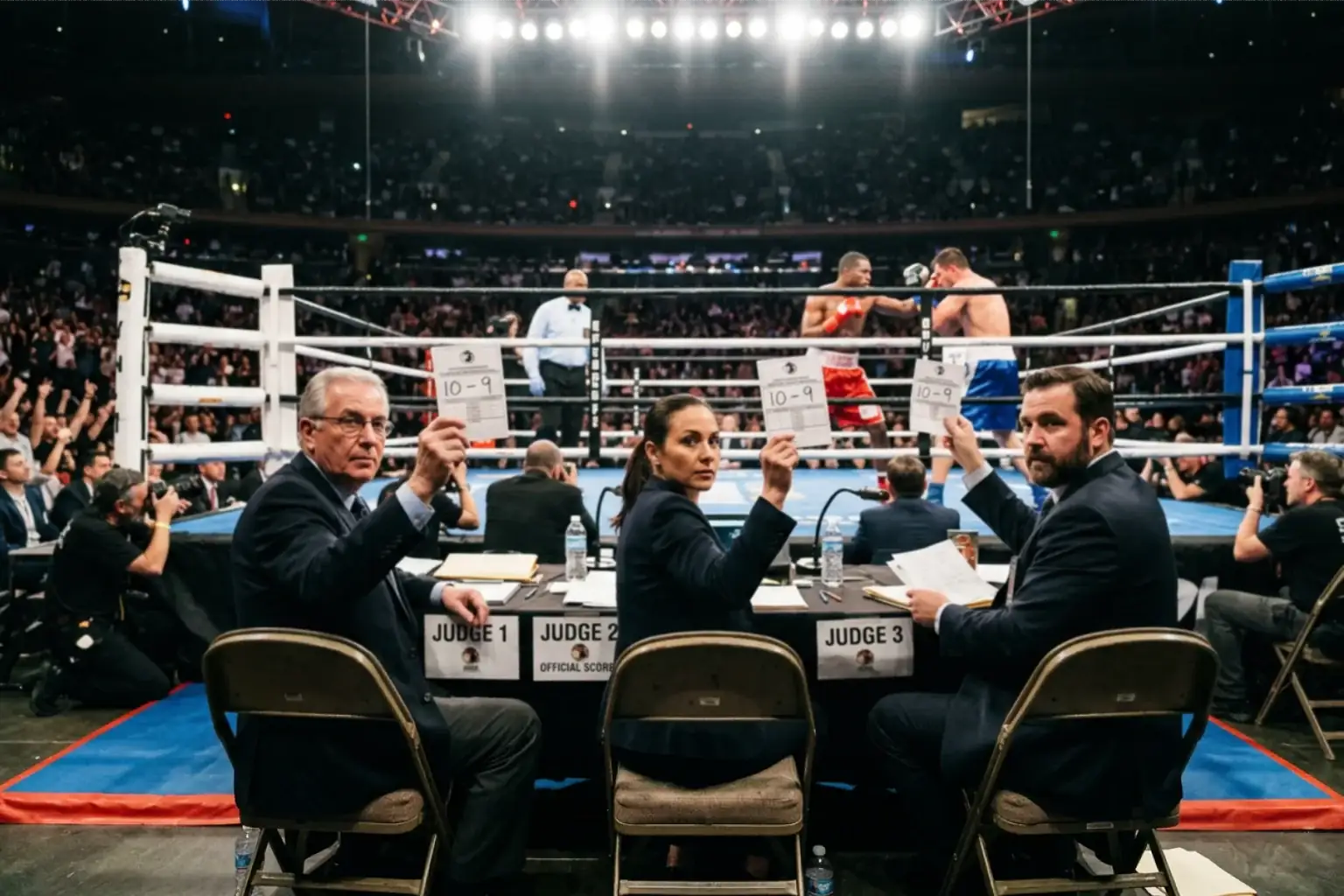
When all three judges score the fight for the same fighter, that is a unanimous decision. When two judges favour one fighter and the third favours the opponent, that is a split decision. When two judges favour one fighter and the third scores it a draw, that is a majority decision.
Some bookmakers let you bet on specific decision types. This creates interesting opportunities in closely matched fights. A bout projected to be razor-thin might offer value on split decision at long odds because unanimous outcomes require all three judges to agree.
Gervonta Davis leads active champions with a 90.3% knockout rate, making decision bets on his opponents risky unless you believe they can survive and outwork him. Meanwhile, a fighter who has never been stopped might offer poor knockout odds but genuine decision value against a power puncher who fades in later rounds.
Disqualification and No Contest
Disqualification ends the fight with the fouled fighter declared the winner. It happens rarely — low blows, head clashes deemed intentional, biting — but some fighters have reputations for pushing limits. If a known dirty fighter faces someone who struggles when grabbed or held, DQ props might carry hidden value.
No contest voids the fight entirely. Your bet loses unless the bookmaker specifically offers refunds for no contest outcomes. Common causes include accidental fouls before enough rounds are completed for a technical decision or situations where both fighters are deemed at fault. Check your bookmaker’s rules before assuming you will get your stake back.
Round Betting: Exact Round vs Grouped Rounds
The purest expression of boxing prediction sits here. You are not just picking a winner or even a method — you are calling when the fight ends. Get it right and payouts soar. Get it wrong and your money vanishes into a specific moment that never arrived.
Round betting splits into two categories with fundamentally different risk profiles. Understanding both saves you from placing the wrong type of wager for your conviction level.
Exact Round Betting
Pick the precise round a fighter scores the stoppage. Odds range from 10/1 for early-round finishes by heavy favourites to 100/1 or longer for late stoppages by underdogs. The variance is brutal. Even the best boxing analysts rarely hit exact round bets consistently.
When does this market make sense? Two scenarios. First, you believe a knockout is coming and have genuine insight into when based on fighter patterns. A slow starter who reliably finds his range in round four facing a chinny opponent might warrant a round four or five bet. Second, you are comfortable losing most of these bets in exchange for occasional massive payouts. This is lottery-ticket territory, not core strategy.
Study historical patterns before diving in. Some fighters are first-round finishers who overwhelm opponents early or get overwhelmed themselves. Others are accumulators who break down resistance over eight or nine rounds. Billy Bird recorded 139 knockouts across his career, but the timing varied based on opponent resistance. Flat-rate expectations ignore this nuance.
Grouped Rounds Strategy
Grouped rounds bundle multiple rounds together: 1-3, 4-6, 7-9, 10-12 for a twelve-round fight. The probability of hitting any specific group exceeds exact rounds substantially, which means lower odds but dramatically higher win rates.
This market rewards style analysis directly. Pressure fighters who overwhelm early suit rounds 1-3 bets. Boxers who break down opponents with accumulated punishment suit rounds 7-9 or 10-12. Fighters who tend toward mid-fight finishes after establishing timing work well with rounds 4-6.
Expected value calculations help here. If you estimate a 20% chance of a stoppage in rounds 4-6 and the bookmaker offers 5/1 (implied probability 16.7%), you have a value bet. Run this analysis for each group and compare. Sometimes the early rounds offer better value even when you expect a late finish simply because the market underprices that possibility.
Combine grouped rounds with method of victory for double bets. “Fighter A by KO/TKO in rounds 1-3” pays less than exact round betting but far more reliably rewards correct fight reads.
Over/Under Total Rounds
Forget who wins. Forget how. Just predict whether the fight lasts longer or shorter than a specified number. Over/under rounds strips boxing to its most essential question: does this end early or go long?
The line typically sits at a half-round to eliminate push possibilities. A twelve-round fight might offer over/under 9.5 rounds. If the fight ends in round nine or earlier, under wins. If it reaches round ten or later — including the final bell — over wins.
Scheduled distance matters enormously. A ten-round fight behaves differently than a twelve-round championship bout. More rounds mean more opportunity for comebacks, which pushes probability toward the over. Shorter fights compress action, favouring the under when two aggressive fighters meet.
Fighter durability shapes this market more than power. A knockout artist facing a fighter who has never been stopped creates uncertainty: does the power translate against genuine resistance, or does the durable fighter survive and potentially outwork the puncher? The market resolves these questions through odds, but inefficiencies emerge when public perception fixates on one factor while ignoring others.
Consider recent fight lengths for both combatants. If Fighter A has gone to decision in his last four bouts and Fighter B has seen three of his last five end early, the over/under line should reflect that blend. When it does not — when the line seems to ignore one fighter’s history — value appears.
Style matchups influence duration predictions too. Two counterpunchers often produce tactical fights where neither man commits enough to force a stoppage. Two pressure fighters create attrition battles where cuts and exhaustion might end things before the final bell. Match the over/under to what the fight is likely to look like, not just who is fighting.
The best over/under opportunities often emerge in mismatched fights where the favourite’s path to victory differs from market expectations. A boxer-puncher heavily favoured against a durable journeyman might be expected to score a quick stoppage, pushing the line low. But if that journeyman has never been stopped in forty fights, the over suddenly carries value even against a significant favourite. The market prices the result correctly but the timing incorrectly.
Championship fights historically last longer than non-title bouts. The stakes encourage caution in early rounds, and fighters pace themselves knowing twelve rounds of high-intensity work awaits. Factor this into your analysis when comparing title fights to regular main events. A line set identically for both situations might be mispriced in one direction.
Specialty and Prop Markets
The further you move from traditional markets, the more creative bookmakers become. Prop bets cover specific fight events that might not determine the outcome but definitely affect how it unfolds. Some offer genuine value. Others exist purely for entertainment.
Knockdown Yes/No
Will either fighter hit the canvas during the fight? This market ignores who gets knocked down and whether they recover — it simply asks if a knockdown occurs at any point. Power punchers facing opponents with questionable chins make this market interesting. Two slick boxers with limited stopping power push probability toward “no” even though the fight might be competitive.
Historical knockdown rates help but context matters. A fighter who has been dropped twice might have faced elite power both times. Another fighter with a clean record might have faced only light punchers. Adjust expectations based on who delivers the leather, not just who receives it.
Fight to Go the Distance
A cleaner version of over/under that simply asks: does this fight reach the final bell? Yes or no, with odds reflecting probability. This market appeals when you have strong conviction about fight duration without wanting to commit to a specific round range.
Decision-prone fighters meeting other decision-prone fighters make “yes” attractive. Heavy hitters facing fragile opponents make “no” attractive. The key is assessing whether either fighter possesses the tools to force a stoppage against this specific opponent, not against opponents generally.
Points Deduction and Exotic Props
Some bookmakers offer wagers on points deductions for fouls, whether a fighter will be cut, total number of knockdowns, and even which round will be judged 10-8. These markets vary wildly by operator and fight. Major events generate dozens of props; smaller cards might offer only core markets.
The “Gone in 60 Seconds” prop asks whether the fight ends in the first minute. “Down but Not Out” covers knockdowns where the dropped fighter recovers to finish the fight. These bets are entertainment-focused with massive implied edges for the bookmaker, but occasionally specific matchups create genuine value. A historically slow starter facing an aggressive opener who throws bombs from the first bell might warrant a glance at early-finish props.
Punch statistics markets have emerged at operators who partner with data providers. Total punches landed, jabs connected, power punch accuracy — these numbers-driven props suit bettors who study CompuBox data and understand how fighters perform statistically against different styles.
How to Choose the Right Market for Each Fight
Market selection is where strategy meets execution. Having fifteen options means nothing if you consistently pick the wrong one for your read on the fight.
Start with your conviction level. High confidence in the winner but uncertainty about method? Moneyline. Strong belief about how the fight ends but less certainty about who wins? Method of victory. Specific timing insight? Round betting. Duration read without caring about outcome? Over/under.
Match market complexity to information quality. If you have watched both fighters extensively, studied their camps, and understand the stylistic interaction deeply, complex markets like exact round betting become viable. If you know one fighter well but are guessing about the other, stick to simpler markets where partial knowledge still provides edge.
Consider the odds landscape. Sometimes the moneyline offers terrible value on a fighter you like, but the method of victory market reveals an opportunity. A heavy favourite might be priced at 1/5 to win but 3/1 to win by decision because the public assumes he will knock out an opponent who has never been stopped. If your analysis suggests a points victory is likely, the method market provides better expected value than the outcome market.
Build a decision tree for each fight. Who wins? How does he win? When does it end? Answer each question with probability estimates, then find where your numbers diverge most from bookmaker odds. That divergence points you toward the right market.
Finally, accept that some fights do not offer value in any market. The odds might be efficient across the board, reflecting genuine uncertainty that your analysis cannot resolve. Walking away is a valid decision. Not every card requires action, and forcing bets into thin edges erodes bankroll over time.
Mastering Boxing Markets
Markets are tools, not destinations. The fight winner bet suits certain situations; method of victory suits others; round betting rewards specific insights; over/under captures duration reads. Knowing what each tool does lets you select the right one for each job.
I spent years defaulting to moneyline bets because they felt safe and familiar. Expanding into other markets dramatically improved my returns, not because I suddenly became smarter about boxing but because I started matching my insights to the bets that rewarded them best. Discover the most competitive prices and expert analysis on the premier UK boxing betting platform before the next big fight.
The variety available at UK bookmakers means you never have to force a wager into an uncomfortable shape. If your read on a fight centres on timing, round betting exists. If you understand how a fight will unfold without certainty on who wins, method and over/under markets provide outlets. The fighters generate countless betting angles; your job is recognising which angle your analysis actually supports.
Your next step is practice. Pick an upcoming card, analyse each fight, and identify which market your analysis suggests. Track your reasoning and results. Over time, patterns emerge: maybe you excel at duration reads but struggle with exact timing; maybe method of victory becomes your specialty. Let the data guide your focus, and keep refining until market selection becomes instinct rather than guesswork.
What happens to my bet if a fight ends in a no contest?
Most bookmakers void no contest outcomes and refund stakes. However, rules vary by operator. Check terms before betting, especially on fights with potential foul concerns.
What is the difference between KO and TKO for betting purposes?
KO means the fighter could not beat the count after being knocked down. TKO covers referee stoppages, corner stoppages, and other non-countout endings. Some bookmakers combine them; others separate them.
Can I combine multiple markets in one bet?
Yes, most UK bookmakers offer doubles, trebles, and accumulators across boxing markets. You might combine moneyline and over/under on the same fight, or spread selections across multiple bouts on a card.
Which boxing market has the best odds?
No single market consistently offers best odds. Value depends on the specific fight and where bookmaker pricing diverges from true probability. Compare markets per fight rather than assuming one type always wins.
Written by the editors at box bet.