Welterweight Boxing Betting: Division Fighter Odds and Matchups
 Available in US
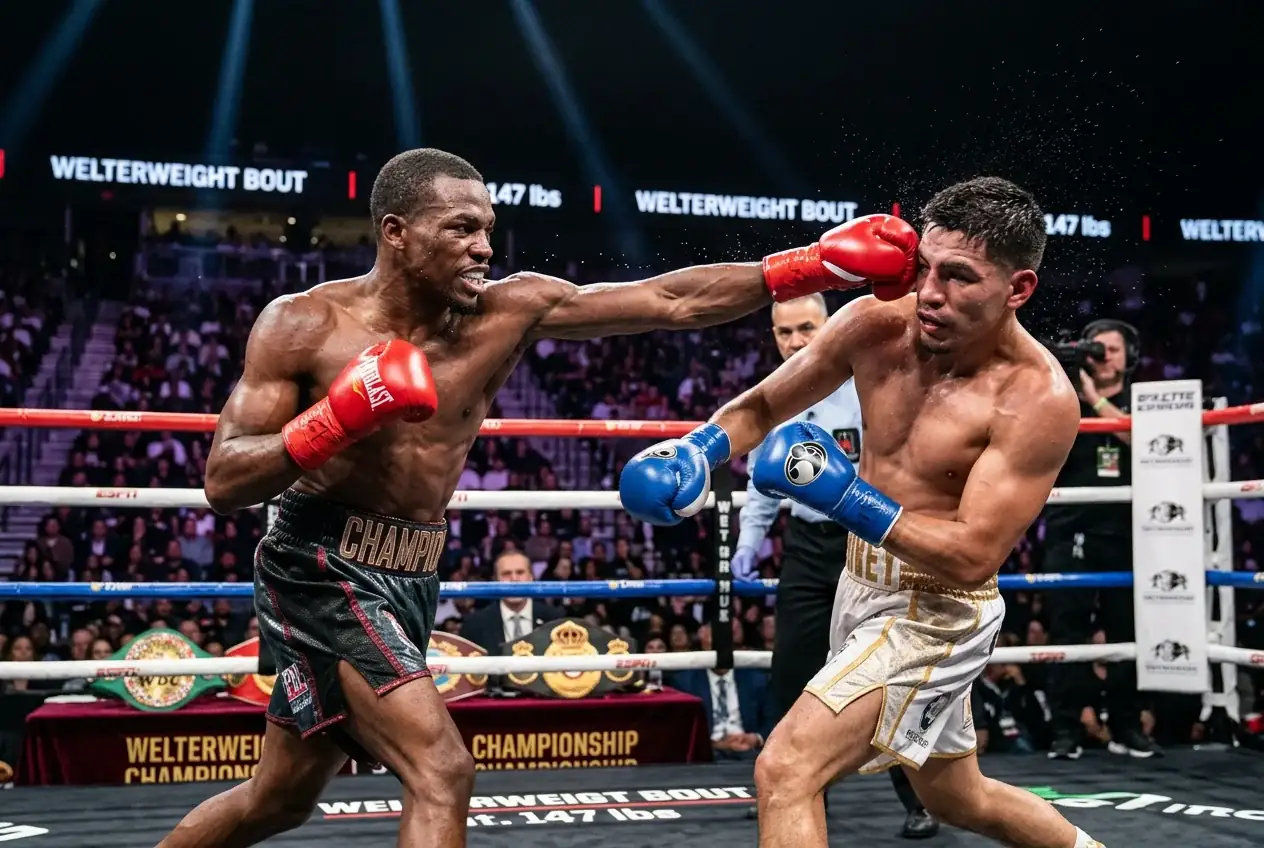
Ask any boxing historian to name the most competitive weight class in the sport’s history, and welterweight appears near the top of every list. Sugar Ray Robinson, Sugar Ray Leonard, Thomas Hearns, Roberto Durán, Floyd Mayweather Jr. – the 147-pound limit has attracted generational talents across eras. This legacy continues today, making welterweight arguably the most challenging yet rewarding division for betting analysis.
The numbers tell the story of depth. Across the WBA, WBC, IBF, and WBO sanctioning bodies, boxing recognises over 85 titles distributed among 17 weight classes. Welterweight consistently produces the most competitive championship-level matchups because the talent pool runs so deep. Where a heavyweight title might change hands between two or three elite contenders over a decade, welterweight crowns circulate among a rotating cast of legitimate champions and dangerous challengers.
For bettors, this depth creates both opportunity and complexity. The same factors that produce exciting fights – evenly matched opponents, multiple elite contenders – make handicapping more difficult. A welterweight underdog possesses genuine upset potential precisely because the skill gaps between ranked fighters remain narrow. This article explores how to navigate these waters profitably.
Welterweight Division Profile: 147-Pound Fighter Stats
The welterweight division occupies a sweet spot in boxing physiology. At 147 pounds, fighters combine meaningful punching power with enough stamina to sustain twelve-round pace. Compare this to heavyweights who gas after six rounds of sustained pressure, or flyweights whose power rarely produces stoppages. Welterweights deliver both action and durability.
Historically, the division attracted crossover stars who could market themselves to mainstream audiences. Leonard’s charisma, Mayweather’s brash confidence, Pacquiao’s warrior spirit – these fighters transcended boxing precisely because welterweight provided the platform for meaningful competitive tests against other elite talents. The division’s prestige attracts ambitious fighters from both lighter and heavier classes, further deepening the talent pool.
The current landscape features several legitimate championship-calibre fighters at various career stages. Unlike heavyweight, where two or three names dominate conversation, welterweight discussions must account for numerous contenders capable of beating each other on any given night. This parity reflects the division’s eternal appeal and creates the betting dynamics I find most interesting.
Knockout rates in welterweight fall below heavyweight but above the lighter divisions. Fighters carry enough power to hurt opponents but face sufficiently skilled competition that stoppages require sustained pressure rather than single-shot devastation. This middle ground means method of victory betting in welterweight demands nuanced analysis of how specific styles interact.
Betting Patterns in Welterweight Boxing
Decision rates run higher in welterweight than casual bettors typically expect. The combination of defensive skill, cardio capacity, and competitive depth means many fights go the full distance. When two elite welterweights meet, both possess the ring intelligence to survive difficult moments and extend fights to the scorecards. This pattern has implications for every market you might consider.
Method of victory betting in welterweight leans toward points outcomes more reliably than other popular divisions. I have profited consistently by backing decision outcomes in closely matched welterweight contests where public money flows toward knockout props. The casual bettor expects fireworks when two ranked fighters meet; the informed bettor recognises that mutual respect and technical ability often produce tactical chess matches.
The favourite-underdog dynamic operates differently here than in shallower divisions. A significant favourite in heavyweight might deserve their short price because true challengers are scarce. A significant favourite in welterweight faces an opponent who likely possesses genuine tools to cause problems. This reality means welterweight underdogs deserve more respect in your handicapping than underdogs in other weight classes.
Live betting opportunities abound in welterweight because fights frequently evolve across twelve rounds. A fighter who loses the early rounds can adjust and dominate the second half. The cardio advantage rarely manifests until the championship rounds. These dynamics create in-play value that does not exist in heavyweight fights that might end abruptly in round three.
How Welterweight Compares to Other Divisions
Understanding welterweight’s position relative to other weight classes helps calibrate your betting approach. The strategic principles apply universally, but implementation must account for division-specific dynamics.
Lightweight, just below welterweight, features faster fighters with slightly less punching power. Decision rates climb even higher because stoppage power decreases. Lightweight betting rewards identifying fighters with exceptional accuracy who can accumulate damage without delivering single-shot finishes. The pace is frenetic, which can create late-round opportunities when fighters tire.
Middleweight, above welterweight, adds power but subtracts from the talent depth. Fewer elite fighters compete at 160 pounds, which means the truly dominant champions face longer stretches between meaningful challenges. Middleweight betting involves identifying whether a champion has genuinely cleared the division or merely benefits from shallow competition.
My betting allocation reflects these distinctions. I bet welterweight more frequently than any other division because the competitive matchups appear regularly. The analysis required is substantial – you cannot simply back the bigger name – but the reward for doing the work is consistent opportunity. Lighter divisions offer occasional opportunities around major cards. Heavier divisions reward patience and selectivity.
The crossover between welterweight and super-welterweight (154 pounds) creates additional angles. Many welterweight champions eventually move up, where different dynamics apply. Tracking which fighters struggle with the weight cut versus which have natural size advantages provides an edge when handicapping divisional transitions.
Why is welterweight considered the deepest division?
Welterweight historically attracts the most talent because the 147-pound limit optimises the power-to-skill ratio for exciting fights. Champions from lighter divisions often grow into welterweight, while larger fighters drain down to compete there. This convergence creates exceptional depth that produces consistently competitive matchups.
What is the typical KO rate in welterweight boxing?
Welterweight knockout rates fall between the extremes of heavyweight and flyweight, typically seeing 50 to 60 percent of fights ending by stoppage depending on the era and specific fighters involved. Elite welterweight matchups between ranked opponents trend toward decisions more often than casual fans expect.
Turning Division Depth Into Betting Edge
The welterweight division tests everything you think you know about boxing handicapping. The margins between fighters narrow considerably at championship level, which means your analysis must dig deeper than basic statistics. Style matchups, recent activity, training camp information, and promotional dynamics all factor into welterweight outcomes more significantly than in shallower divisions.
I approach welterweight betting with humility about outcome certainty but confidence in process. The same depth that makes prediction difficult ensures that genuine analytical edges exist for those willing to do the work. Casual money follows names; informed money follows styles and situations. Welterweight markets consistently offer opportunities to be on the informed side.
The division that produced the greatest fighters in boxing history continues generating compelling matchups and betting opportunities. Respect the depth, study the styles, and recognise that welterweight value often lives on the underdog side of closely contested fights. The sweet science is never sweeter than at 147 pounds.
Prepared by the box bet editorial staff.