Over/Under Rounds Boxing: Total Rounds and Fight Duration Odds
 Available in US
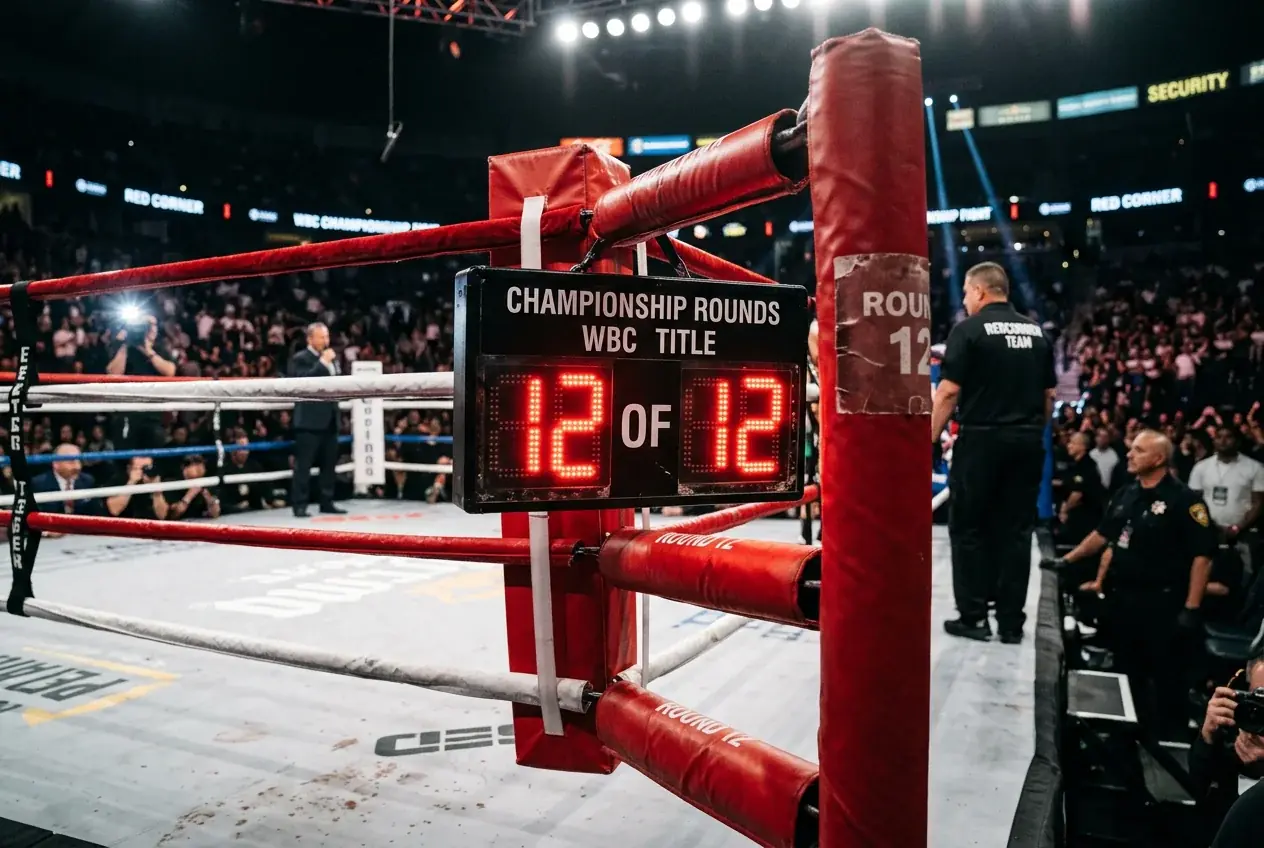
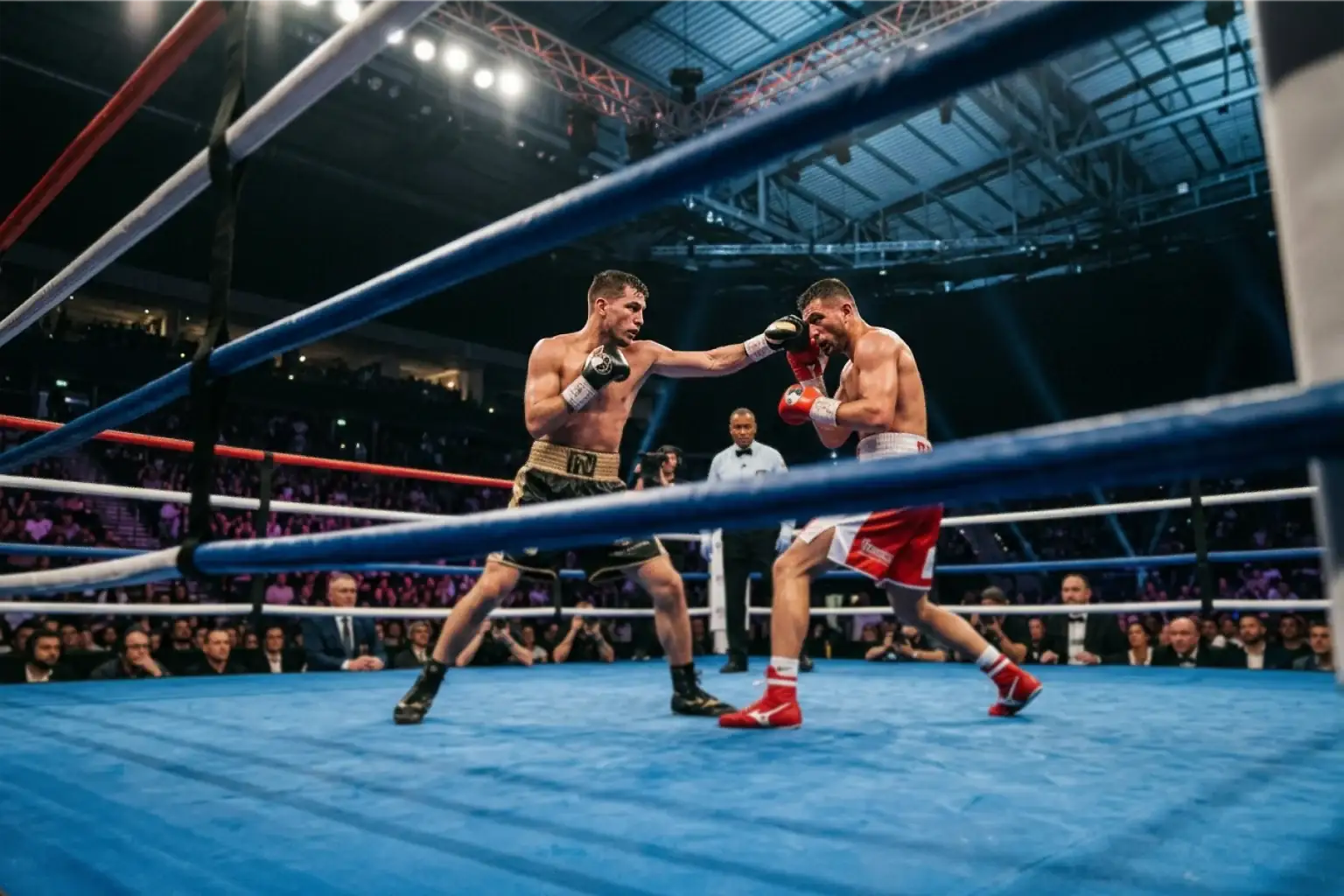
My most confident boxing bet of 2024 was an over/under pick. Two technical welterweights, both with decision-heavy records, meeting in a championship bout. The bookmaker set the line at 9.5 rounds. I hammered the over at even money and collected when both fighters were still trading punches in the twelfth. That kind of clarity does not appear often, but totals betting rewards those who recognise it when it does.
Over/under rounds betting strips away the question of who wins and focuses entirely on fight duration. Will the contest extend past a specified round threshold, or will a stoppage occur before that point? This reframing creates opportunities independent of your view on the ultimate winner and allows you to profit from fights where the winner seems obvious but the duration remains uncertain.
The market structure resembles totals betting in other sports. Bookmakers set a line – typically at the half-round mark to avoid pushes – and you choose whether the actual fight length falls over or under that threshold. The simplicity belies the analytical depth required to bet this market profitably.
Over/Under Totals Mechanics: Setting Fight Duration Lines
The line represents the bookmaker’s assessment of where the fight is equally likely to end before or after. A line set at 8.5 rounds means the bookmaker believes roughly half the probability mass falls in rounds one through eight and half falls in rounds nine through completion. Your job is determining whether that assessment is accurate.
Half-round lines eliminate most push scenarios. A fight ending during round eight – meaning it does not complete eight full rounds – settles under 8.5. A fight completing round eight and ending during round nine settles over 8.5. The precision of half-round lines means most bets produce definitive outcomes rather than stake returns.
Different scheduled distances create different line ranges. A twelve-round championship bout might see lines anywhere from 6.5 to 10.5 depending on the matchup. A ten-round main event typically features lines from 5.5 to 8.5. Understanding how scheduled distance affects typical line placement helps you calibrate expectations across fight types.
The markets guide covers totals alongside other bet types, but this market deserves standalone attention because it requires a distinct analytical approach focused on duration probability rather than winner probability.
Factors That Affect Fight Duration
Fighter styles provide the primary duration signal. Gervonta Davis carries a 90.3 percent knockout rate, meaning his fights systematically end early. Defensive technicians who prioritise not getting hit routinely extend their fights to the scorecards. Identifying where fighters fall on this spectrum provides the foundation for totals assessment.
Matchup dynamics modify individual tendencies. A puncher facing another puncher might produce an early stoppage from either direction. A puncher facing a defensive specialist creates a bifurcated distribution: either early stoppage or full distance. Understanding how styles interact produces more accurate duration predictions than analysing fighters in isolation.
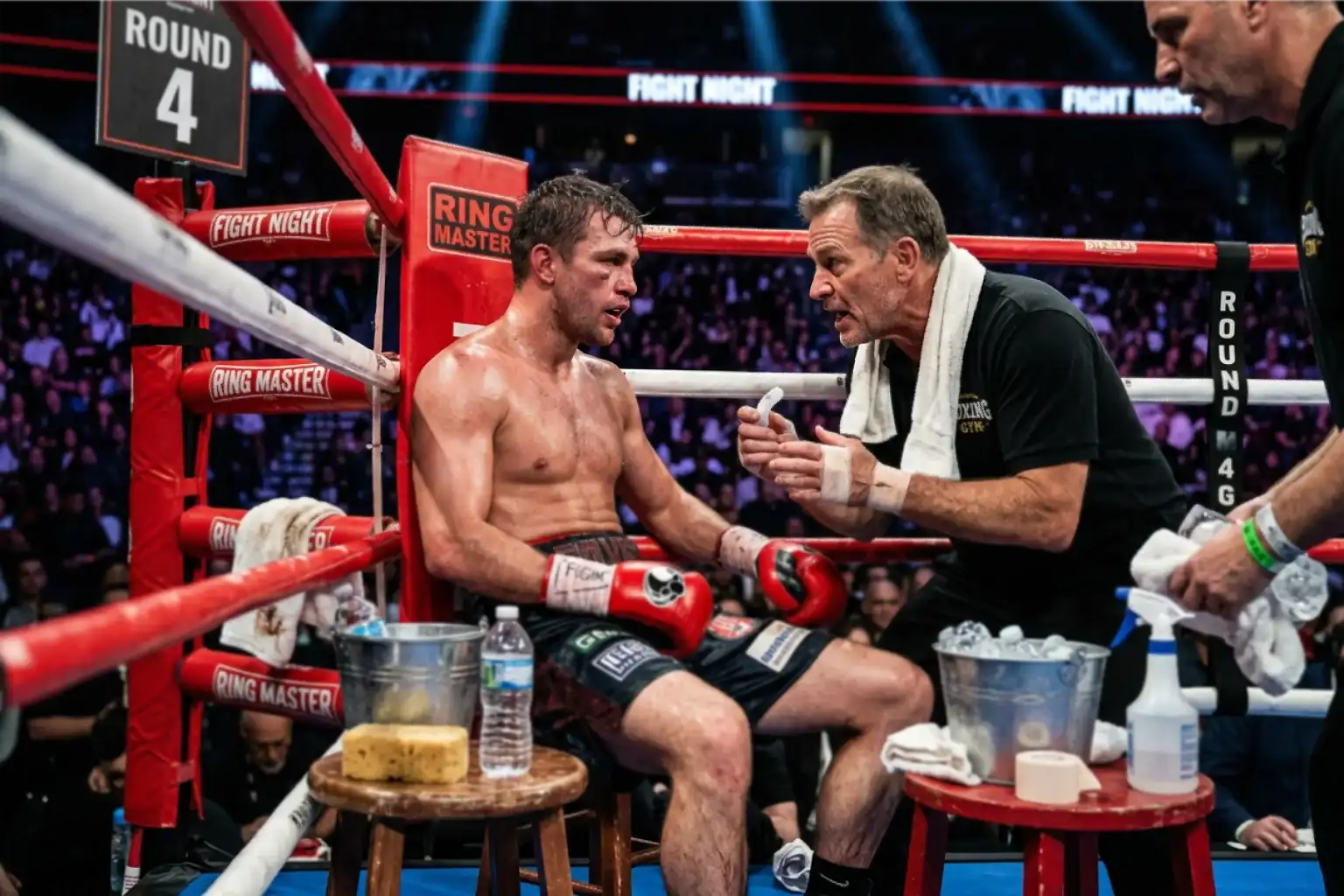
Scheduled distance matters beyond simply setting the line range. Fighters pace themselves differently in twelve-round fights than in eight-round fights. Championship rounds produce desperation that can force stoppages that would not occur in shorter formats. The duration expectations should account for how fighters typically approach fights of the specific scheduled length.
Physical factors influence late-round dynamics. Fighters carrying extra weight into bouts often fade in later rounds, creating stoppage opportunities that would not exist earlier. Fighters returning from long layoffs may struggle with conditioning as fights extend. These factors bias probability toward either side of the totals line depending on circumstances.
Finding Value in Totals Markets
The market tends to overestimate stoppage probability for fights involving popular punchers. Public money gravitates toward knockout artists, expecting fireworks that do not always materialise. When a heavy favourite with significant knockout power faces a durable opponent, the over often offers value because the public assumes the favourite will finish quickly.
Line movement reveals where money is flowing. If a line opens at 8.5 and moves to 9.5, significant money has backed the over, suggesting the market has reassessed duration probability upward. Tracking these movements provides intelligence about where informed bettors see value, though you must evaluate whether their reassessment seems justified.
Historical patterns by weight class establish baseline expectations. Heavyweight fights average fewer rounds than welterweight fights. Fights between ranked opponents average more rounds than mismatches. Fights in certain promoter’s events might run longer or shorter based on matchmaking philosophy. These patterns inform your assessment of specific fights against division norms.
Same-fight correlation creates hedging opportunities. If you believe strongly in the over but also have a view on the winner, combining positions captures more nuance than single bets. The over winner would profit if your favoured fighter wins a decision. If they lose by stoppage, at least you avoided the over losing to a favourable knockout.
Building Totals Into Your Approach
Over/under betting provides an alternative when fight winner markets look uninviting. Sometimes you correctly identify a clear favourite but find the moneyline price offers no value. The totals market lets you profit from that fight if you have formed a view on duration even when the winner seems predetermined at unattractive odds.
I use totals betting selectively rather than systematically. Not every fight features a totals line that diverges from my assessment. When alignment exists between my view and the market price, I bet single bets at normal stakes. When discrepancy exists, I increase attention and potentially position size. When I have no strong view on duration, I simply skip the market.
The most profitable totals bets come from recognising stylistic mismatches that the market underweights. Two boxers meeting rarely produce early stoppages regardless of their physical capabilities. Two pressure fighters rarely extend to the championship rounds. These patterns repeat reliably enough that identifying them consistently produces positive expected value in totals markets over time.
Duration prediction offers a complementary skill to winner prediction. Developing both expands the fights on which you can profitably bet and provides alternative angles when primary markets seem efficiently priced. The totals market rewards the same analytical rigour you apply elsewhere, just focused on a different question about the same events.
Created by the ”box bet” editorial team.