Draw Betting Boxing: Analyzing Value in 33/1 Fight Odds
 Available in US
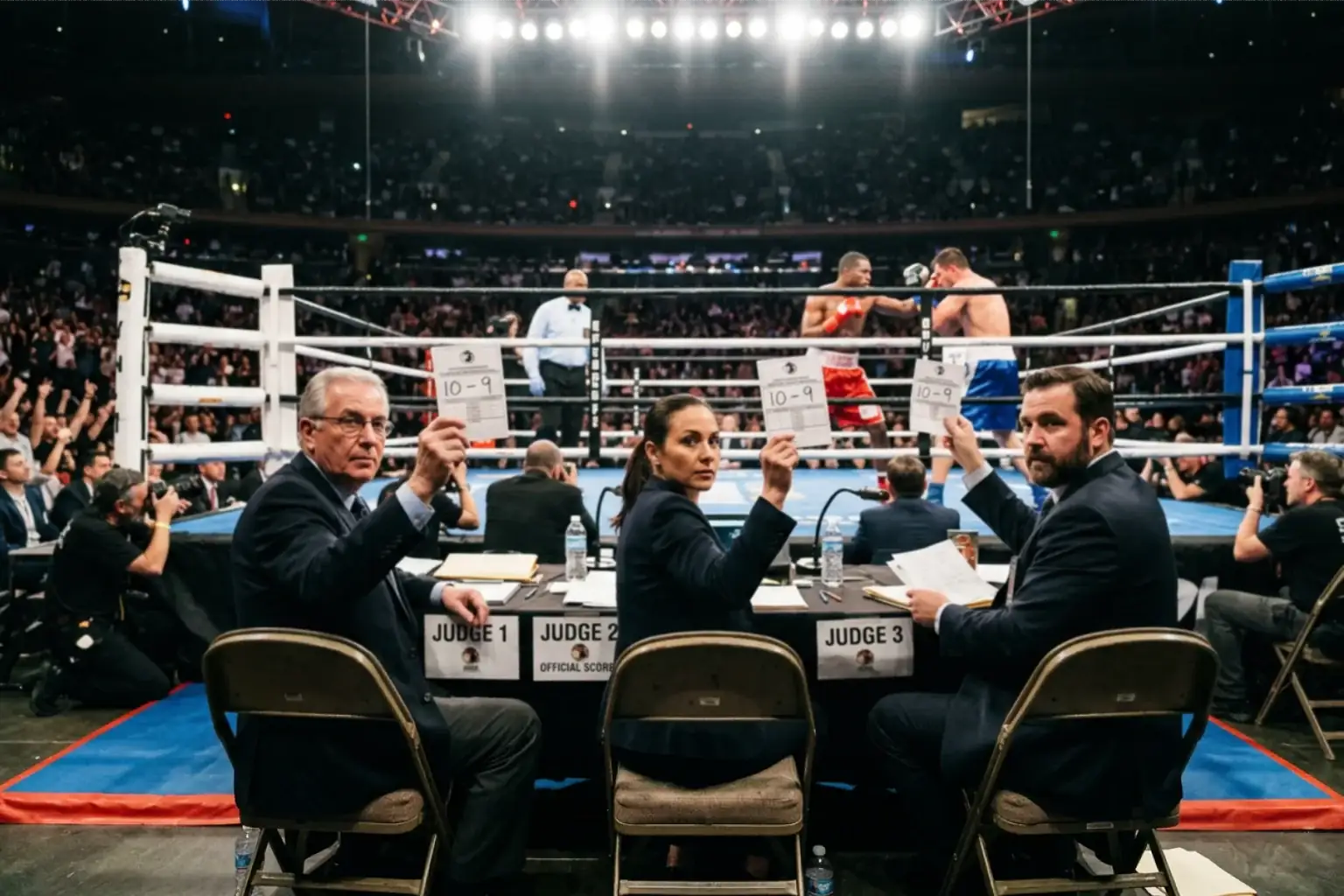
Nobody leaves a boxing arena talking about the draw. Yet draws happen more often than their typical 33/1 pricing suggests, and I have profited handsomely from recognising when those long odds actually represent value. The draw is boxing’s unloved outcome, dismissed by casual bettors who want definitive results and underpriced by bookmakers who know long shots rarely attract significant volume.
Statistical analysis suggests draws occur in roughly three to four percent of professional boxing matches that go to the scorecards. At 33/1, the implied probability is approximately three percent, meaning the market prices draws roughly accurately in aggregate. But aggregate accuracy masks individual fight variance. Some matchups carry substantially higher draw probability than the standard 33/1 reflects, and identifying those matchups creates genuine betting opportunities.
The draw bet appeals to contrarian bettors willing to accept high variance for potentially outsized returns. You will lose most draw bets – that is mathematically inevitable given the underlying probabilities. But the wins, when they come, compensate for the losses if you select spots carefully.
Boxing Draw Categories: Split, Majority, and Technical
The majority draw occurs when two judges score the fight for the same fighter while the third judge scores it even. The fighter favoured by two judges wins by majority decision, but if two judges score it even while the third picks a winner, the result is a majority draw.
The split draw happens when one judge favours Fighter A, one judge favours Fighter B, and the third judge scores it even. This outcome requires the most dispersed judicial opinions and occurs less frequently than other draw types.
A technical draw results when a fight is stopped before completing a specified number of rounds – usually four – due to accidental foul, with the scores even at the time of stoppage. These relatively rare outcomes carry different settlement implications depending on bookmaker rules.
For betting purposes, most bookmakers group all draw types together. You are simply betting that the official result will be a draw of any variety. The markets breakdown covers settlement specifics, but the core draw bet does not distinguish between draw types.
When Draws Are More Likely
Evenly matched fighters produce more draws than mismatches. This seems obvious but has practical implications. When two fighters of genuinely similar capability meet, the probability that twelve rounds of action produces an even scorecard increases substantially. Identifying true competitive equality – rather than perceived equality based on hype – helps find draw value.
Low-activity fights generate more draws because fewer landed punches mean fewer clear rounds. When both fighters prioritise defence over offence, individual rounds become harder to score definitively. Technical chess matches where both fighters execute game plans without dominating produce the close scoring that draws require.
Certain judges historically score more draws than their peers. While researching specific judge tendencies requires effort, knowing that the assigned judges include someone with elevated draw rates in their history increases draw probability marginally. This information becomes available as fight week progresses and officials are announced.
Championship rounds favour draws in some circumstances. If a fight enters the final rounds with one fighter needing a stoppage to win while the other needs only to survive, the resulting dynamic can produce even scorecards. The trailing fighter takes risks while the leading fighter coasts, and judges might split differently on how to score that exchange.
Draw Bet Mathematics
Expected value calculation for draw bets follows standard formulas. If you believe a specific fight carries a six percent draw probability and the price is 33/1 (implying roughly three percent), your expected value is positive. Multiply your probability by the potential payout, subtract the probability of losing times your stake, and the result indicates whether the bet makes mathematical sense.
Variance considerations matter more for draw bets than most other markets. Even if you identify genuine value, you might lose ten draw bets consecutively before hitting a winner. Your bankroll must withstand these losing runs without forcing you to abandon the strategy. Unit sizing for draw bets should be smaller than for bets with higher win rates.
Portfolio approach to draw betting smooths variance over time. Rather than betting one draw per month with significant stake, consider smaller bets across multiple fights where draw conditions appear present. This diversification reduces the impact of any single loss while maintaining exposure to draw opportunities.
The relationship between draw probability and optimal stake follows Kelly criterion principles. Even when you identify value, the optimal stake on a low-probability event is much smaller than on a higher-probability event with the same edge percentage. Aggressive draw betting destroys bankrolls despite theoretical value.
The Patient Draw Hunter
Draw betting rewards patience and selectivity more than almost any other market. The typical 33/1 price does not represent value in most fights – it accurately reflects draw probability for average matchups. Value appears only in specific circumstances where genuine competitive balance, defensive styles, and favourable judging conditions converge.
I bet draws sparingly, perhaps once or twice per month, always at modest stakes relative to my standard betting units. The strategy has produced positive returns over years precisely because I resist the temptation to bet draws indiscriminately. Long odds seduce less disciplined bettors into overexposure; I maintain the selectivity that makes draw betting profitable.
When assessing any fight for draw potential, I ask three questions. Are these fighters genuinely equal in capability, or does perception of equality mask real gaps? Does the stylistic matchup favour low-scoring, technical action? At the offered price, does my probability estimate produce positive expected value? Affirmative answers to all three justify a draw bet. Anything less means passing.
The draw remains boxing’s contrarian bet, unloved by most and profitable for few. Understanding when 33/1 becomes value rather than simply a long shot separates those who profit from draw betting from those who occasionally get lucky. The mathematics are unforgiving, but they reward those who apply them rigorously.
Published by the box bet team.