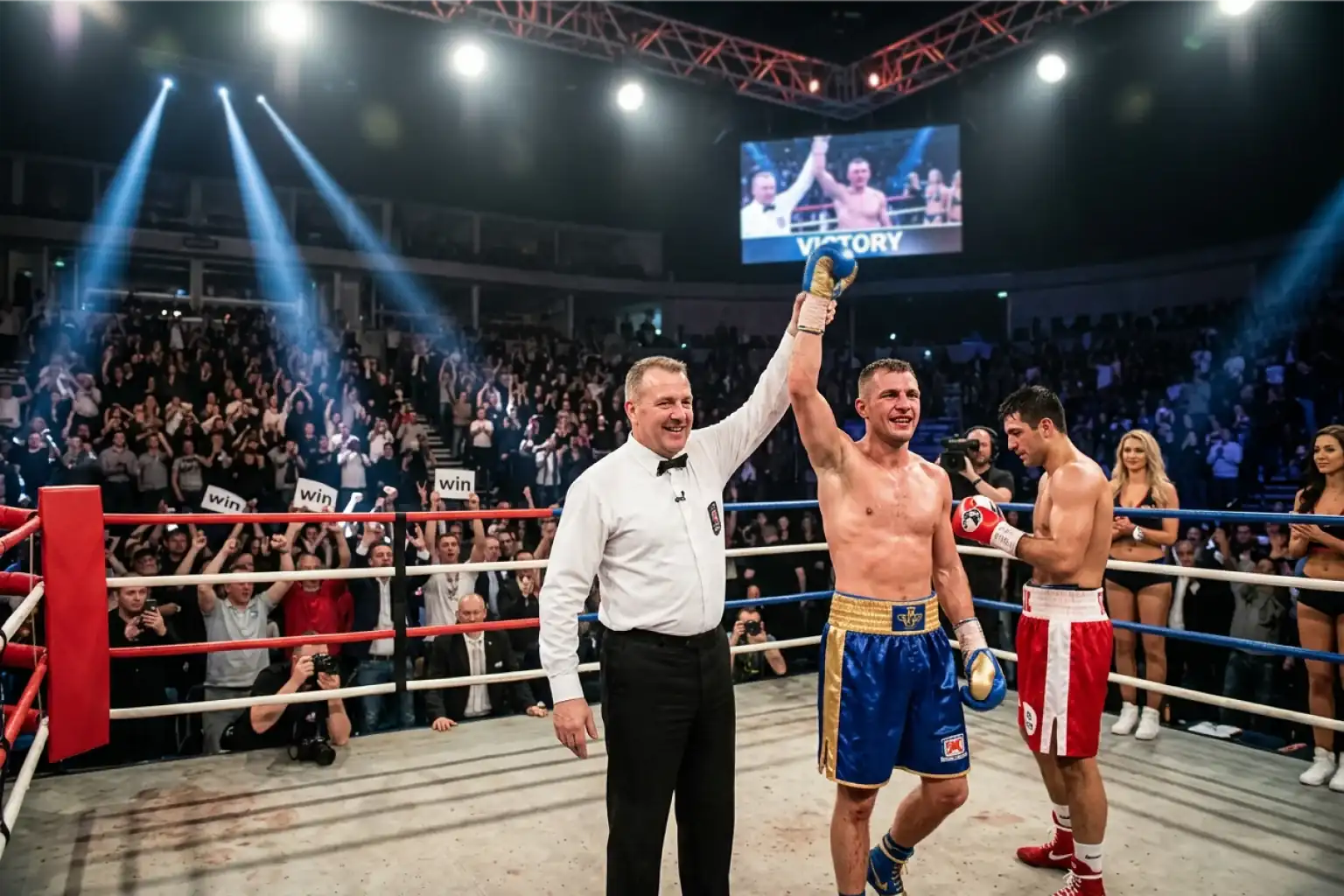
Boxing Rematch Betting: Adjustments and Second Fight Odds
 Available in US
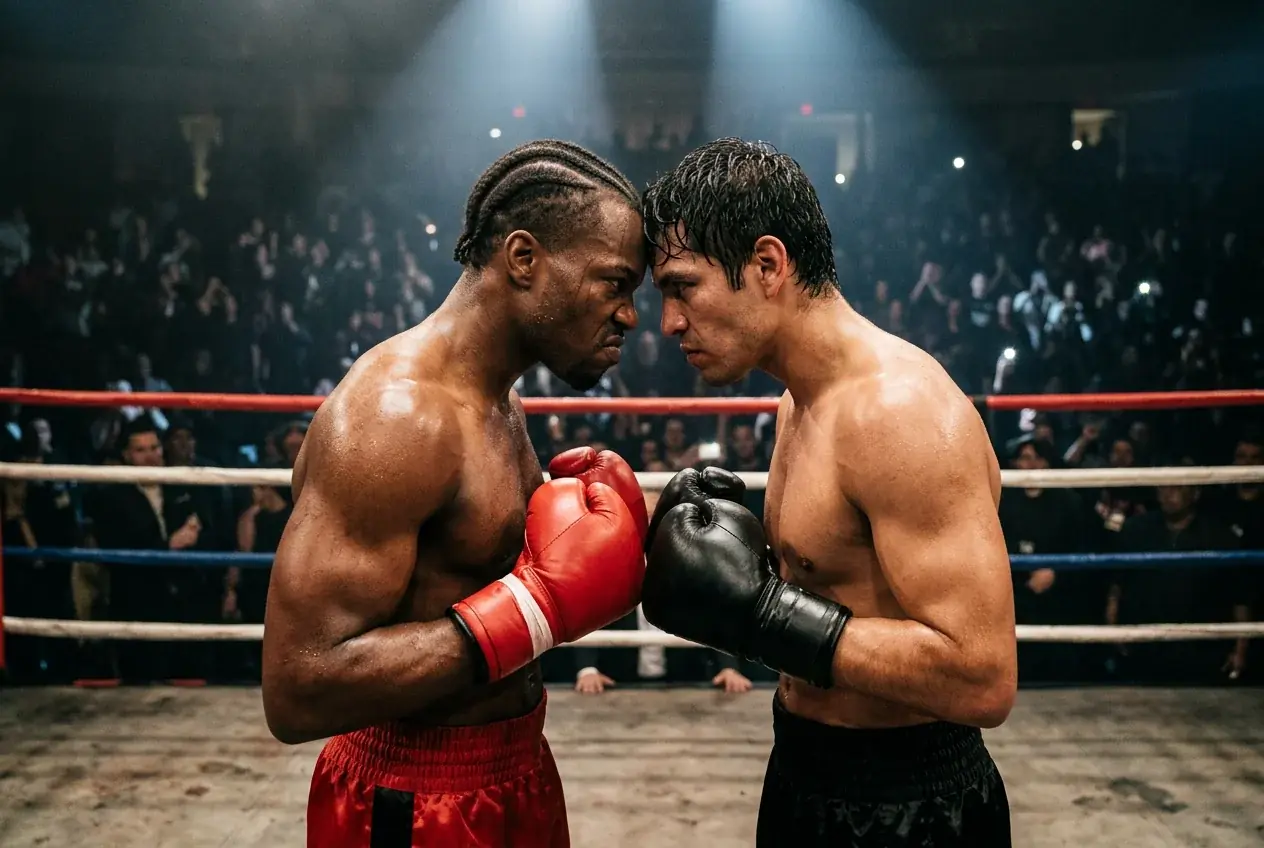
Tyson Fury and Deontay Wilder fought three times before boxing moved on. Each fight unfolded differently, prices shifted dramatically between contests, and the betting market struggled to incorporate lessons from prior bouts into subsequent odds. Rematches create unique analytical challenges because you possess information unavailable for first meetings while also facing fighters who have studied that same information.
The fundamental question in any rematch is simple: what changes? Both fighters watched the tape. Both camps identified what worked and what failed. Both will adjust. Your task as a bettor is assessing whose adjustments will prove more effective and whether the market has correctly priced these adaptations.
Rematch betting rewards those who move beyond surface-level narrative. The fighter who won the first bout often attracts public money reflexively, regardless of whether the circumstances that produced that victory will repeat. Conversely, the loser might implement changes that fundamentally alter the competitive dynamic. Understanding these nuances creates edge in rematch markets.
Boxing Rematches: Analyzing Fighter Adjustments
Game plan adjustments represent the most obvious changes between first meetings and rematches. A fighter who lost by being outboxed at range might come forward with pressure. A fighter who tired in late rounds might prioritise conditioning. A fighter who struggled with a southpaw stance might bring in southpaw sparring partners. These tactical evolutions can dramatically shift competitive dynamics.
Trainer changes sometimes occur between first fights and rematches, bringing new perspectives to familiar problems. A loss followed by a trainer switch signals serious intent to address whatever went wrong. Evaluating whether the new trainer possesses relevant expertise becomes part of rematch analysis. Some trainer changes produce immediate results; others require longer integration.
Physical changes accumulate between fights. A fighter might have matured physically, adding natural weight and power. Another might show early signs of decline that the first fight obscured. The layoff between bouts affects each fighter differently depending on age, injury status, and activity levels. Assessing these physical trajectories informs your view of how the rematch might differ.
Psychological dynamics shift after competitive interaction. The winner carries confidence from proven superiority. The loser carries either determination to prove the first result wrong or doubt about whether they can overcome their opponent. Reading these psychological states through pre-fight behaviour and historical response patterns adds another analytical dimension.
Analysing Rematch Value
Market memory creates systematic biases in rematch pricing. The winner of the first fight typically opens as favourite regardless of how that victory occurred. A controversial decision, a flash knockdown recovery, or a late-round surge all produce the same result on paper but imply very different rematch probabilities. Markets often fail to adjust adequately for fight circumstances.
Close first fights suggest genuine competitive balance that should produce near-even rematch odds. When two fighters split rounds relatively evenly, with the outcome decided by narrow margins, the rematch approaches a coin flip. Markets that price the first winner as significant favourite in these circumstances may offer value on the loser.
Dominant first fights create different dynamics. When one fighter clearly outclassed another, substantial adjustments are required to reverse the outcome. These adjustments might involve weight class changes, new trainers, or significant stylistic alterations. Without evidence of such changes, the dominant first victor likely deserves favouritism.
The strategic framework emphasises value identification, which becomes particularly interesting in rematches where clear recent data exists. You are not relying on extrapolation from different opponents; you have direct evidence of how these specific fighters interact.
Trilogy Betting
Third fights add another layer of complexity. By the trilogy bout, both fighters have won once or the series is about to become definitively conclusive. The pressure intensifies, the familiarity deepens, and the betting public has watched both previous contests.
The split-series trilogy offers unique value opportunities. When fighters are one-all, the rubber match approaches equilibrium unless one victory was clearly more legitimate than the other. Markets sometimes still favour the more recent winner despite series parity, creating potential value on the fighter seeking revenge.
Physical condition in trilogies often determines outcomes more than tactics. By the third fight, game plans have been thoroughly explored. What remains is execution under pressure, conditioned by accumulated wear from previous encounters. Assessing which fighter has absorbed more punishment across the series helps predict trilogy performance.
Trilogy fights tend to produce decisive outcomes. The familiarity breeds efficiency – both fighters know what works and wastes no time implementing it. Stoppage rates in trilogy bouts often exceed earlier meetings as fighters commit fully to strategies they know can succeed. This tendency affects method of victory and round betting markets.
Do winners of the first fight usually win the rematch?
Historical data suggests first-fight winners do win rematches more often than not, but the margin is smaller than casual perception suggests. Approximately 55 to 60 percent of rematches see the original winner prevail. This leaves substantial probability for reversals, particularly when first fights were close or circumstances have changed.
How should I adjust my analysis for a trilogy fight?
Trilogy analysis should weight recent performance heavily while considering accumulated damage across the series. Assess which fighter has shown adaptation ability, which has absorbed more punishment, and which showed better form in the more recent encounter. The third fight often rewards fighters who peak at the right moment.
The Rematch Specialist Approach
Some bettors develop particular expertise in rematch betting because the analytical requirements differ meaningfully from standard fight handicapping. The information set includes direct competitive evidence rather than inference from different opponents. This specificity allows more confident probability assessment for those who study rematches carefully.
I pay particular attention to what fighters and camps say about adjustments between bouts. Fighters sometimes reveal their planned changes explicitly; trainers discuss tactical emphasis in interviews. This public information provides clues about how the rematch might differ from the first meeting. Incorporating these signals into analysis improves rematch prediction.
The most valuable rematch bets come from identifying cases where market memory has overweighted first-fight results. When you see a close decision winner installed as heavy favourite in the rematch without compelling evidence of maintained superiority, the underdog often represents value. Trust your assessment of the competitive evidence over reflexive market response.
Rematches provide some of boxing’s most compelling narratives and betting opportunities. The direct competitive evidence reduces uncertainty compared to novel matchups while tactical evolution keeps outcomes genuinely unpredictable. Developing rematch-specific analytical skills adds a valuable tool to your betting repertoire.
Published by the box bet team.