Boxing Training Camp Betting: Fight Preparation and Intelligence
 Available in US
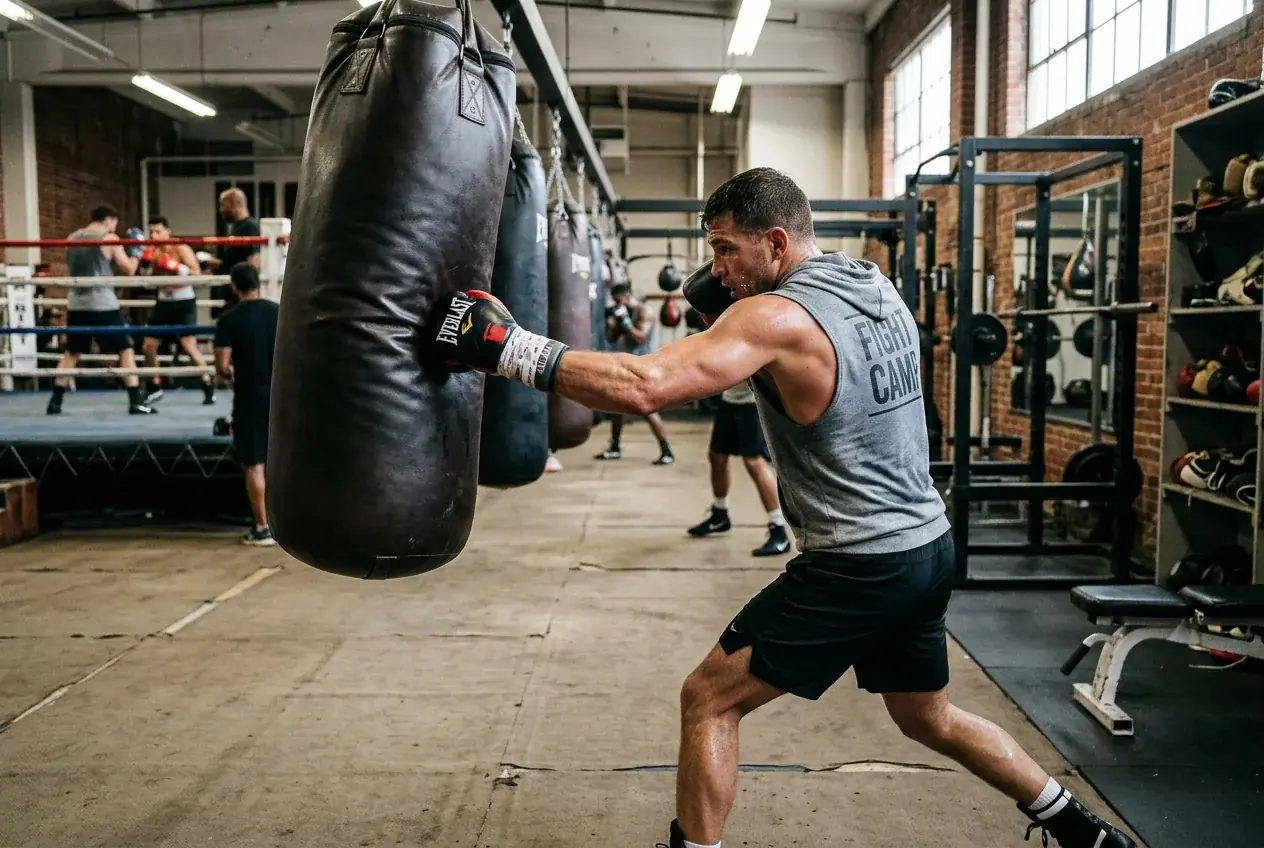
The best bet I ever made came from a training camp report. A highly regarded middleweight was preparing for a mandatory defence, but credible sources described chaotic preparation – sparring partners quitting, trainer disagreements, and visible conditioning issues in pad work footage. The fighter was still a significant favourite. I bet against him heavily, and he lost by stoppage in the seventh round. Camp intelligence converted into profit.
Training camp represents the period where fights are won or lost before fighters ever enter the ring. The quality of preparation, the specificity of sparring, the success of the weight cut, and the harmony of the training team all influence fight-night performance. For bettors willing to gather and interpret camp information, this phase provides valuable intelligence that general market pricing often ignores.
The challenge lies in separating genuine insight from promotional noise. Fighters and trainers have obvious incentives to project confidence regardless of camp reality. Media coverage can amplify minor issues into major concerns or dismiss significant problems. Developing reliable information sources and appropriate scepticism enables you to extract value from the noise.
Camp Intelligence Sources: Sparring and Weight Cut Reports
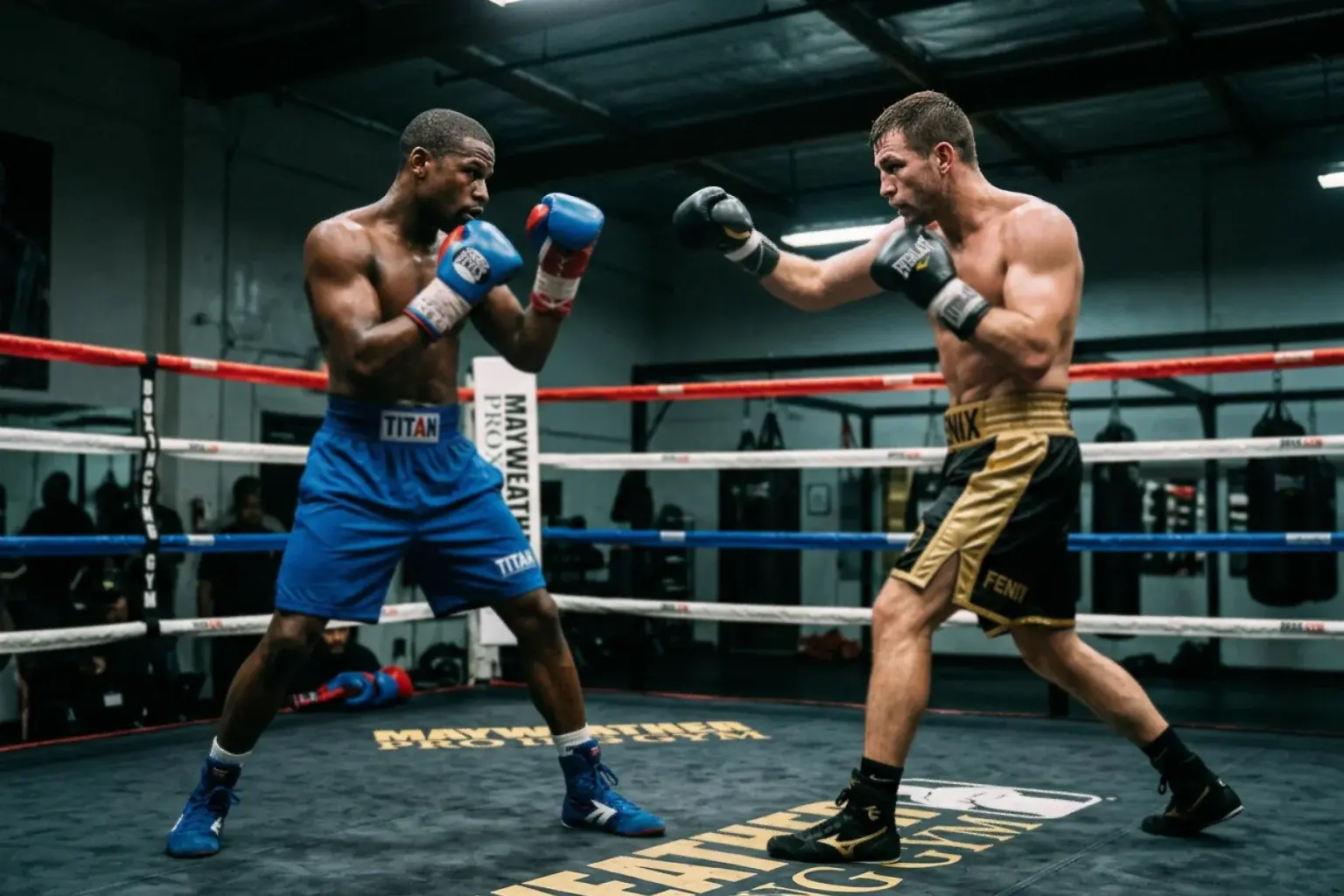
Sparring reports provide the most direct camp intelligence. Fighters typically bring in sparring partners who mimic upcoming opponents’ styles. How the fighter performs in these sessions – whether they dominate, struggle, or look sharp – offers genuine preview of fight-night readiness. Credible boxing journalists sometimes report sparring outcomes, particularly for major fights.
Social media footage from camps requires careful interpretation. Fighters share highlight clips showing them at their best. What they do not share might be more informative than what they do. A fighter who normally floods social media with training content suddenly going quiet might signal problems. Conversely, apparent struggles in shared footage might represent tactical misdirection.
Weight cut monitoring through weigh-in appearance and early fight week sightings provides physical condition intelligence. A fighter who appears drained at weigh-in likely struggled with the cut, potentially compromising rehydration and fight-night energy. A fighter who looks comfortable and healthy at weight suggests successful preparation.
Team dynamics affect camp quality in ways that outsiders might not immediately recognise. Trainer changes bring adjustment periods. Gym conflicts disrupt focus. Financial disputes create distraction. Following boxing media coverage helps identify these factors when they become public, though much remains hidden until results reveal underlying issues.
What Camp News Matters
Trainer changes close to fights represent significant developments. A new trainer needs time to implement their approach and build rapport. Changing trainers during camp or shortly before suggests underlying dissatisfaction with preparation. Unless the change addresses a specific problem that limited the fighter previously, last-minute trainer shifts typically signal trouble.
Injury reports carry obvious relevance but require verification. Every fighter enters the ring with some degree of physical wear. Distinguishing between normal accumulated damage and fight-limiting injury requires context. A hand injury to a power puncher matters more than to a defensive boxer. A leg injury affects a mover more than a stationary puncher.
Sparring intensity variations sometimes predict fight-night sharpness. Fighters who get pushed in sparring – who face genuine adversity from quality partners – often perform better than those who coast through camp against overmatched sparring. The analytical approach benefits from understanding how preparation quality translates to performance.
Personal life disruptions affect fighters differently, but major events close to fights can compromise focus. Deaths in the family, relationship breakdowns, legal issues, and financial stress all consume mental energy that should go toward preparation. These factors are difficult to weight precisely but deserve consideration when they become public.
Timing Camp-Based Bets
Early betting before camp information emerges captures prices unaffected by preparation intelligence. If you believe a fighter typically prepares well while their opponent historically struggles in camp, betting early locks in prices before camp reports potentially move the market.
Fight week betting incorporates maximum camp intelligence but faces tighter odds as information becomes public. The trade-off between information quality and price availability defines optimal timing. Major camp news might move markets substantially, eliminating value that existed earlier.
Weigh-in appearance offers final pre-fight intelligence. A fighter who looks dramatically different from expectations – significantly drained, unexpectedly heavy, or visibly unwell – provides last-minute information that might not yet be fully priced. Live markets at some bookmakers remain open until bell time, allowing weigh-in reaction.
Reverse line movement sometimes signals camp intelligence reaching sharp bettors before the public. If a fighter’s price shortens despite public money backing their opponent, informed money might possess camp intelligence driving the movement. Monitoring line changes alongside public betting percentages reveals these discrepancies.
How reliable are sparring reports for betting?
Sparring report reliability varies considerably based on source credibility. Reports from established boxing journalists with verified gym access provide genuine insight. Social media claims from anonymous sources deserve scepticism. Even credible reports represent single data points that might not predict fight performance accurately.
Should I change my bet based on weigh-in appearance?
Weigh-in appearance provides useful information but rarely justifies complete position reversal. Fighters who appear drained face elevated risk but still might win. Use weigh-in observations to adjust confidence levels and potentially hedge existing positions rather than dramatically shifting direction based on visual assessment alone.
The Information Game
Camp intelligence betting involves competing against others who seek the same information. When sparring reports become widely known, their value for betting diminishes because the market incorporates them. Value exists in the gap between when you obtain information and when the market prices it.
Developing reliable sources takes time and persistence. Following credible boxing journalists, engaging with knowledgeable communities, and building pattern recognition for promotional versus genuine content all contribute to information advantage. This investment produces returns only over extended periods.
Maintain appropriate humility about camp information’s predictive value. Preparation does not guarantee performance. Fighters overcome bad camps to win impressive victories. Fighters squander excellent preparation through fight-night failures. Camp intelligence improves your probability estimates; it does not provide certainty.
Integrate camp analysis with all other factors rather than treating it as a standalone system. A fighter’s fundamental ability, stylistic matchup, and historical patterns matter alongside preparation quality. Camp intelligence adds nuance to existing assessments rather than replacing them. The goal is better-calibrated probability estimates that produce long-term edge.
Written by the editors at box bet.