CompuBox Boxing Stats: Using Punch Data for Betting Analysis
 Available in US
The first time I incorporated CompuBox data into my fight analysis, I felt like I had discovered a cheat code. While other bettors debated fighter reputations and promotional hype, I was calculating punch connect percentages and comparing activity rates across opponents of similar calibre. The advantage was tangible – not overwhelming, but consistently present. Data has that effect when you understand what it actually means.
CompuBox has measured professional boxing since the 1980s, establishing itself as the industry standard for punch statistics. Two operators sit ringside with specially designed computers, manually counting every punch thrown and landed by both fighters throughout the bout. The resulting data tells stories that escape casual observation: who truly controlled the action, whose defence proved most effective, which rounds swung on volume versus accuracy.
Consider the financial stakes involved. Tyson Fury has earned approximately £362.7 million across his career, which researchers calculated to roughly £147,559 per accurate punch landed. That number represents career earnings divided by CompuBox-recorded connections – a statistic that illustrates both the value of landing clean and the importance of understanding how fighters accumulate those connections.
CompuBox Metrics: Measuring Jabs and Power Punches
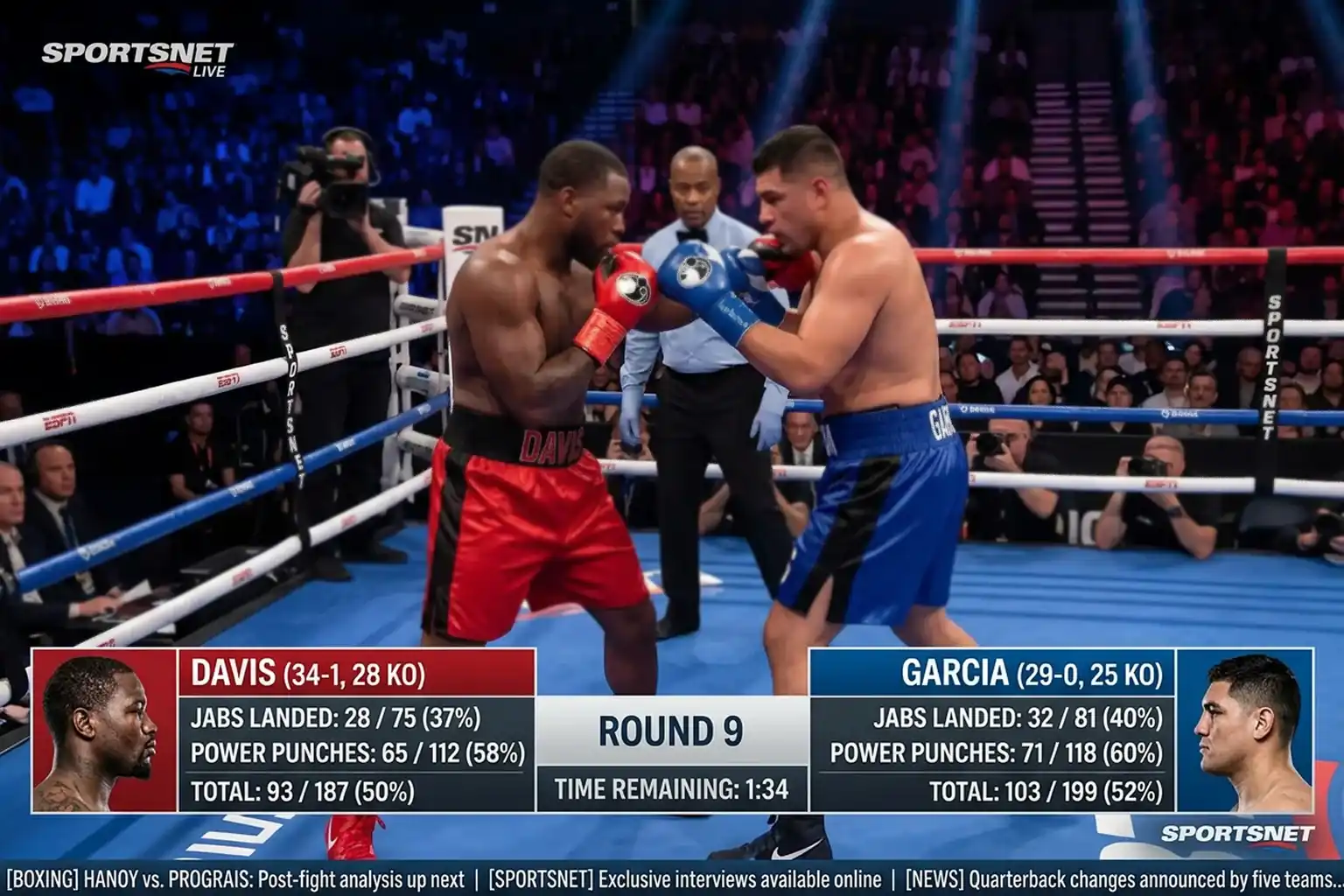
The system divides punches into two categories: jabs and power punches. Jabs include any straight punch thrown from the lead hand. Power punches encompass everything else – hooks, uppercuts, and crosses from either hand, as well as any punch thrown with evident intent to cause damage. This distinction matters because the strategic implications differ substantially.
For each category, CompuBox records both punches thrown and punches landed. The ratio between these numbers produces the connect percentage that appears in broadcast graphics. A fighter who throws 200 jabs and lands 60 has a 30 percent jab accuracy. Comparing these percentages across fighters and fights reveals patterns invisible to the naked eye.
Round-by-round breakdowns add another analytical layer. A fighter might dominate early on volume but fade in later rounds as fatigue accumulates. Another might start slowly before taking control as his opponent tires. These patterns, documented numerically, inform predictions about how future fights might unfold against different opposition.
The totals matter less than the context. Landing 150 punches sounds impressive until you learn the opponent landed 200. Throwing 600 punches means nothing if only 25 percent connect. CompuBox numbers require interpretation through the lens of opposition quality, fight circumstances, and stylistic context.
Translating Punch Stats to Betting Decisions
High-volume fighters who maintain accuracy across twelve rounds typically win decisions. This sounds obvious when stated directly, but the betting implications run deeper than the surface. If a fighter consistently outworks opponents while maintaining reasonable connect rates, the decision market offers value when his odds drift due to knockout-focused public perception.
Conversely, power punch percentage correlates with stoppage potential. Fighters who land their heavy shots at rates above 40 percent tend to produce knockdowns and finishes more frequently than those connecting on fewer power punches. When assessing method of victory markets, power punch accuracy provides more predictive value than raw knockout percentages, which can be skewed by opposition quality.
The Fury example I mentioned illustrates another dimension. His efficiency – earning massive purses while throwing relatively fewer punches than many peers – reflects a style that frustrates opponents into mistakes. CompuBox data confirms that Fury absorbs fewer shots than most heavyweights while landing his own punches at elite rates. This efficiency translates into durability and longevity, factors that should inform your assessment of how he might perform in later rounds.
I use CompuBox data to identify mismatches that the market undervalues. When a fighter with documented high output faces a competitor with historical struggles against volume punchers, the stylistic clash becomes quantifiable. The strategic framework for betting benefits from this objective foundation that complements subjective fight analysis.
Limitations of Punch Statistics
CompuBox data comes with significant limitations that honest analysis must acknowledge. The measurement process involves human operators making real-time judgements about whether punches landed cleanly. Error rates are inevitable, and different operators might code identical punches differently. The statistics provide useful approximations rather than perfect measurements.
Stylistic variations complicate comparisons across fighters. An awkward, unorthodox fighter might connect at rates that seem low because many of his effective shots are glancing blows that do not register as clean connections. Meanwhile, a textbook technician might post impressive accuracy numbers while rarely hurting opponents because his punches lack genuine stopping power.
Sample size issues affect reliability for less active fighters. A championship-level boxer who fights twice yearly might have only ten or fifteen CompuBox-tracked bouts across his prime years. Drawing conclusions from such limited data requires caution. The statistics from a single fight against an unusual opponent might skew aggregate numbers significantly.
Additionally, CompuBox data availability varies by broadcast and promotion. Not every fight receives CompuBox coverage, particularly at lower levels of the sport. This creates gaps in data that might affect your analysis of fighters who have competed primarily on non-televised cards or international shows without CompuBox presence.
Where can I find CompuBox statistics?
CompuBox statistics appear during televised broadcasts on networks like Sky Sports, ESPN, and DAZN. Post-fight numbers are published on CompuBox’s social media accounts and picked up by boxing news sites. Historical data for major fighters is often compiled by boxing statistics websites and research databases.
Are CompuBox stats available during live betting?
CompuBox round-by-round statistics typically display during broadcast coverage, which means attentive viewers can incorporate this data into live betting decisions. However, the statistics update at round breaks rather than continuously, and there is typically a slight delay between rounds ending and numbers appearing on screen.
Building CompuBox Into Your Process
The most productive approach treats CompuBox data as one input among many rather than a definitive source. Punch statistics inform but do not determine betting decisions. They help you identify patterns worth investigating, confirm or challenge subjective impressions, and quantify stylistic advantages that otherwise remain abstract.
When I handicap a fight, CompuBox data typically enters my analysis midway through the process. I form initial impressions from watching fights, reading credible analysis, and understanding promotional context. Then I check the numbers to see whether my impressions align with documented patterns. Discrepancies between what I think I see and what the data shows prompt deeper investigation.
Keep a database if you take boxing betting seriously. Record CompuBox numbers for fighters you follow, note opposition quality, and track how statistics correlate with outcomes over time. Patterns emerge that generic analysis misses. This systematic approach transforms punch statistics from interesting trivia into actionable intelligence.
The data exists; the edge comes from interpretation. CompuBox tells you what happened. Understanding why it happened, and what it implies for future fights, remains the bettor’s responsibility. That interpretive layer is where genuine value lives, and where time invested pays dividends.
Written by the editors at box bet.