Southpaw vs Orthodox Boxing Betting: Stance Matchup Odds
 Available in US
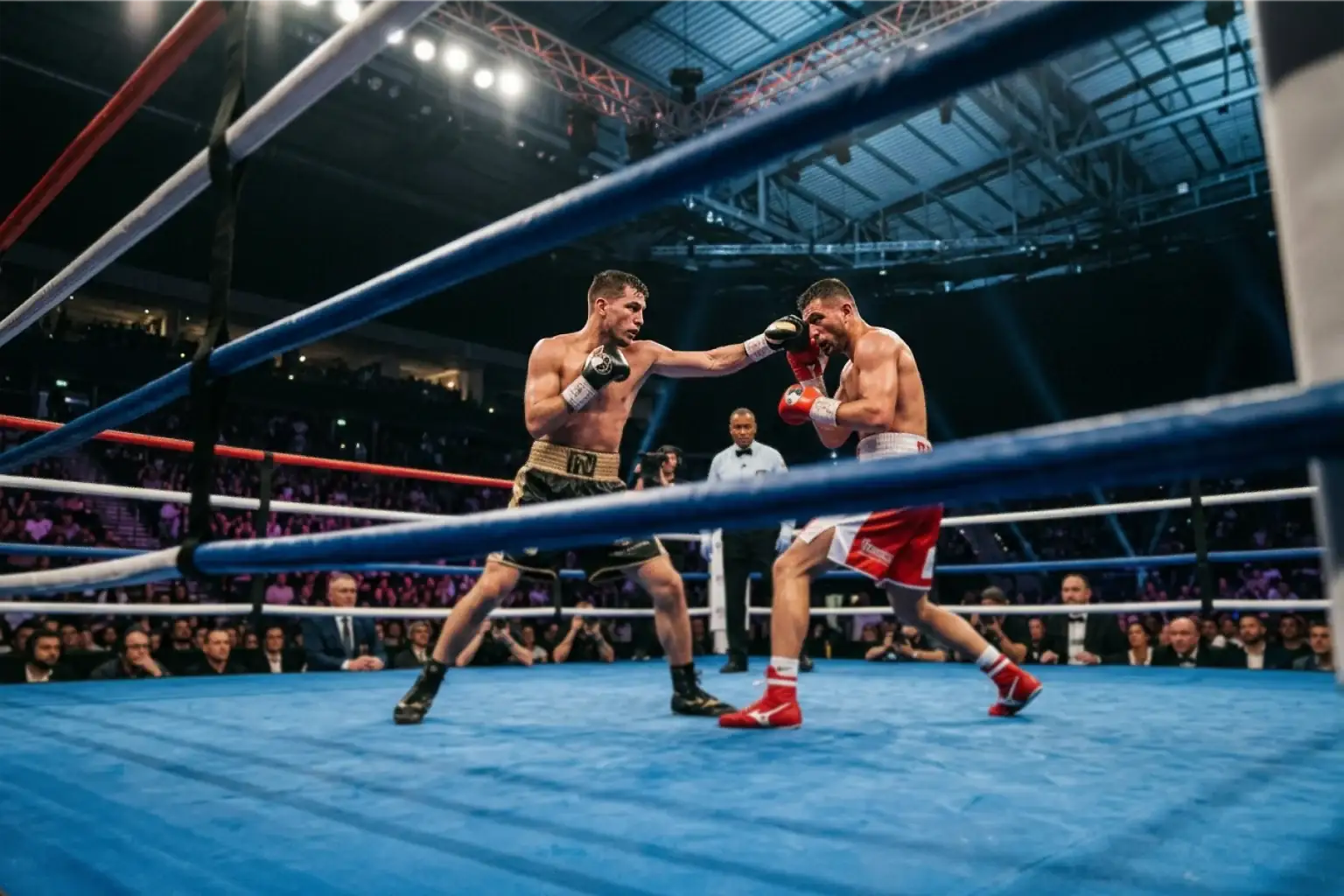
The left-hander advantage is well-documented across sports, but nowhere does it create more tangible betting implications than boxing. Southpaws face orthodox opponents constantly throughout their development, building comfort in the matchup that orthodox fighters rarely reciprocate. This asymmetry of experience produces patterns that informed bettors can exploit.
Understanding how stance affects fight dynamics adds a layer of analysis that many bettors overlook. The angles change when a southpaw faces an orthodox fighter. The jab takes different trajectories. The power hand comes from unexpected directions. Fighters unprepared for these adjustments struggle, sometimes against opponents they would handle easily in a same-stance matchup.
This article examines how stance matchups influence outcomes and how to incorporate stance analysis into your boxing betting approach.
Stance Matchup Dynamics: Southpaw vs Orthodox Stats
The fundamental geometry differs between same-stance and opposite-stance matchups. When two orthodox fighters meet, both operate from the same spatial perspective. Lead foot positions mirror each other, creating familiar angles for both competitors. The adjustments required are tactical rather than geometric.
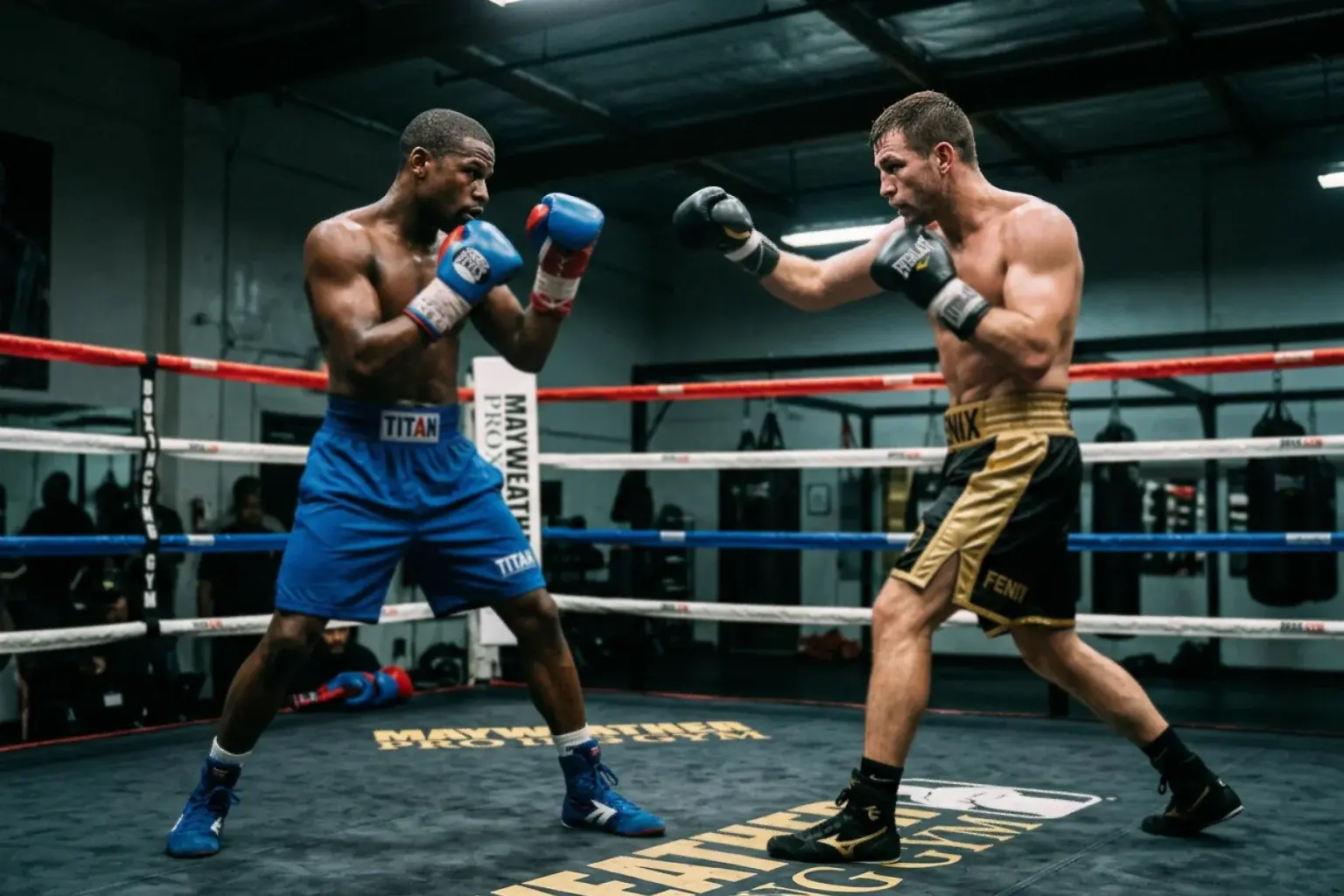
Opposite-stance matchups – southpaw versus orthodox – create what trainers call the open-stance position. Both fighters’ lead feet occupy outside positions, and the battle for foot positioning becomes critical. The fighter who controls foot placement typically controls the fight, landing their rear hand more effectively while avoiding their opponent’s power.
The rear-hand corridor opens more directly in opposite-stance matchups. Orthodox fighters land straight rights against other orthodox opponents by timing moments of defensive lapse. Against southpaws, that same straight right travels a more natural path unless the southpaw defends specifically against it. The same applies to the southpaw’s left hand against orthodox opponents.
Clinching patterns differ as well. Same-stance clinches involve familiar body positioning. Opposite-stance clinches feel awkward for fighters without specific training. Referees sometimes break these clinches differently, and fighters escape them differently. These micro-dynamics accumulate across twelve rounds.
The Southpaw Betting Edge
Southpaws benefit from familiarity asymmetry. Left-handed boxers comprise roughly ten percent of the fighting population, meaning orthodox fighters face southpaws infrequently. Southpaws, conversely, face orthodox opponents almost exclusively. This experience gap creates confidence and comfort that translates into ring performance.
Historical data supports southpaw advantage in opposite-stance matchups, though the magnitude varies by study and sample. The edge is not overwhelming – southpaws do not win every opposite-stance fight – but exists consistently enough to inform handicapping. When an orthodox fighter without documented southpaw experience faces a capable southpaw, consider whether the market appropriately prices the stance factor.
The advantage diminishes at championship level where fighters receive comprehensive preparation including significant southpaw sparring. Elite orthodox fighters have faced numerous southpaws throughout their careers and trained specifically for the stance. The experience gap that exists at lower levels narrows considerably among the best fighters.
Switch hitters – fighters comfortable in both stances – complicate stance analysis entirely. A fighter who can switch between orthodox and southpaw during a bout eliminates the geometric advantages their opponent might prepare for. These versatile fighters present different challenges than pure southpaws or orthodox fighters.
Stance-Based Betting Strategies
Identify orthodox fighters with limited southpaw experience when they face capable left-handers. The analytical framework for assessing fighters should include stance considerations alongside all other factors. Review records for previous southpaw opponents and outcomes.
Method of victory betting can incorporate stance dynamics. The rear-hand power corridor that opens in opposite-stance matchups suggests elevated knockout probability when both fighters possess significant power in their rear hand. Orthodox fighters’ straight right and southpaws’ straight left both travel cleaner paths, meaning knockouts might occur more frequently than same-stance matchups between similar fighters.
Round betting adjustments might reflect timing of stance adjustment. Orthodox fighters often struggle early against southpaws while lacking time to adapt. Later rounds might favour the orthodox fighter if they successfully decode the geometry during the fight. This pattern – if you believe it applies to a specific matchup – could inform grouped round betting.
Live betting creates stance-related opportunities when fighters visibly struggle with unfamiliar geometry. An orthodox fighter who looks uncomfortable in early rounds might offer value as a comeback candidate if you believe adaptation will occur. Conversely, a southpaw who has established dominance through stance advantage might offer value to consolidate that position.
Do southpaws really have an advantage in boxing?
Statistical evidence supports a modest southpaw advantage in opposite-stance matchups, attributed primarily to familiarity asymmetry. Southpaws face orthodox opponents throughout their development while orthodox fighters encounter southpaws infrequently. This experience gap creates comfort and confidence advantages that influence fight outcomes.
How do I find out a fighter’s stance?
Fighter stances appear in official record databases like BoxRec, which lists stance as part of fighter profiles. Fight broadcast graphics typically display stance information. For less prominent fighters, watching previous bout footage quickly reveals stance. Most fighters maintain consistent stance throughout their careers.
Beyond the Stance Factor
Stance represents one variable among many that determine fight outcomes. A significantly better orthodox fighter defeats a mediocre southpaw regardless of stance dynamics. The southpaw advantage operates at margins – it might swing close fights or explain unexpected difficulties for orthodox favourites – but does not override fundamental skill and ability differences.
Incorporate stance into your holistic assessment rather than treating it as a standalone betting system. Ask whether the stance matchup favours one fighter and whether that factor is reflected in the odds. When you identify situations where stance provides meaningful advantage that the market underweights, you have found potential value.
Experience against specific stances matters more than general stance considerations. An orthodox fighter who has defeated multiple quality southpaws has demonstrated comfort in the matchup regardless of general population tendencies. Individual preparation and experience trump statistical averages when assessing specific fighters.
Training camp preparation for opposite-stance opponents deserves attention in your research. Fighters who bring in appropriate sparring partners – orthodox camps recruiting southpaws for fighters facing southpaws – demonstrate tactical seriousness. The absence of such preparation might explain why some fighters struggle despite apparent skill advantages.
The jab takes on different significance in opposite-stance matchups. Establishing a jab against a same-stance opponent follows familiar patterns. Against opposite stance, the jab corridor shifts, and fighters must adjust timing and targeting. Watch for fighters who struggle to establish their jab early in opposite-stance fights – this struggle often predicts broader difficulties as the fight progresses.
Body work becomes more challenging in opposite-stance configurations. The angles for landing body shots change, and defensive responsibility shifts between hands. Fighters who rely heavily on body attack might find their effectiveness reduced against opposite-stance opponents, affecting both method of victory and round predictions.
The sweet science reveals its depth in factors like stance dynamics. Understanding how geometry, experience, and positioning affect fights adds sophistication to your analysis that casual bettors lack. This sophistication produces better probability estimates, and better estimates produce better betting outcomes over time.
Created by the ”box bet” editorial team.