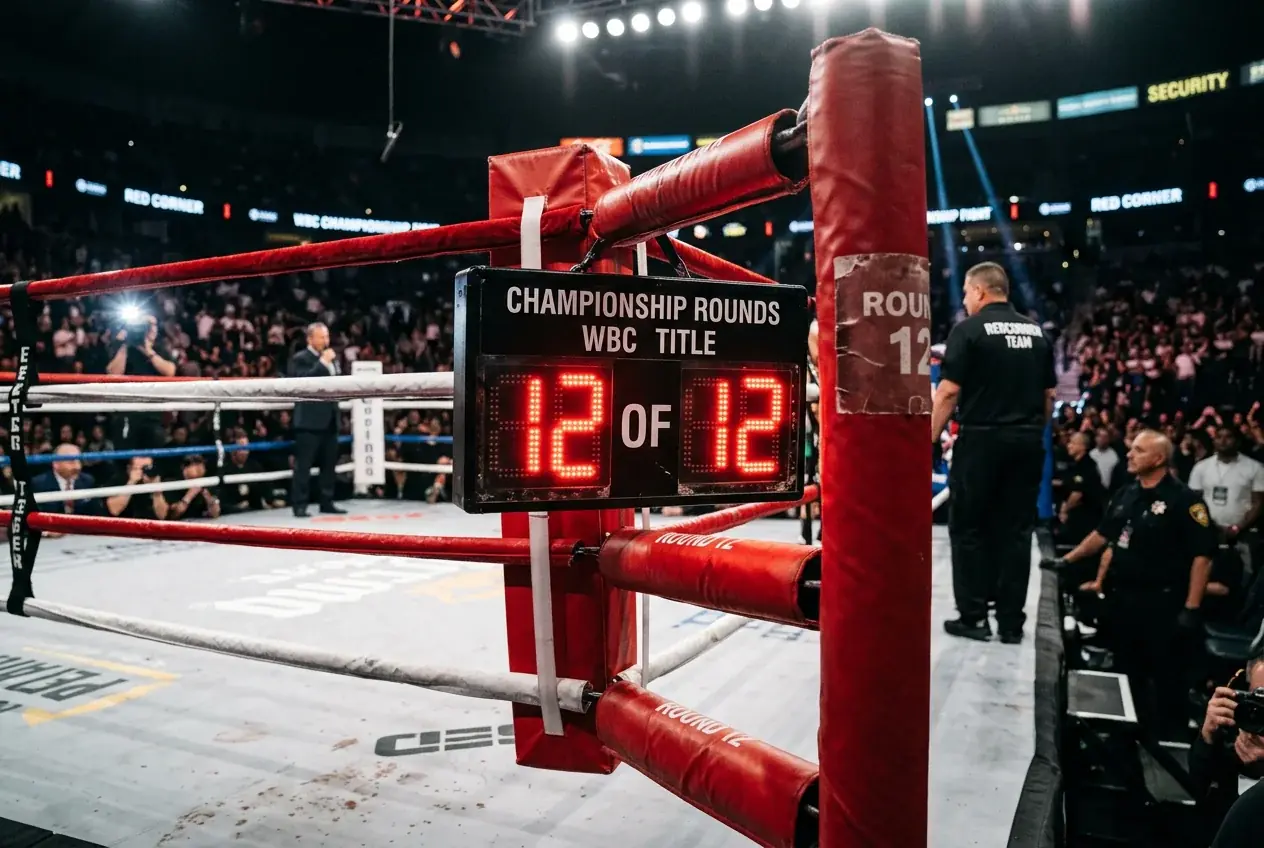
Round Betting Boxing: Exact Round and Grouped Wagering Odds
 Available in US

The first time I hit an exact round bet, I thought I had cracked the code. Forty-to-one on a seventh-round stoppage, and my fighter delivered precisely as predicted. The euphoria lasted about three weeks until I lost the next five exact round bets in succession and gave back everything plus interest. That painful education taught me the fundamental truth about round betting: it offers the highest potential returns in boxing, but only disciplined approaches survive the variance.
Round betting occupies a unique space in boxing markets. Unlike fight winner or method of victory wagers, you are predicting not just what happens but precisely when it happens. This additional specificity dramatically increases both risk and reward. A fighter might dominate every round, clearly heading toward a stoppage, and then finish the job thirty seconds earlier or later than your prediction. Close counts for nothing when you have backed round eight and the referee waves it off in round seven.
The market exists in two primary forms: exact round betting and grouped rounds. Understanding when each approach makes sense, and when neither does, separates profitable round bettors from those who simply enjoy the lottery ticket aspect of these markets.
Exact Round Betting Mechanics: Value Calculation
Exact round betting is precisely what the name suggests: you select a specific round for the fight to end. If you back Fighter A to win in round four, you need that fighter to score a stoppage during the fourth round specifically. A third-round knockout loses. A fifth-round retirement loses. Only the fourth-round finish pays.
The odds reflect this difficulty. Exact round prices typically range from ten-to-one at the short end for heavy favourites in early rounds up to fifty-to-one or higher for later rounds or less likely scenarios. I have seen triple-digit odds offered on exact round outcomes in closely matched fights where neither competitor has significant stopping power.
When does exact round betting make sense? Honestly, rarely. The variance is brutal, and even strong analytical edges get diluted across the twelve possible outcomes in a championship fight. I reserve exact round bets for situations where I have unusual confidence in timing – perhaps a fighter with a documented pattern of finishing opponents at a specific point, or a matchup where conditioning questions suggest a predictable fade.
One approach I have used with modest success involves identifying fighters who consistently finish opponents in the same round window. Some fighters are slow starters who apply pressure after feeling out their opponent. Others jump on early advantages and rarely let fights extend past the first third. This historical pattern recognition, combined with opponent analysis, occasionally produces exact round opportunities worth pursuing.
Grouped Rounds: Reducing Variance
When I finally accepted that exact round betting was hemorrhaging my bankroll, I shifted toward grouped rounds markets. The standard groupings run one through three, four through six, seven through nine, and ten through twelve. Instead of predicting the precise moment of stoppage, you are predicting the phase of fight in which it occurs.
The mathematics immediately improve. Rather than needing one specific round from twelve possibilities, you cover three rounds simultaneously. This naturally compresses the odds – a fighter priced at twenty-to-one for an exact round six finish might trade at six-to-one for a rounds four through six grouped outcome. The potential payout decreases, but the probability of collection increases proportionally.
Gervonta Davis illustrates how stoppage patterns inform grouped round betting. With a 90.3 percent knockout rate, the question is not whether Tank will stop his opponent but when. Analysing his historical finishes reveals clustering in specific phases. Against durable opponents, he tends to break them down before delivering the finish in the middle rounds. Against less seasoned competition, first-round devastation is common. This pattern recognition translates directly into grouped round selection.
I approach grouped rounds with a simple framework. First, establish whether a stoppage is likely at all. If both fighters have decision-heavy records and defensive styles, the grouped rounds market offers poor value regardless of which segment you select. Second, identify the probable phase based on fighter tendencies. Pressure fighters who rely on volume typically finish later than explosive punchers who load up early. Third, compare your probability estimate against the implied odds. If you believe rounds four through six represent a forty percent chance and the market prices it at thirty percent implied, you have found value.
Analysing Stoppage Patterns for Round Selection
The data tells stories that casual observers miss. I maintain records on stoppage timing by weight class, and the patterns prove remarkably consistent. Heavyweight fights end earlier on average than welterweight contests. Fighters returning from long layoffs tire more predictably in later rounds. Championship experience correlates with ability to weather early storms and extend fights.
Early stoppages – rounds one through three – typically result from one of two scenarios. Either a significant power disparity exists between the fighters, allowing one to overwhelm the other before defensive adjustments occur, or one fighter enters the ring compromised by poor preparation, weight cutting issues, or unannounced injuries. Betting early grouped rounds means betting on mismatches or hidden problems.
Middle round stoppages – rounds four through six – often reflect accumulated damage. The fight has progressed long enough for the better fighter to establish control, break down defences, and create openings. Body work pays dividends here. Fighters who invest in body shots early typically finish opponents in this window as the cumulative effect saps energy and lowers hands.
Late stoppages – rounds seven through twelve – tell a different story. These typically involve conditioning advantages where one fighter simply cannot maintain pace. They also occur when a trailing fighter takes desperate risks to turn the fight around, abandoning defence and walking onto punches. Championship rounds produce drama precisely because fighters know they need stoppages to alter scorecards.
The comprehensive boxing betting guide covers fighter analysis in detail, but for round betting specifically, I emphasise recent form over career statistics. A fighter who finished five of his first ten opponents early but has gone the distance in his last four appears to have evolved tactically. The market might still price him as an early finisher based on aggregate numbers, creating value on later grouped rounds or the decision.
How does round group betting work?
Round group betting allows you to select a range of rounds rather than one specific round for a stoppage. Standard groups are rounds 1-3, 4-6, 7-9, and 10-12. Your bet wins if either fighter scores a stoppage during any round within your selected group. This reduces variance compared to exact round betting while maintaining attractive odds.
What is the most profitable round betting strategy?
Grouped rounds consistently outperform exact round betting for most bettors due to reduced variance. The most profitable approach involves identifying fighters with clear stoppage patterns, calculating your probability estimates for each round group, and betting only when market odds exceed your assessed probability. Selectivity matters more than volume in round betting.
Making Round Bets Work Within Your Bankroll
Round betting should occupy a small percentage of your overall boxing betting activity. The variance is simply too high for these wagers to form a consistent foundation. I allocate no more than ten percent of my fight-night bankroll to round betting, and that allocation only activates when I identify genuine edges.
The grouped rounds approach has served me well because it balances the attractive odds of round betting against the practical reality of prediction difficulty. I hit enough of these bets to maintain profitability without requiring the precision that exact round betting demands. When I do venture into exact rounds, I stake minimally and treat the bet more as entertainment than investment.
Trust the patterns you identify, but verify them constantly. Fighter styles evolve, age affects finishing ability, and matchups create unique dynamics that historical data cannot fully capture. Round betting rewards those who combine rigorous analysis with honest acknowledgment of uncertainty. Nobody predicts fight timing with consistent accuracy, but understanding probabilities better than the market does generates long-term edge.
Published by the box bet team.