Cash Out Boxing Betting: Securing Early Profits In-Play
 Available in US
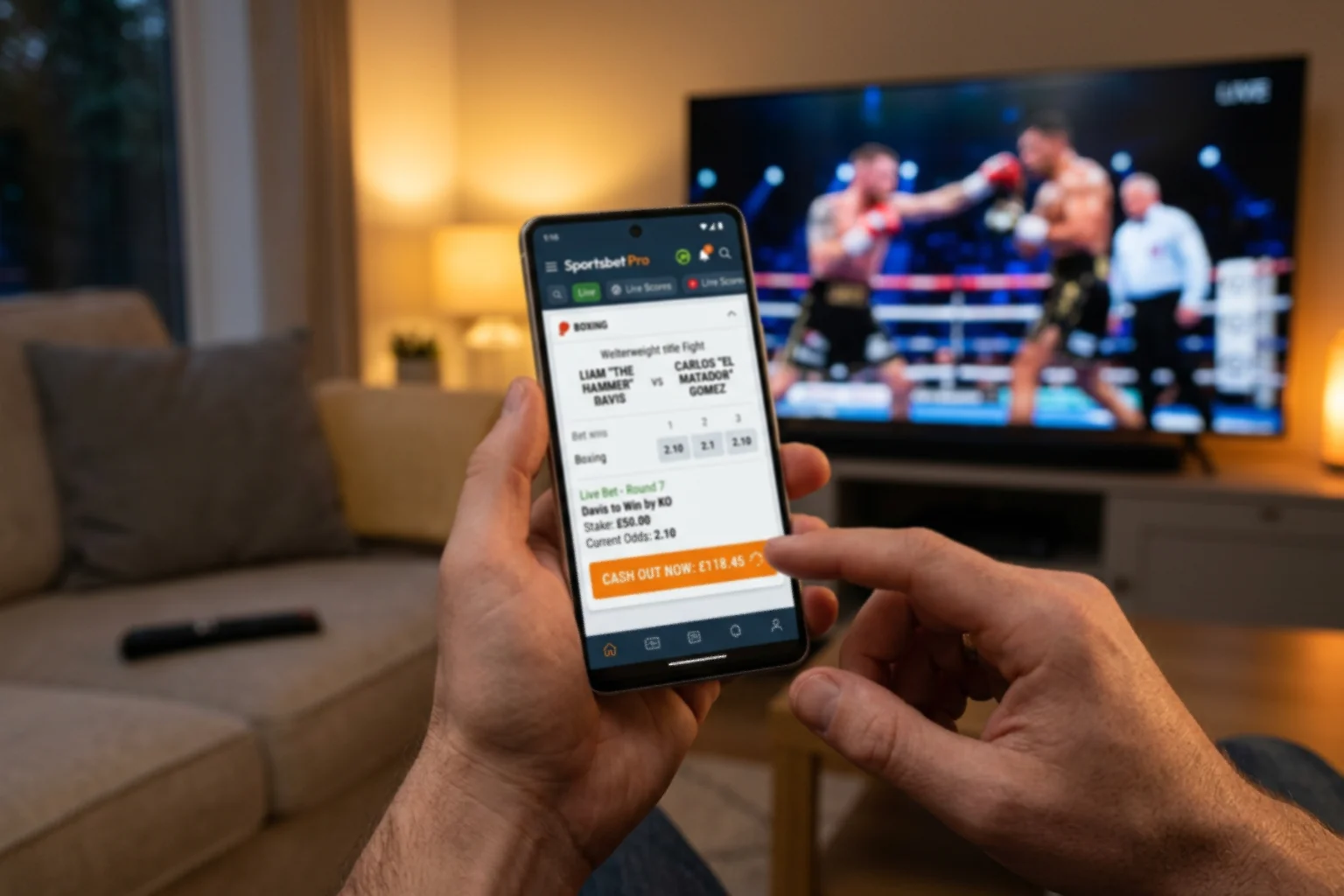
Round seven, my fighter is winning clearly on the scorecards, and the cash out offer shows £180 guaranteed versus a potential £240 if he holds on for five more rounds. A single punch could end everything. Five rounds is an eternity in boxing. My finger hovered over the button while I calculated whether taking the certain money made mathematical sense. That moment captures the essential tension of cash out betting in boxing.
Cash out allows you to settle bets before their natural conclusion, accepting a reduced payout to eliminate remaining risk. Bookmakers calculate the offer based on current odds, remaining probability, and their own margin. The feature adds flexibility to betting that did not exist when all wagers simply won or lost at final settlement.
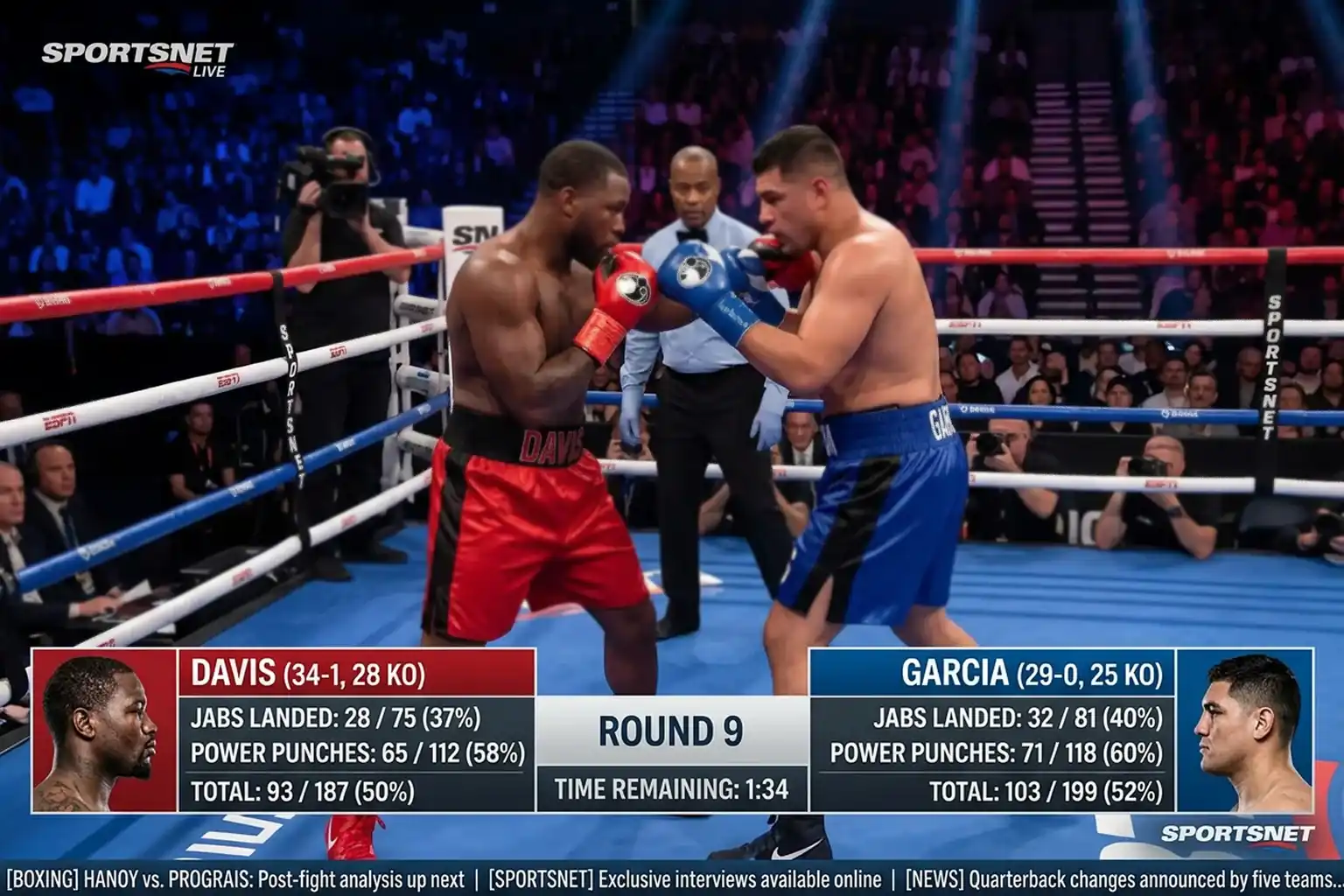
Boxing presents particularly interesting cash out scenarios because fight momentum shifts visibly and dramatically. Unlike football where a goal might represent incremental progress, a boxing knockdown can transform the entire contest. These sharp momentum changes create cash out opportunities and dilemmas that other sports rarely match.
Cash Out Mechanics: Managing Live Boxing Bets
The cash out offer represents what the bookmaker will pay to close your bet early. If you backed a fighter at 3.00 odds and they are now winning convincingly, the bookmaker offers less than your potential full payout but more than your stake. The exact amount reflects their real-time assessment of the remaining probability adjusted for their margin.
Partial cash out allows you to settle a portion of your bet while leaving the remainder active. If offered £180 cash out, you might take £90 (half) while keeping £120 potential payout at risk. This flexibility lets you secure partial profit while retaining exposure to the full outcome. Not all bookmakers offer partial cash out, and availability sometimes varies by market.
Cash out values change continuously based on fight developments. Between rounds in a boxing match, the offer might shift dramatically based on the preceding round’s action. A fighter who dominates round eight sees their opponent’s cash out value collapse, while their own backers see improved exit opportunities. This dynamic pricing creates decision windows throughout the fight.
The live betting dynamics interact closely with cash out considerations. The same fight developments that shift live odds also shift cash out values, creating interconnected opportunities for those who monitor both.
When to Cash Out
Injury concerns justify cashing out regardless of mathematical considerations. If your fighter suffers a visible cut that might stop the fight, faces a damaged eye, or shows signs of physical distress, the risk calculus shifts dramatically. What looked like a comfortable lead becomes precarious. Securing profit before medical intervention potentially ends your bet makes practical sense.
Momentum shifts that suggest turning tides warrant cash out consideration. A fighter who dominated early rounds but appears to be fading, an opponent who has found their range and timing, or a clear tactical adjustment that is working – these developments increase remaining risk beyond what the cash out offer might reflect. Trust your fight reading.
Accumulator situations create compelling cash out logic. If four of five legs have won and the final leg looks uncertain, cashing out guarantees profit from a bet that could still completely fail. The mathematics of accumulator cash out often favour early settlement because the remaining single-leg risk disproportionately affects outcomes.
Emotional state matters for cash out decisions. If the stress of watching the remaining fight would significantly affect your wellbeing, cashing out provides peace of mind with genuine monetary value. Betting should enhance enjoyment, not create anxiety. Sometimes the psychological benefit of certainty exceeds the expected value of holding.
Cash Out Mathematics
The fundamental question is whether the cash out offer exceeds your own probability estimate of the remaining outcome. If you believe your fighter has an 80 percent chance of maintaining their lead and the cash out represents 70 percent of full payout, the expected value favours holding. If you believe they have only a 60 percent chance, cashing out captures value.
Bookmaker margins reduce cash out offers below mathematically fair levels. They take commission on the transaction, meaning you consistently receive slightly less than true fair value. This margin means holding often beats cashing out for bettors who can accurately assess remaining probability. The emotional comfort of certainty comes at a small but real cost.
Diminishing returns apply as your position strengthens. When your fighter wins the first two rounds, the cash out offer might be modest – say twenty percent above your stake. By round ten with a commanding lead, the offer approaches ninety percent of full payout. The proportional benefit of cashing out increases as your position improves because less remains at risk.
Consider your overall bankroll position when evaluating cash out. If the potential win represents a significant portion of your total bankroll, cashing out to reduce variance makes more sense than if the bet represents a small fraction. Portfolio thinking applies: accepting certain smaller returns versus uncertain larger ones depends partly on what you can afford to lose.
Is cash out available on all boxing markets?
Cash out availability varies by bookmaker and market type. Fight winner markets typically offer cash out, but proposition bets, round betting, and specialty markets may not. Availability can also change during fights, with some bookmakers suspending cash out during active rounds or near anticipated stoppages.
Why does my cash out offer keep changing?
Cash out values update continuously based on real-time odds assessment. During boxing matches, the offer changes between rounds based on scorecard estimation, visible fighter condition, and momentum assessment. Sharp swings occur after knockdowns, cuts, or dominant rounds. The changing offer reflects the bookmaker’s updated probability estimate.
Developing Cash Out Discipline
Cash out works best when integrated into a pre-fight strategy rather than deployed reactively during fights. Before betting, consider the scenarios where cashing out would make sense and roughly what offer level would trigger your exit. This preparation prevents emotional decision-making when the fight unfolds unexpectedly.
Resist the urge to cash out simply because an offer exists. The feature’s prominent display in betting apps creates psychological pressure to use it. Many bets are best left to natural conclusion. The existence of cash out does not mean cashing out is correct.
Track your cash out decisions over time to evaluate their effectiveness. Note when you cashed out, what the offer was, and what the final outcome would have been. This record reveals whether your cash out instincts are profitable or whether you are leaving value on the table through premature exits.
Cash out represents a powerful tool when used thoughtfully and an expensive habit when used carelessly. Develop clear criteria for when cashing out serves your interests, apply those criteria consistently, and evaluate results honestly. The flexibility cash out provides enhances boxing betting for those who deploy it wisely.
Written by the editors at box bet.