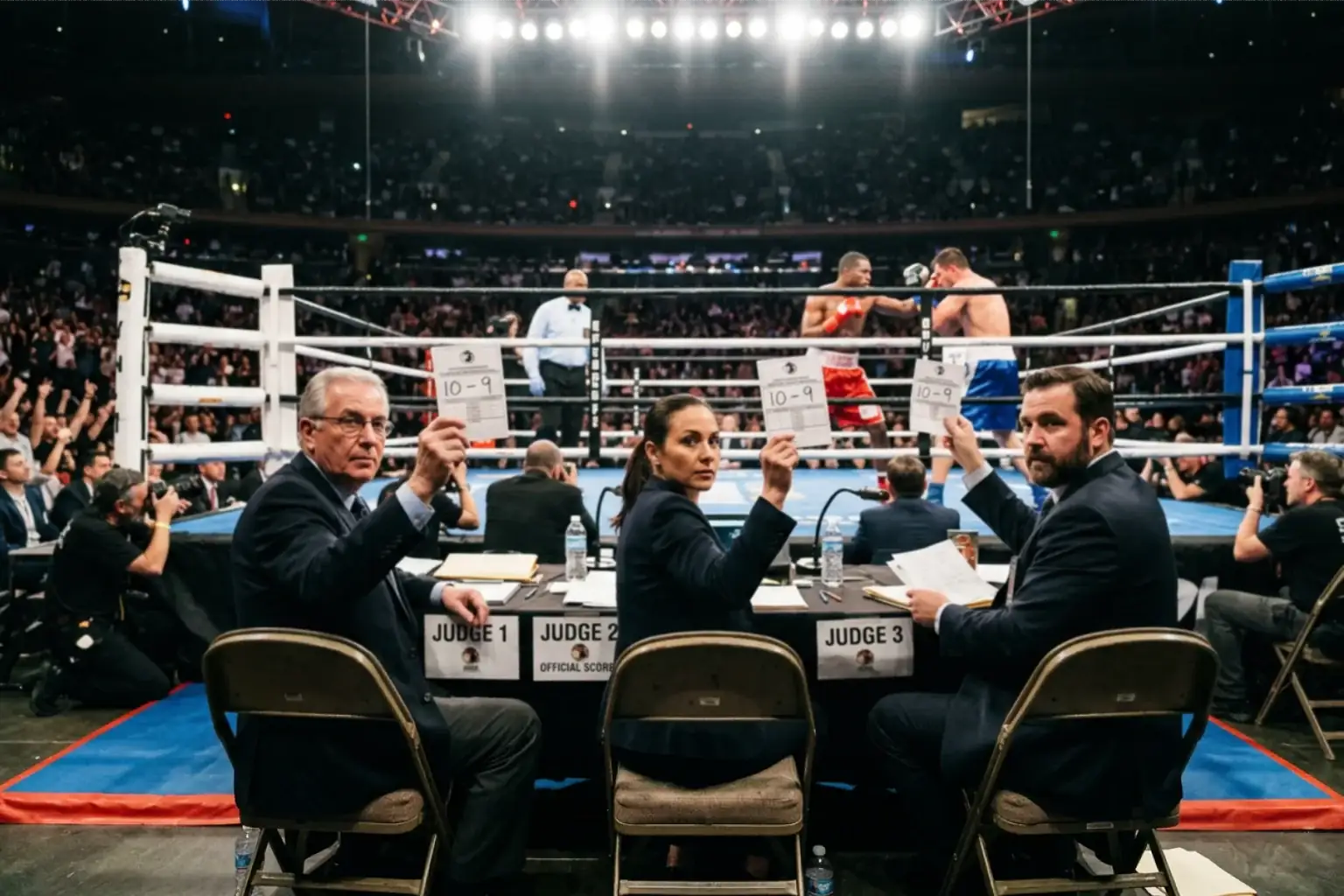
Boxing Integrity and Match-Fixing: UK Betting Regulations
 Available in US

Eddie Hearn made headlines recently when he publicly discussed the British Boxing Board of Control’s Regulation 30, explaining: “We all received an email from the Board recently, stating regulation 30, which is that any member, ie licence holder, cannot bet, advise anyone else to bet, permit to bet, on any event that they have any involvement with.” This rule exists for a reason. Boxing’s history includes uncomfortable chapters involving manipulation, and the sport’s authorities have learned that prevention requires vigilance.
As someone who has bet on boxing for nearly a decade, I approach this topic with directness. Integrity matters to everyone with genuine interest in the sport, whether their stake is emotional, financial, or both. A betting market functions only when outcomes reflect legitimate competition. When doubt creeps in, the entire ecosystem suffers – fighters’ reputations, promoters’ credibility, and bettors’ confidence in the fairness of what they are wagering on.
This article examines the regulatory framework protecting boxing integrity, explains how suspicious betting patterns get detected, and offers practical guidance on what bettors should watch for. Understanding these dynamics helps you bet more intelligently while appreciating the systems designed to keep competition honest.
BBBofC Regulation 30: Anti Match-Fixing Policies
The British Boxing Board of Control governs professional boxing in the United Kingdom, licensing fighters, trainers, managers, promoters, and officials. Regulation 30 specifically addresses gambling by these licence holders, establishing clear prohibitions designed to prevent conflicts of interest that could compromise competitive integrity.
The rule prohibits licence holders from betting on any event in which they have involvement. This means a fighter cannot bet on his own fight, obviously, but it extends further. A trainer cannot bet on fights involving any of his boxers. A promoter cannot bet on events he promotes. Even advising others to place specific bets or permitting others to bet on your behalf violates the regulation.
Hearn’s public discussion of Regulation 30 followed enforcement actions that reminded the industry of these obligations. The consequences for violations range from fines to licence suspensions to permanent revocation, depending on severity and circumstances. The Board maintains that boxing’s credibility depends on clear separation between those who determine outcomes and those who profit from predicting them.
Understanding this regulatory framework matters for bettors because it shapes the integrity environment in which you are wagering. Licensed professional bouts in the UK operate under these constraints, providing baseline assurance that the people directly involved in fights face serious consequences for attempting manipulation. Unlicensed events, exhibition matches, and international bouts may operate under different or no such constraints.
How Suspicious Betting Patterns Are Detected
Bookmakers invest significantly in monitoring betting patterns for signs of manipulation. Every bet you place becomes a data point in sophisticated surveillance systems designed to identify unusual activity. When patterns emerge that defy rational explanation, investigations begin.
The most obvious indicator involves odds movement that contradicts known information. If a fighter’s price suddenly shortens dramatically without any public news – no training camp updates, no injury reports, no significant money from known sharps – the movement itself raises questions. Bookmakers communicate with each other and with regulatory bodies when unexplained movements occur simultaneously across multiple platforms.
Geographic concentration also triggers scrutiny. If substantial money on a specific outcome originates from a particular region with connections to the fighters involved, monitoring intensifies. This does not mean every local favourite deserves suspicion, but concentrated betting from unusual sources warrants investigation.
Integrity units operated by sports governing bodies and gambling regulators maintain databases of suspicious activity. When patterns suggest potential manipulation, these bodies coordinate investigations that can involve law enforcement. Recent years have seen prosecutions resulting from betting-related corruption investigations in various sports, demonstrating that detection systems produce actionable intelligence.
What Bettors Should Watch For
I do not suggest that you become paranoid about every fight on which you bet. The vast majority of boxing matches involve legitimate competition between athletes genuinely trying to win. However, maintaining awareness of factors that historically correlate with integrity concerns improves your handicapping and protects your bankroll.
Low-profile fights carry higher statistical risk than major events. A twelve-round championship bout broadcast to millions and scrutinised by thousands of experts presents different risk dynamics than an eight-rounder on a small-hall show where only a few hundred people watch. This does not mean small-hall boxing lacks integrity, but the deterrent effect of observation operates more powerfully when attention focuses intensely.
Unexplained line movements deserve attention. When you have done your handicapping, formed your opinion, and then watch the market move sharply against your position without any apparent news, ask yourself why. Sometimes sharp bettors simply see something you missed. Sometimes the explanation is more concerning. Caution in these situations protects your money regardless of the underlying cause.
Fighter behaviour can signal problems. Unusual passivity from a normally aggressive competitor, a champion who appears strangely unwilling to engage, or a dramatic collapse in performance that contradicts everything you know about the fighter – these observations should at minimum give you pause. They might reflect legitimate factors like injuries or emotional struggles, but they might reflect something else.
The fundamentals of boxing analysis remain your best protection. Deep understanding of fighters, styles, and matchups helps you distinguish between upsets that reflect legitimate competition and outcomes that strain credulity. Trust your knowledge while remaining open to the possibility that sometimes things are not what they appear.
Is match-fixing common in boxing?
Proven match-fixing cases are relatively rare in professional boxing, particularly at championship level where scrutiny is intense. However, the sport’s history includes documented manipulation, and lower-profile events face less monitoring. Regulatory frameworks like BBBofC Regulation 30 exist specifically to deter and detect integrity violations.
What happens if I bet on a fixed fight?
If you bet on a fight that is later determined to have been fixed, your bet typically stands unless the bookmaker voids the market entirely. Bettors who were unaware of manipulation generally keep winnings or absorb losses as normal. However, betting with knowledge of a fix constitutes criminal conspiracy and carries serious legal consequences.
Betting With Eyes Open
The integrity frameworks governing UK boxing provide meaningful protection for bettors. Regulation 30 establishes clear boundaries for industry participants. Monitoring systems detect anomalies that might indicate manipulation. Enforcement actions demonstrate that violations carry consequences. None of this guarantees perfect integrity, but it creates an environment substantially safer than unregulated alternatives.
Your role as a bettor involves engaging thoughtfully with this environment. Bet on events where regulatory oversight applies. Pay attention to market movements that defy explanation. Trust your analysis of fighter capability, and treat dramatic departures from expected performance as information worth considering. These habits protect your interests while supporting the broader ecosystem that makes profitable boxing betting possible.
I have never knowingly bet on a manipulated fight, and I hope that remains true for my entire betting career. The practices I have described here reduce the probability of unwittingly participating in corruption while improving your general handicapping approach. Integrity and profitability align: both depend on outcomes that reflect genuine competition between prepared athletes.
Created by the ”box bet” editorial team.