Heavyweight Boxing Betting: Division Odds and Fighter Matchups
 Available in US
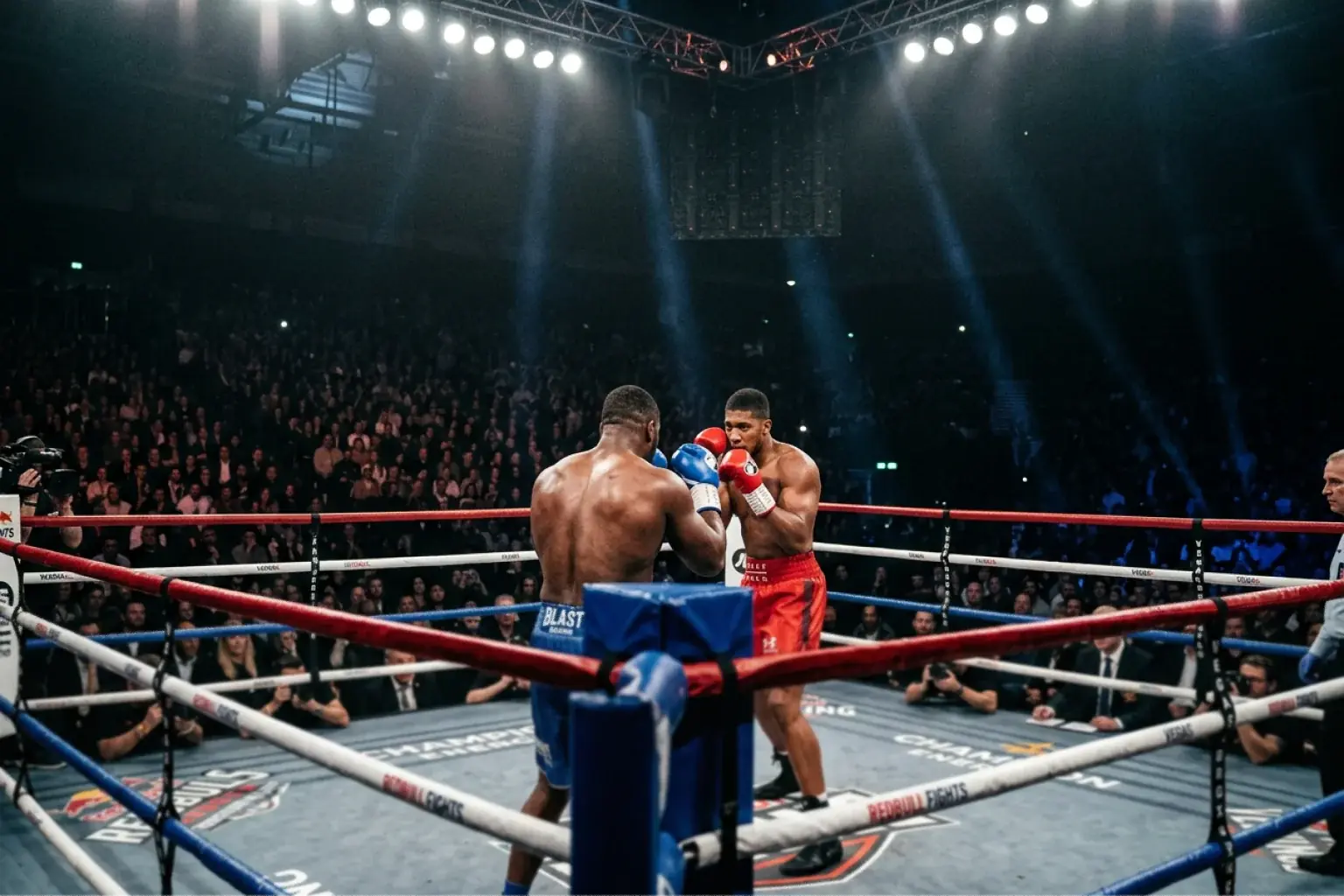
I still remember where I was when Anthony Joshua landed that thunderous uppercut on Wladimir Klitschko back in 2017. Not just because it was one of the greatest heavyweight fights in modern history, but because that single bout generated approximately £20 million in bets from British punters alone. That night crystallised something I had suspected for years: heavyweight boxing sits in a category of its own when it comes to betting interest and opportunity.
There is something primal about watching two giants trade leather in the ring. The division has always commanded premium attention from both casual viewers and serious bettors, and the numbers reflect this obsession. When Tyson Fury and Anthony Joshua finally meet in what promoters are billing as a £200 million-plus event, the betting handle will dwarf anything we have seen before in British boxing. Fury alone has earned roughly £362.7 million across his career, averaging around £147,559 for every accurate punch he has landed. That kind of money attracts eyeballs, and eyeballs attract betting markets.
But here is the thing most casual bettors miss: heavyweight boxing operates by different rules than the lighter divisions. The margin for error shrinks dramatically when both fighters carry genuine one-punch knockout power. A single moment of carelessness can render your pre-fight analysis worthless. Understanding how to navigate this volatility separates profitable heavyweight bettors from those who simply enjoy the spectacle.
Heavyweight Betting Markets: Power Stats and Stoppage Rates
Picture this: you are at a pub on a Saturday night, and a heavyweight title fight comes on the screen. Everyone stops talking. Nobody does that for a featherweight bout, no matter how technically brilliant it might be. This cultural phenomenon translates directly into betting behaviour.
The heavyweight division benefits from something the marketing people call “casual crossover appeal.” Your uncle who has not watched boxing since Mike Tyson was in his prime will still tune in for a Fury fight. These occasional viewers do not typically research fighter statistics or analyse training camp footage. They bet with their hearts, backing names they recognise or fighters from their home nation. This creates inefficiencies in the market that informed bettors can exploit.
Media coverage amplifies everything in the heavyweight ranks. When Joshua fights, it makes the front pages of mainstream newspapers. When a super-flyweight champion defends their title, it barely registers outside specialist publications. More coverage means more public money flowing into the betting markets, and public money tends to move predictably. Bookmakers know this, which is why they offer deeper markets and more prop bets on heavyweight cards than any other division.
Simon Jordan put it bluntly when discussing the anticipated Fury versus Joshua clash: “Not particularly. It’s the battle of the losers in terms of both of them are coming off the back of defeats. They no longer have the prestige they had before.” Yet despite this assessment, the fight will still command unprecedented betting interest. Name recognition trumps recent form in the public imagination, and that disconnect creates opportunities.
I have found that heavyweight events also attract what I call “event bettors” – people who might place one or two wagers per year, always on the biggest fights. They approach betting as entertainment rather than investment, which means they are less price-sensitive and more prone to backing favourites regardless of value. Understanding this dynamic helps you position yourself on the other side of soft money.
The One-Punch Reality: How Power Shapes Markets
Last year I watched a friend lose what he considered a certain bet when a massive favourite got caught cold in the second round. He had done his research, analysed the styles, checked the training camp reports. None of it mattered when a single overhand right connected flush. This is the fundamental truth of heavyweight boxing that every bettor must internalise.
The knockout rates in the heavyweight division dwarf those in lighter weight classes. When you consider that Billy Bird holds the all-time record with 139 knockouts across 356 professional bouts, and that modern heavyweights routinely carry similar finishing power relative to their competition, the statistical landscape shifts dramatically. A welterweight with a 60 percent knockout ratio might land three or four clean shots without ending the fight. A heavyweight lands one good punch, and the betting slip becomes worthless. Because of the immense power in this division, exploring knockdown betting markets often provides better value than standard moneyline wagers.
This volatility cuts both ways for bettors. Method of victory markets in the heavyweight division carry significantly more value than in other weight classes because the knockout remains a live option for both fighters throughout the contest. When Gervonta Davis boasts a 90.3 percent knockout rate at lightweight, he represents an extreme outlier. At heavyweight, stopping power is closer to the norm than the exception.
Bookmakers factor this unpredictability into their pricing. You will notice that odds on heavyweight underdogs tend to be less extreme than in divisions where the technical gap between fighters matters more. A ten-to-one underdog at welterweight might drift to twelve-to-one by fight time as money comes in on the favourite. A ten-to-one underdog at heavyweight often shortens because smart money recognises the puncher’s chance phenomenon.
The round betting markets tell an interesting story as well. In lighter divisions, grouped round betting makes sense because stoppages follow more predictable patterns based on accumulation of damage. At heavyweight, exact round betting carries disproportionate variance. I have largely moved away from exact round predictions in heavyweight bouts unless I have specific intelligence about a fighter’s stamina issues or tendency to fade at particular points.
Heavyweight Betting Strategies That Actually Work
After nine years of analysing heavyweight markets, I have settled on a few principles that consistently outperform random selection. None of them are revolutionary, but applied with discipline, they generate steady returns in a division famous for chaos.
First, respect the underdog. The casual money flooding heavyweight events almost always backs the bigger name, which means value frequently exists on the other side. I am not suggesting you blindly bet against favourites, but I am suggesting you give serious consideration to any underdog trading above six-to-one who possesses genuine power. The arithmetic works differently when both fighters can end matters with a single punch. Run your own probability estimates, and if you think a fighter has more than a twelve percent chance of winning, anything above eight-to-one represents theoretical value.
Second, pay attention to activity levels and ring rust. Heavyweights fight less frequently than smaller fighters, partly due to the physical demands and partly due to promotional complexity at the top level. A champion might defend twice per year, sometimes less. This inactivity creates legitimate questions about timing, sharpness, and conditioning. Tyson Fury’s guaranteed £18.8 million for his April 2026 bout with Makhmudov comes after an extended period away from competition. The layoff matters more at heavyweight because the margin for technical sloppiness is so unforgiving.
Third, study the jab. I know this sounds basic, but the fighters who control heavyweight bouts consistently are those who establish a consistent jab early. A fighter who cannot establish range typically cannot set up their power shots effectively. When handicapping a heavyweight matchup, I always ask which fighter has the better educated left hand. The answer correlates strongly with fight outcomes, particularly in bouts that go past the midway point.
The fundamentals of boxing betting apply here as everywhere else, but heavyweight markets reward patience above all. The best opportunities often appear in the days before a fight when public money has pushed favourites to unsustainable prices. Compare the latest heavyweight odds and exclusive offers directly on the leading boxing betting site. I rarely bet heavyweight futures or early lines. I wait, I watch the money move, and I strike when the market overreacts.
Consider also the method of victory angle. When two technical boxers meet at lightweight, a decision represents the most likely outcome. When two big punchers meet at heavyweight, the decision price often offers value precisely because the public expects fireworks. Sometimes neither man lands the decisive blow, and twelve rounds pass without incident. These fights happen more often than the public believes, particularly in championship bouts where both fighters show respect for their opponent’s power.
Who is currently favoured in heavyweight boxing betting?
The heavyweight landscape shifts constantly, but heading into 2026, Oleksandr Usyk holds the undisputed championship and typically opens as favourite against most challengers. However, Tyson Fury and Anthony Joshua still command significant public support regardless of their recent results. Always check current odds before betting, as heavyweight markets move substantially.
Why are heavyweight boxing odds more volatile than other divisions?
Heavyweight odds fluctuate more because both fighters typically carry genuine knockout power. A single punch can end any heavyweight contest, which means the underdog always has a realistic path to victory. This ‘puncher’s chance’ factor keeps odds tighter than in technical divisions where skill gaps translate more reliably to outcomes.
Finding Your Edge in the Glamour Division
The heavyweight division will always attract the biggest audiences and the most betting interest. That reality creates both opportunity and danger for serious bettors. The casual money inflating favourite prices can be exploited, but the inherent unpredictability of big men trading punches can humble even the most prepared analyst.
My approach has evolved toward selectivity. I do not bet every heavyweight card, and I do not chase action for its own sake. When I identify a genuine edge – typically an underdog who brings power and has been overlooked due to a less glamorous record – I bet with conviction. When the market looks efficient, I watch without wagering. The heavyweight division rewards patience and punishes impulsiveness, much like the fighters themselves.
Written by the editors at box bet.